Dear James,
sorry, I have no spare, but I have one suggestion to you.
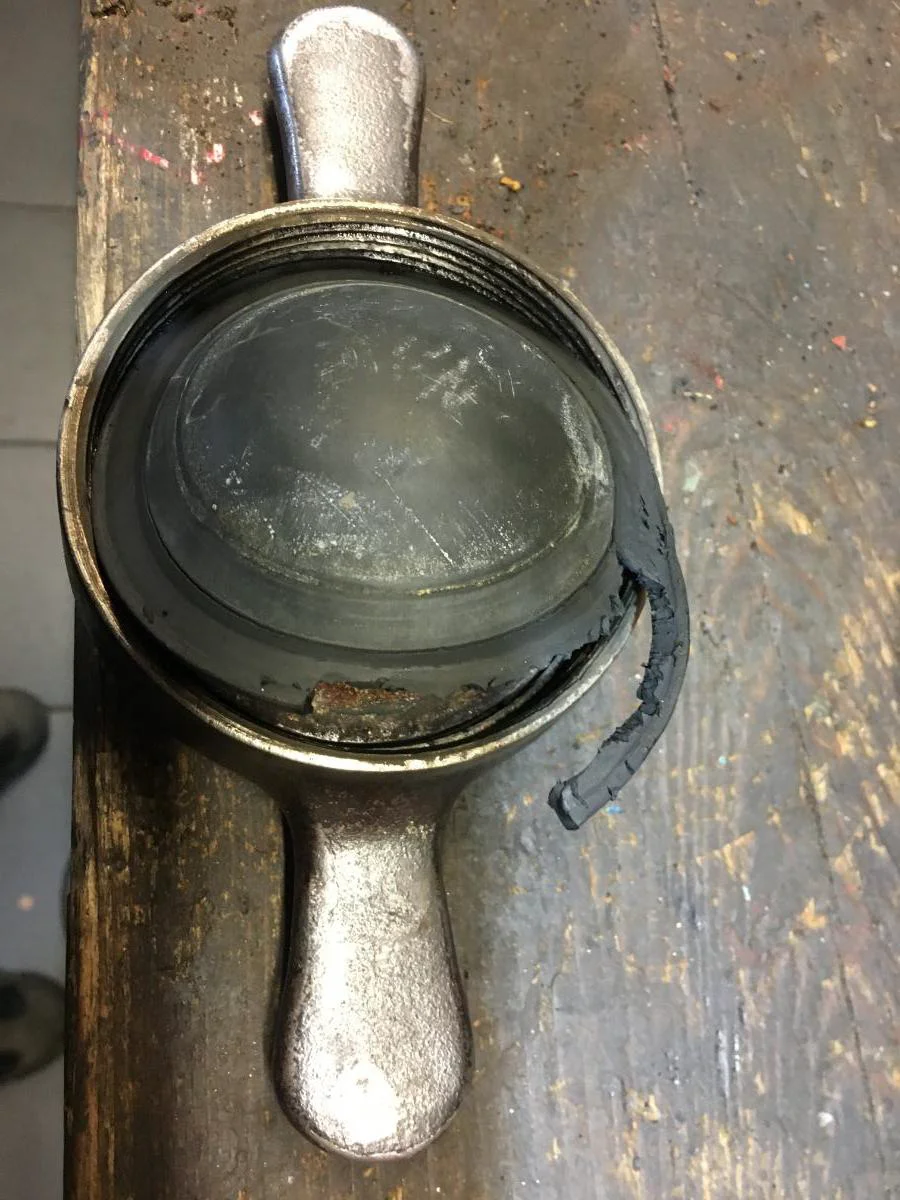
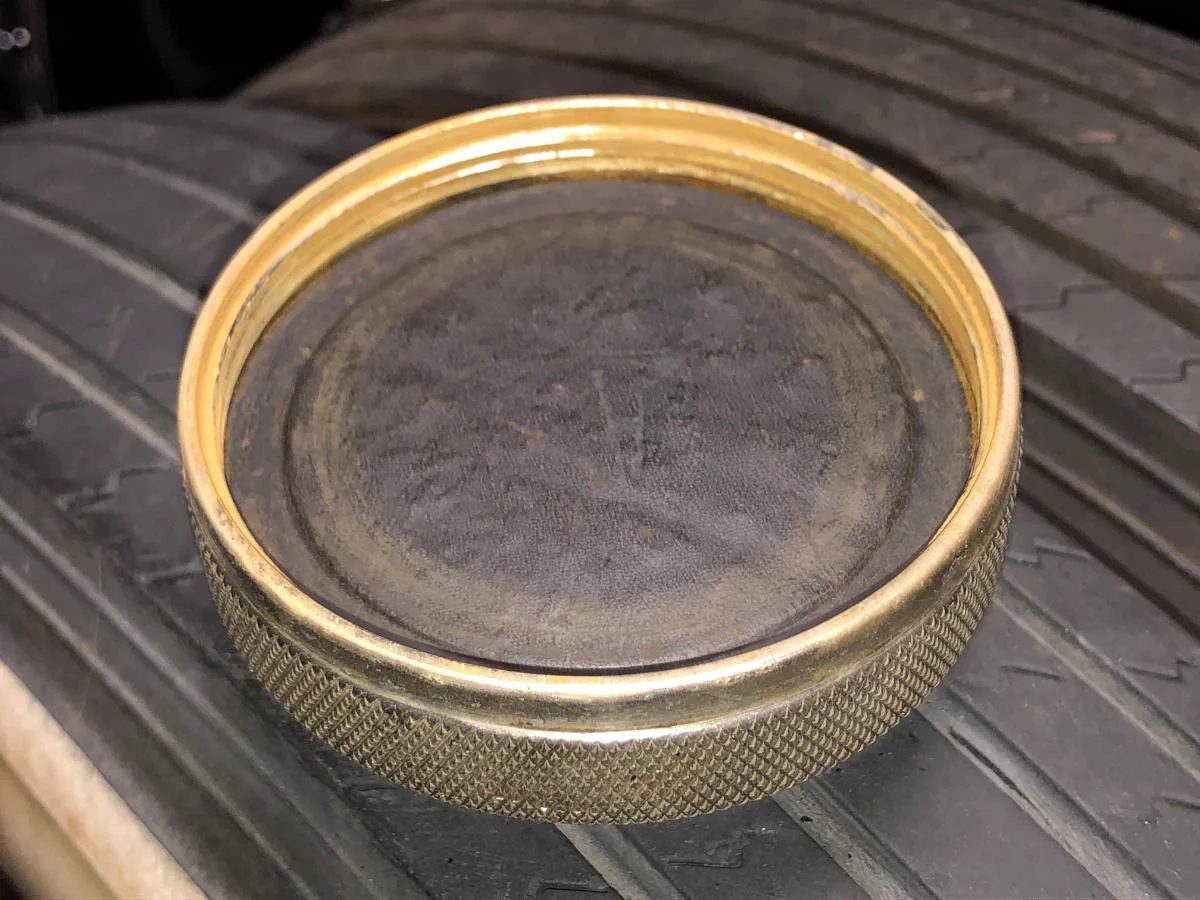
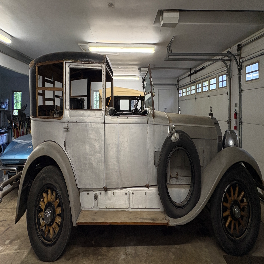
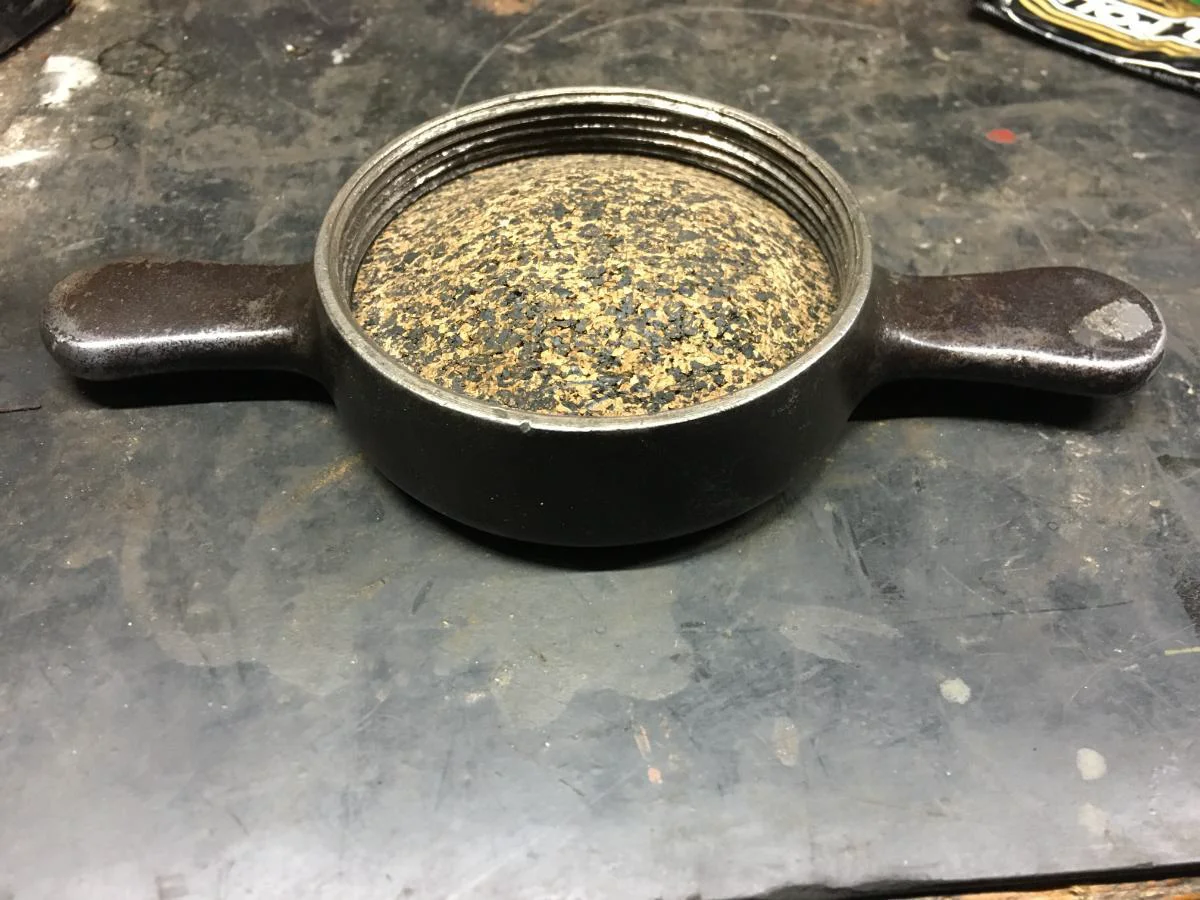
My 1921 Sedan has this cast part with the two ears, as originally attached to the car. Even with a good new leather seal (various types of fuel-resistant rubber and also the cork shown below didn't last long on my car), you have to tighten it well and apply quite a lot of force for opening. Sometimes it looks very silly when you stop at a fuel station and then you are not able to open the cap!
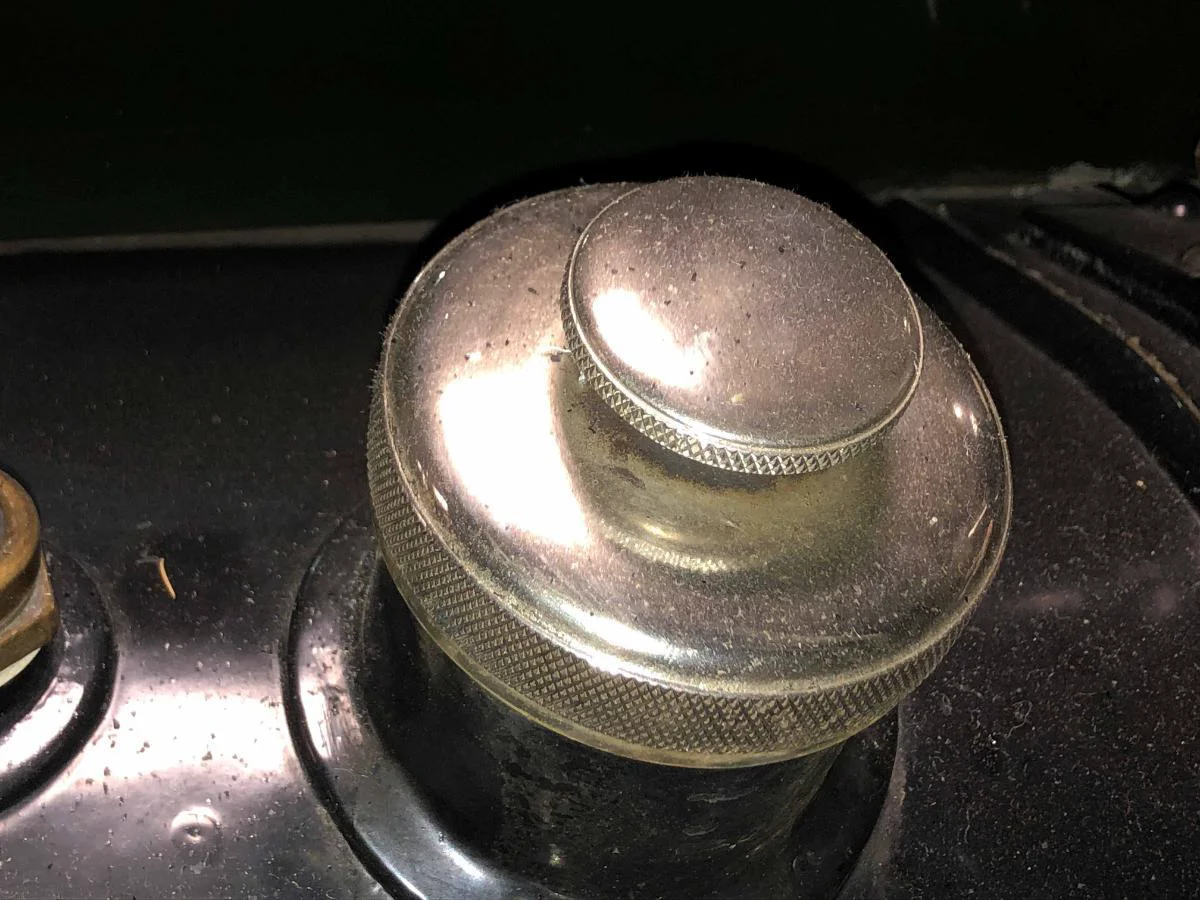
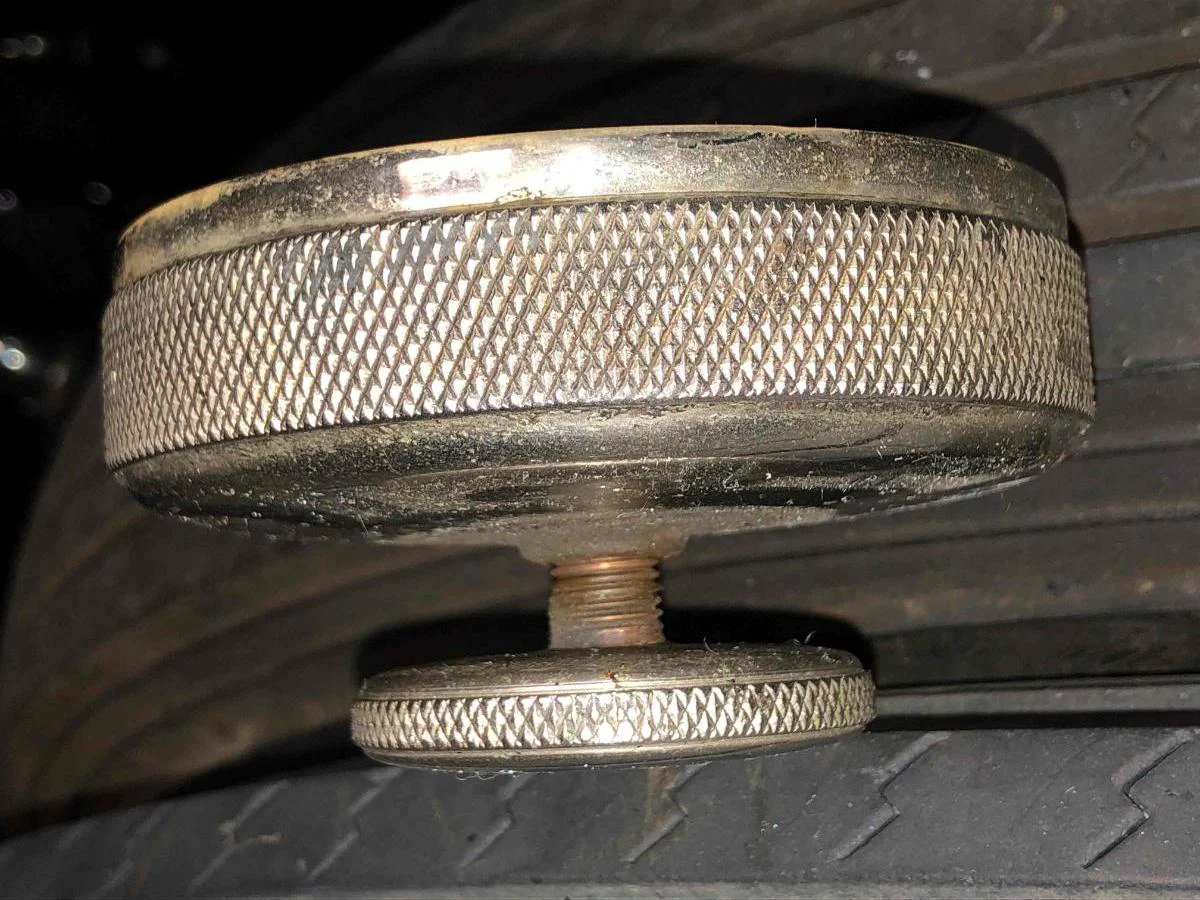
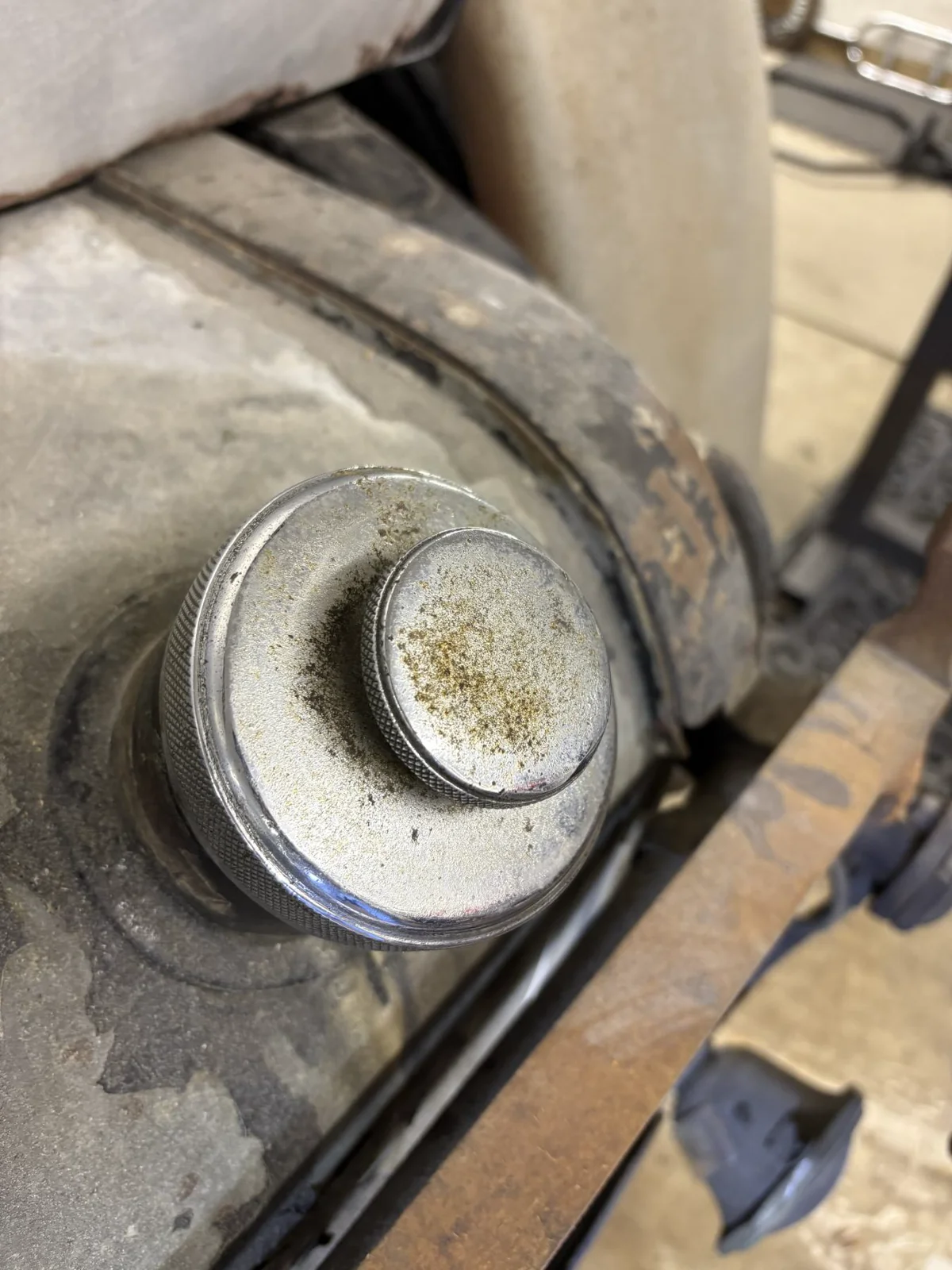
My 1917-model has a cap with a central knob which turns a threaded spindle. First you screw the cap on, then you turn the spindle. It's thread applies a great force to the gasket and can opened very easily. Much better than the original! I assume this was an aftermarket cap? Does anyone has an ad from this cap?

Ittenbacher FrankJan 16, 2025 My 1917-model has a cap with a central knob which turns a threaded spindle. First you screw the cap on, then you turn the spindle. It's thread applies a great force to the gasket and can opened very easily. Much better than the original! I assume this was an aftermarket cap? Does anyone has an ad from this cap?
@jrbartlett mine is identical to Franks. 1924 year.

That type of cap is to make sure that minimal tank pressure can be had to move fuel to the carburetor. I think this type cap is typical to Locomobile 48's and Pierce-Arrow automobiles of the same vintage.
Al
To join in the conversation, you must be a club member.
You’re welcome to read and like every post. Members can reply and start topics of their own.

.JPG.b7d7cf01b992abf99ee33d9f0daccfb6.webp)