

@Rendo

Here is the Bonham’s sale of the car in 2013:
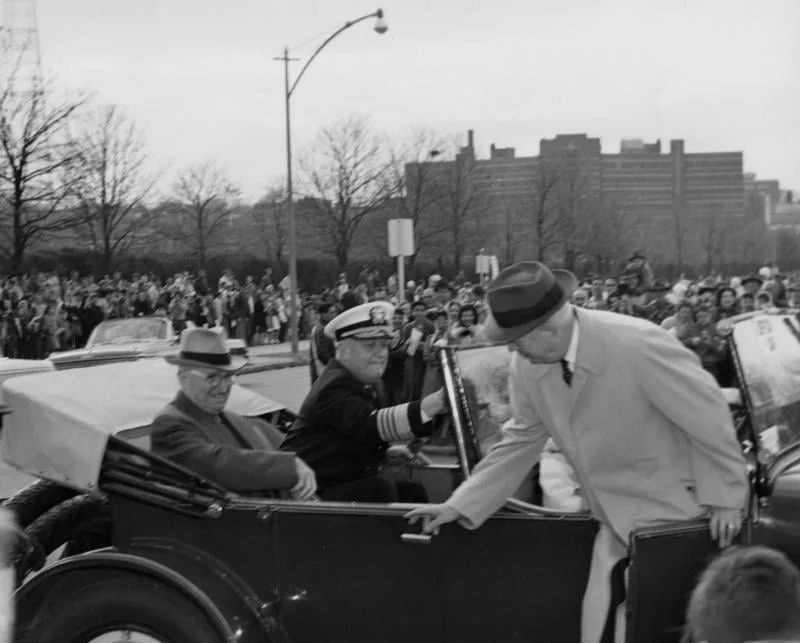
I wish it were me. I missed the auction but previously saw this when part of the Larz Anderson collection in MA. It supposedly was Gen. Pershing's. I can't find documentation and the U. S. Army has still not answered my FOIA request from 4 years ago - but it seems to be commonly understood to be Pershing's. It is noted somewhere that he wanted an external handle on the rear doors so a chauffeur or aid could open it easily. What I don't know is whether he personally purchased it or whether it was part of a govt fleet which was later "given" to him on return to the US. It partook in the 50 year re-dedication of the WWI monument in Kansas City in 1961. It was chosen among other antiques, to represent, the cars that took part in the original celebration. The fact that Pershing had it probably stimulated the collector to use it since Pershing was one of 5 generals who originally dedicated the WWI monument. I believe he is the driver in the often published photo with President Truman in the back. This is a less often seen shot when he exits after approaching the monument. I can't find newsreel of him exiting the car but it must exist as numerous channels were rolling film. There is digitized film of him walking across the monument to be seated. Anyhow I'd be interested to know where it wound up but probably, like most, it's in a private collection.
The circle of Loco car guys is pretty tight………..if you live within that circle it will be easily located. Most owners tend to want privacy……and remain anonymous.

This so-called Pershing-car is car number 14760, engine number 11166, it was in a german museum until several years ago. I was in contact with the museums manager. He told me the car was sold some time before I called, maybe to England, but he was not 100% sure and was not able to find out more. Later I found this HCCA-report about the same car.
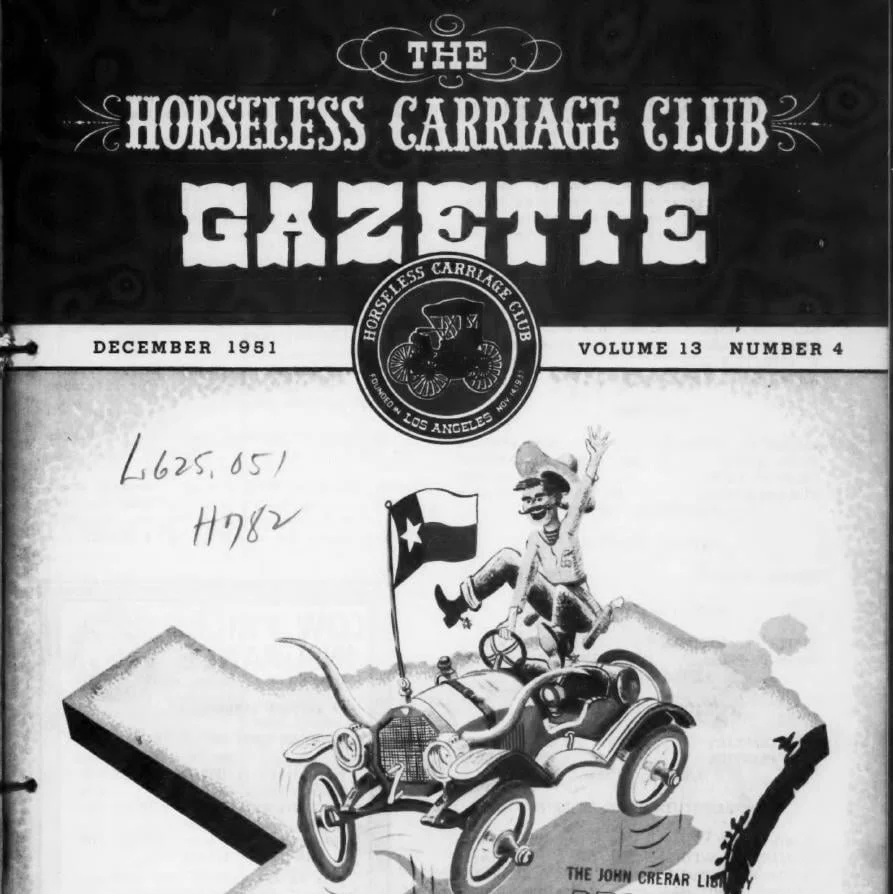
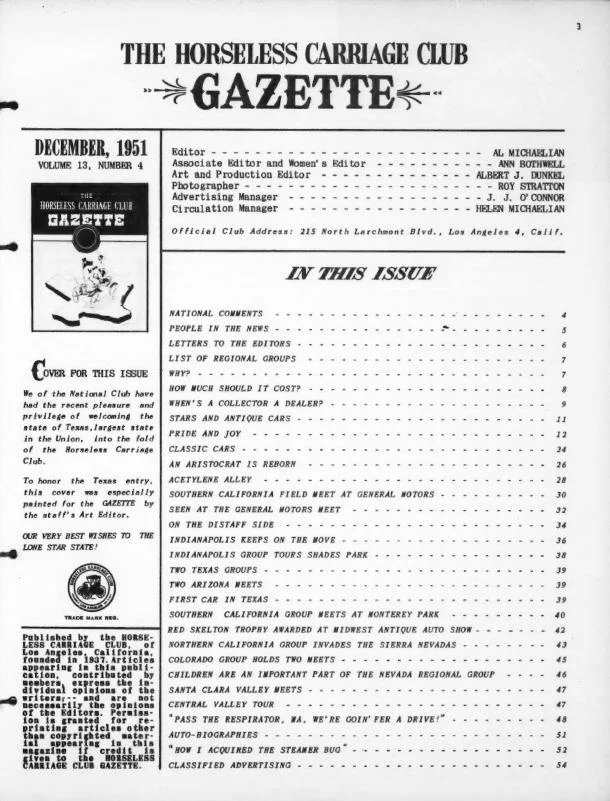
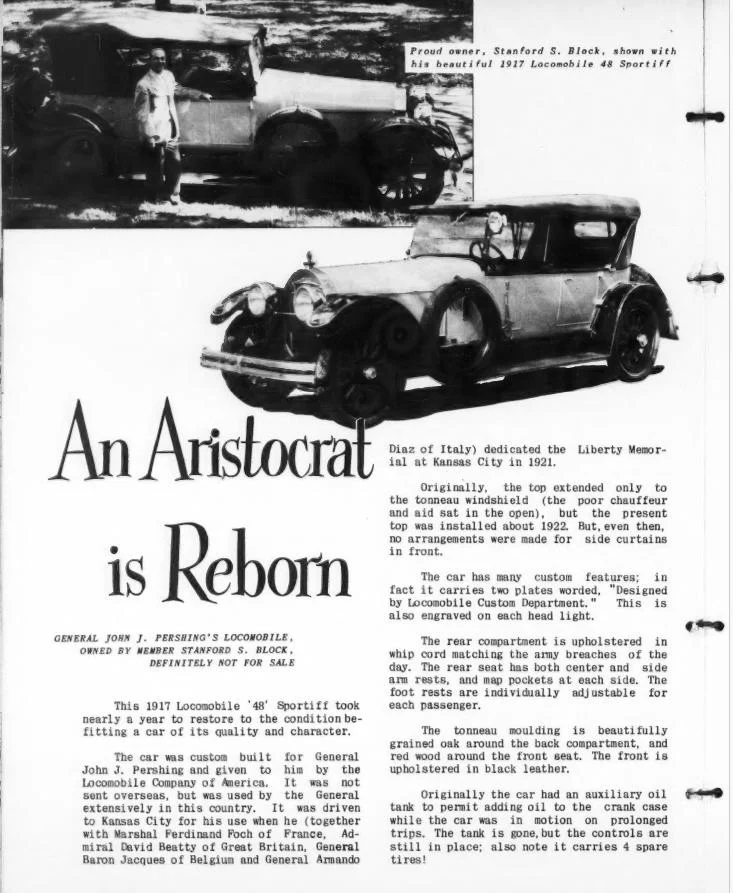
Ittenbacher FrankMay 24, 2026 This so-called Pershing-car is car number 14760, engine number 11166, it was in a german museum until several years ago. I was in contact with the museums manager. He told me the car was sold some time before I called, maybe to England, but he was not 100% sure and was not able to find out more. Later I found this HCCA-report about the same car.
Hi Frank,
I assume you have this:
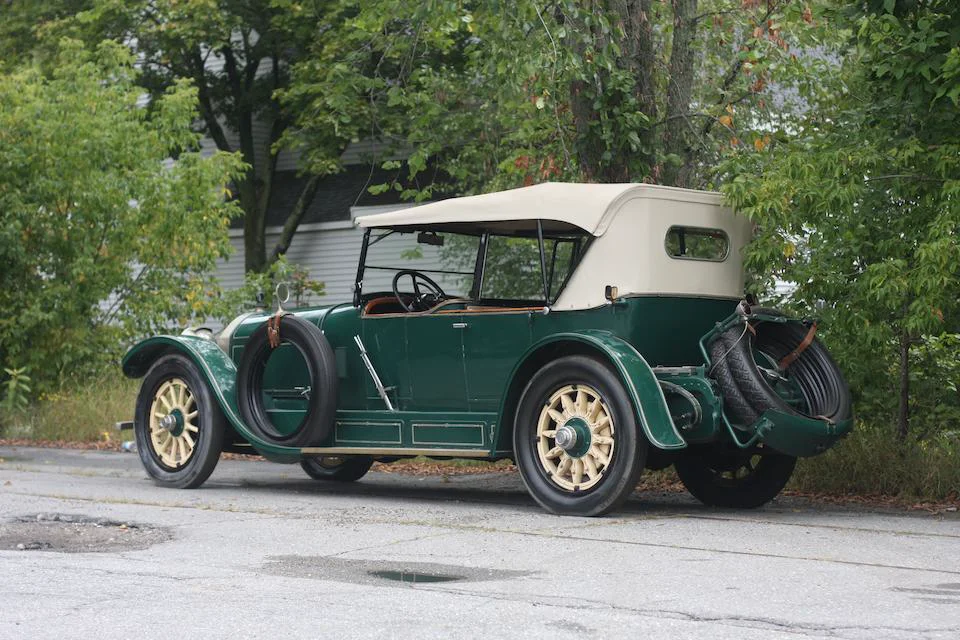
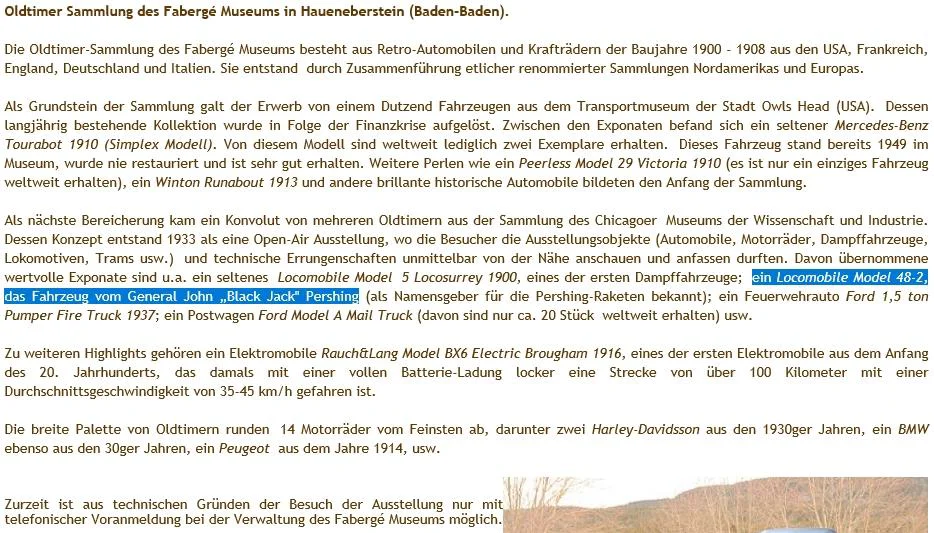
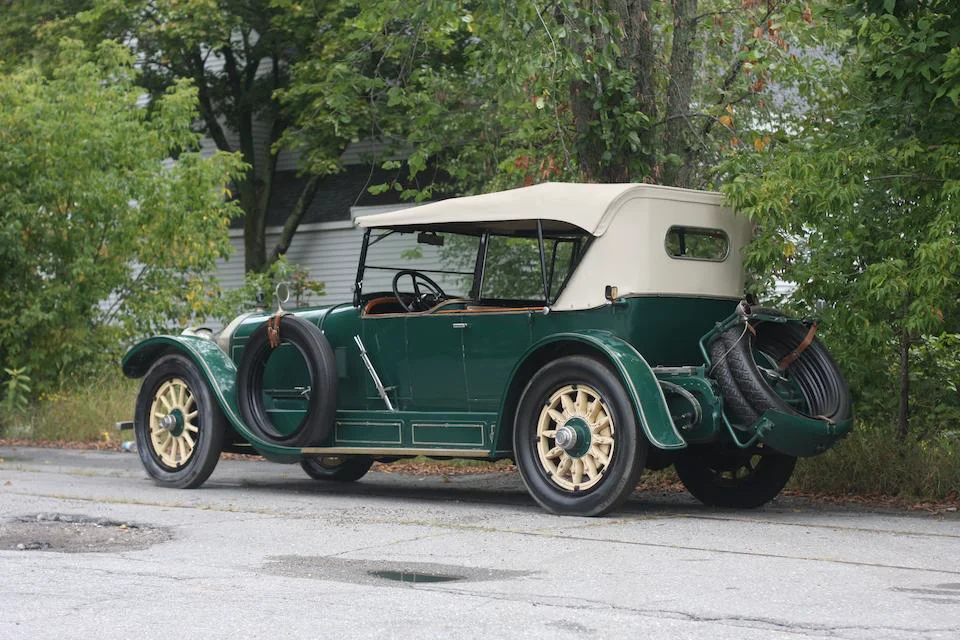
Sold by Bonhams for 88,000 at Simeone sale in 2013. Auction text as follows: One who appreciated the Locomobile's attributes was the commander of the American Expeditionary Force in Europe following America's entry into World War I, General John J. Pershing, better known by his nickname, "Black Jack." Pershing had experienced the value of automobile transportation during fluid military campaigns while pursuing Pancho Villa in Mexico and when named to head the A.E.F. looked for quality automobiles to serve him and his senior officers. Familiar with the British use of Rolls-Royce automobiles he looked for similar characteristics of power, reliability, comfort and size among American manufacturers. He found what he was looking for in the Locomobile Model 48 and had them supplied for his personal use as Commander of the A.E.F. This 1918 Locomobile Model 48 was built specifically for him by Locomobile in 1917 and was used after General Pershing returned to the United States following the Armistice. Its history with General Pershing was substantiated in the early 1980s by Pershing scholar L.J. Andrew Villalon. It has a one-off body that resembles the basic Sportif shape but has thicker rear doors that have only external door handles, reflecting its use with a chauffeur. The fenders have a more formal rounded top shape to them and it is fitted with mounts for a cape style top, although one is not now installed. The front windscreen is marked Healey & Co. New York and Healey was well known for producing a variety of cape top coachwork. It has all original Locomobile branded lights and instruments. Following Pershing's ownership it was sold or given to a personal friend from whom it was acquired by Kansas City based collector Stanford Block. Mr. Block had only a little cosmetic work done, mainly a repaint and some plating, to the sound, largely original and carefully preserved Locomobile. An unusual feature is the combination of leather front upholstery and khaki bedford cord in the rear, said to be special request for General Pershing who preferred the cloth for its resemblance to his military uniform. While in Mr. Block's hands the car toured extensively and was used to transport honored guests in Kansas City parades, including carrying former President Harry S. Truman in a 1961 Kansas City parade. From Bock it passed into the hands of the Larz Anderson Auto Museum – one of the truly great collections of automobiles in this country. Demonstrating preservation in its purest form, the Museum houses numerous cars which were Anderson family transport from new and have never been restored. It was acquired by the present owner five years ago, and has been little used. The restoration work done by Stanford Block is of high quality and has held up remarkably well. The upholstery is original and has some moth damage but is presentable and usable. There is some paint loss on the passenger side of the car. The connection with General Pershing preserved this Locomobile Model 48 much better than many of its contemporaries. It has always been treated with respect and carefully preserved in recognition of its connection with one of American's greatest fighting Generals. Today it is remarkably well preserved. Aside from some cosmetic attention and regular upkeep and maintenance on the driveline and chassis it has not been altered at all from the way it was delivered to General Pershing over 90 years ago. It is a striking car and would be truly unique with its cape top reproduced and installed. It is not often that an automobile with the highest standards of quality construction, coachwork, power and performance also is directly connected with a legendary public figure like Black Jack Pershing. Combined with the remarkable preservation of this Locomobile and the exceptional rarity of the marque and model General Pershing's 1918 Locomobile Model 48 is a remarkable opportunity for collectors to add a truly unique vehicle that will be an important addition to the most exceptional collections. It is important not only to the history of the automobile but also to the history of the United States, and its originality and history commend it as a particularly appropriate participant in the increasingly important Preservation classes.
I have 4 comments, in no particular order:
1 - I wonder how L. J. Andrew Villalon established provenance. I don't necessarily doubt it, it is simply that I have wondered about how Pershing had his hands on any particular vehicle and whether the lines were blurred about his "use" and/or purchase given his status and prestige. It is obviously very possible this was a special order, and that he paid for it, but for the record I am curious how that was shown.
2- It is interesting that the car was brought to the WWI monument in 1921 originally; that makes sense for efforts to bring it back for the anniversary ceremony and to have Truman ride in it. There were numerous other CCCA classics and antiques in the parade so I have wondered how Truman was paired with this.
3- I forgot that Larz-Anderson's charter was to keep family cars. In that case I now wonder how they kept this accessioned for so long and why they accepted it in the first place.
4- I felt the paint was nothing special when I last saw it at Larz-Anderson. That was many years ago and either it has been polished or my memory is wrong. I didn't feel it had a good looking shine at the time....
Thank you all for this information. I suspect that the body is a re-bodied Loco, but converted by the Locomobile Custom Body department. The rear door has a "kick-up" to clear the fender, certainly not a sportif. The emergency brake handle is outside of what is made to look like a driver door, certainly not functional with the outboard brake handle. The seat back is not like that on a sportif and the "gunwale" so to speak is clad in a light toned wood; also not sportif. Query: could it be a WWI town car limo converted to a new body after the conflict was over in 1918?
akMay 26, 2026 Thank you all for this information. I suspect that the body is a re-bodied Loco, but converted by the Locomobile Custom Body department. The rear door has a "kick-up" to clear the fender, certainly not a sportif. The emergency brake handle is outside of what is made to look like a driver door, certainly not functional with the outboard brake handle. The seat back is not like that on a sportif and the "gunwale" so to speak is clad in a light toned wood; also not sportif. Query: could it be a WWI town car limo converted to a new body after the conflict was over in 1918?
The outside emergency brake handle was pointed out to me by a friend this weekend. Is that a typical Loco feature? Don't remember seeing it on any other cars.

The 1920 Locomobile dealership album of many large photos mounted on linen that was created for the Manhattan dealer Emlen Spencer Hare - Hares Motors, does not show anything with the outside handle, nor to any of the numerous factory issued sales portfolios with separate plates. I have programs for the custom body salons in that era, no mention, and nothing I can find in copies of Autobody magazine.
I believe the reason is that the body is slightly narrower (and lower) and the brake handle needs to fall outside the body. Think Packard 734, style wise.
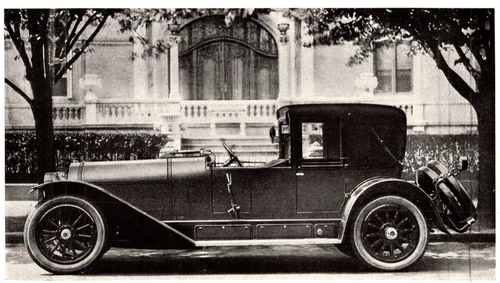
Perhaps the kind of body that first appeared on the donor chassis for that very sporty torpedo body once owned by Black Jack Pershing?
alsancleMay 26, 2026 The outside emergency brake handle was pointed out to me by a friend this weekend. Is that a typical Loco feature? Don't remember seeing it on any other cars.
To follow-up AJ's question I just came across this plate on-line which seems to be from their custom car promotional series. It shows an external brake. I admit I haven't seen it elsewhere but will continue to look....
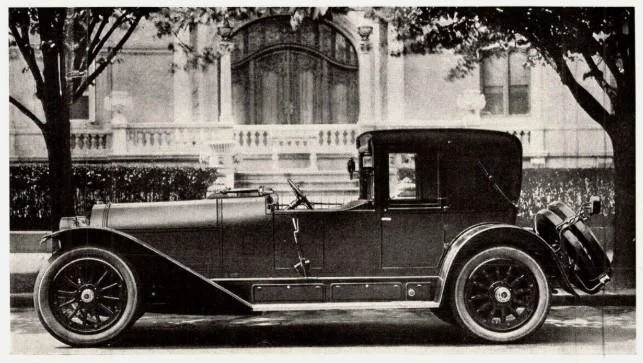

Locomobile certainly is a custom automobile! The flat top fenders (no notable or visible crown) suggests that this Locomobile is maybe a teens offering. The driver's side, left hand front door is non operational per the emergency brake handle on the outside. I have to admit, it looks a bit clumsy for the chauffeur to work the passenger rear door for the wealthy owner or dignatery then crawl across the front seat to get to the driver's position. But, I guess, that is ok as most riders would enter on the curbside (right side). I also noticed a rarity for Locomobile, is the fold down windshield assembly. Nice picture......
Al
Eight-page article with period photographs on Locomobile in issue #10 of Crankshaft magazine for more period factory photographs.
I may bring the hard bound large Locomobile showroom album for Hares Motors of NY City to Hershey with me for some good friends to view in person, all photos in that album are about 10 x 18 mounted on linen and were printed off glass plate negatives when new. NO it is not for sale , and no I am not a library .
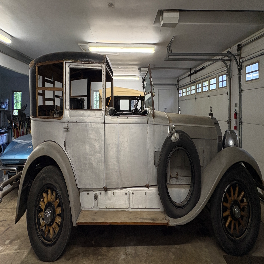
Let me work on it.
To join in the conversation, you must be a club member.
You’re welcome to read and like every post. Members can reply and start topics of their own.