

@Rendo
Brakes
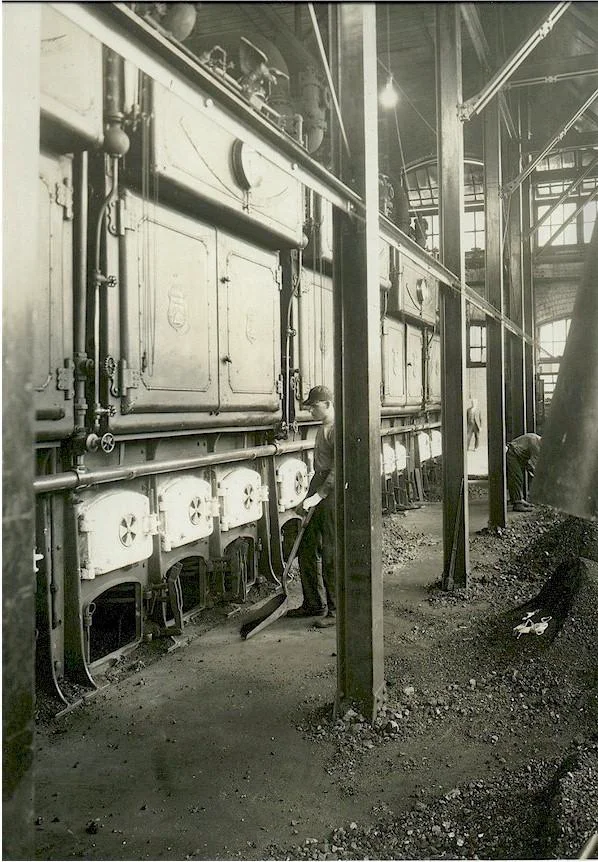
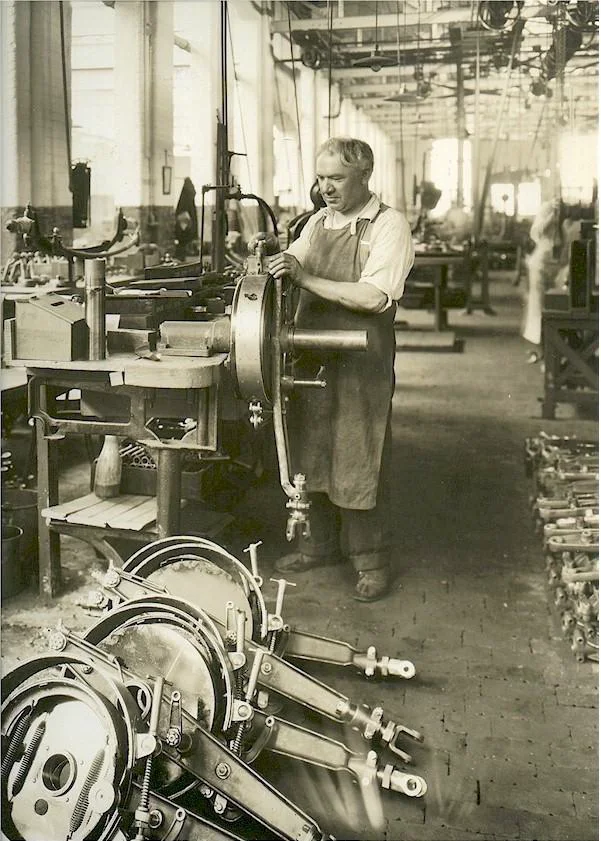
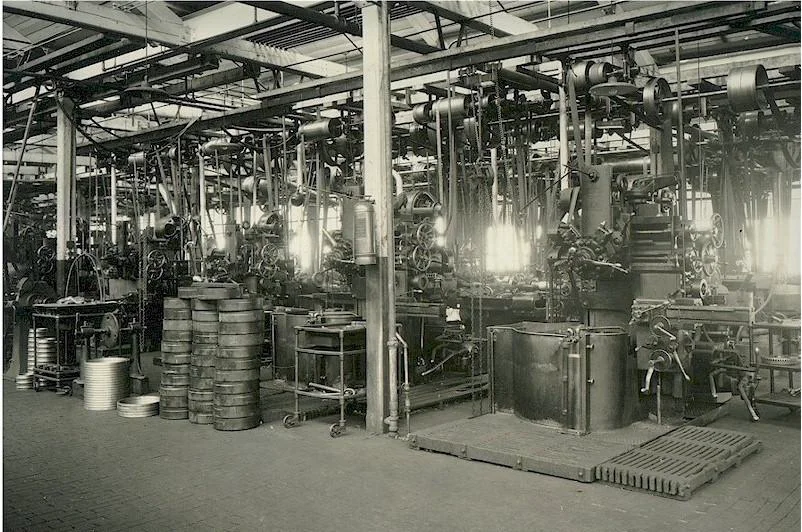

The coal fired power plant photo is great! Interestingly the city still had coal offloaded from the harbor on barge to run the CL&P electric power plant to supply the whole metro area right near that site until 2021.
Cam shafts
carburetion

akJul 6, 2026 carburetion
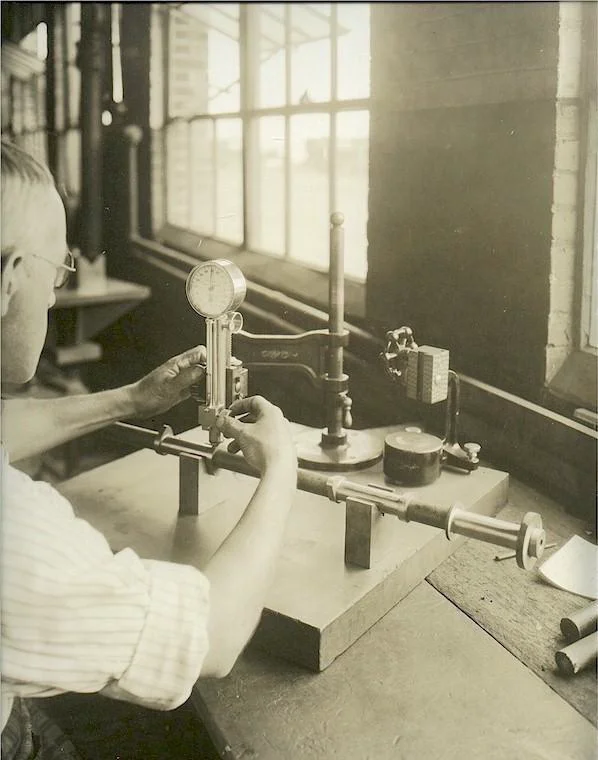
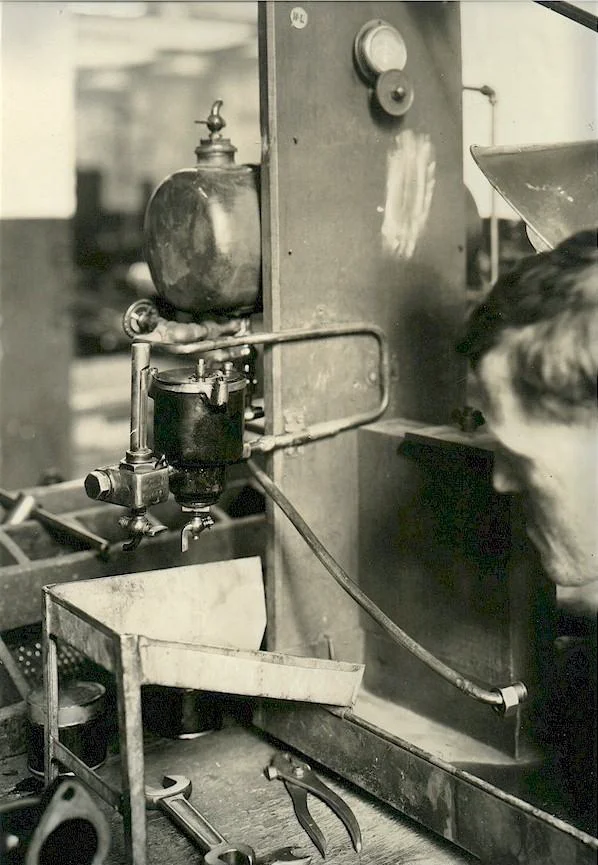
the first photo:
he is checking or adjusting the fuel level showing up in the glass indicator. When I did this, I had wished to have an idea as shown here, but I had to do try & error. I fond the best setting at 18mm below the bowl's upper edge. The visible bowl height is app. 60mm. I have the impression that this man used a lower setting.
Note the fuel pressure gauge attached to the plate. The indicator is in the middle, presumably at 2 on a dial from 0 to 4. I run at 1.5.
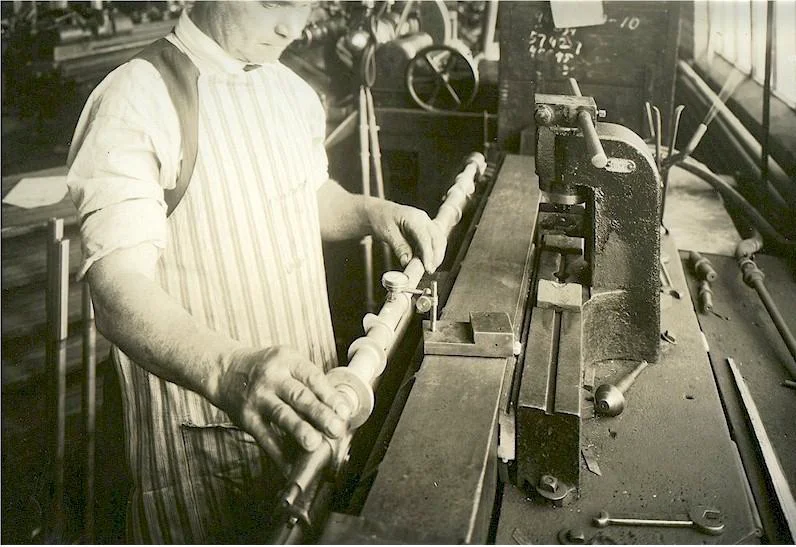
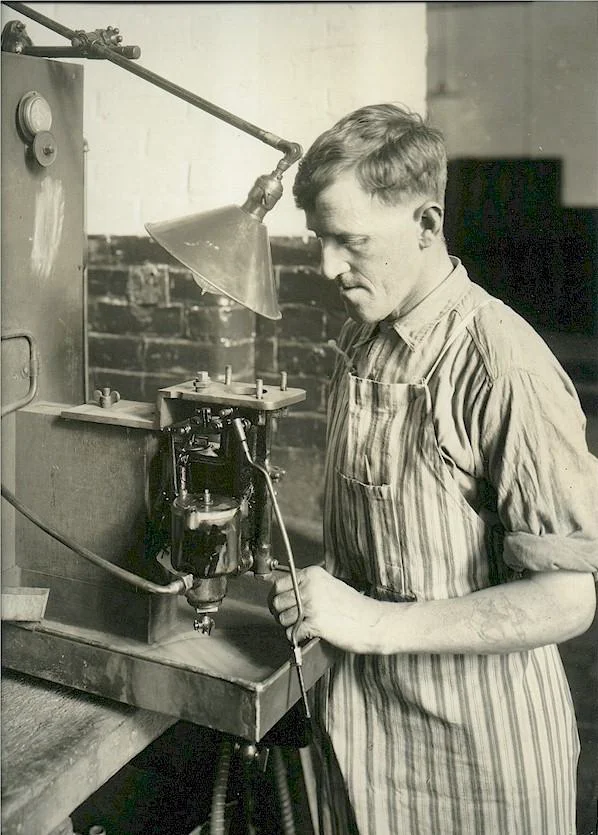
second photo:
what is he doing? adjusting the butterfly plate on the shaft? The accelerator pump action cannot be checked without vacuum.
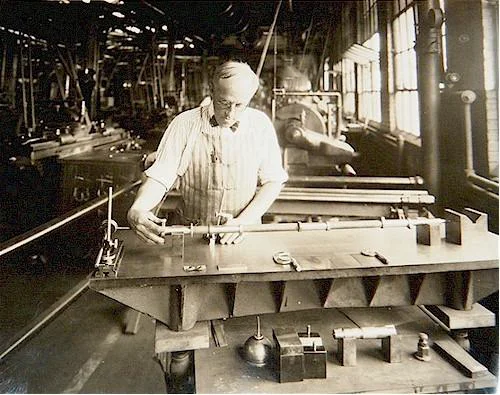
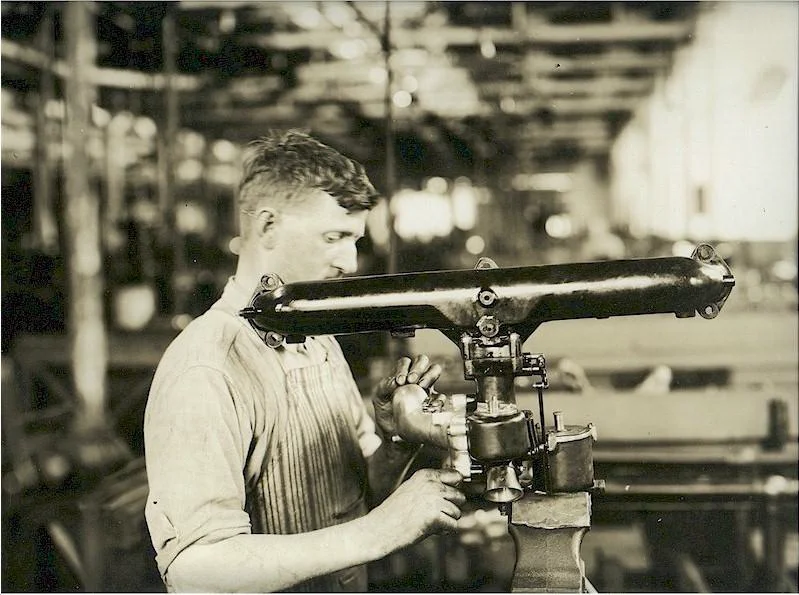
third photo:
mounting the inlet pipe. Note: this is the later version inlet manifold with water cooling, introduced app. 1921 with series 48-8.
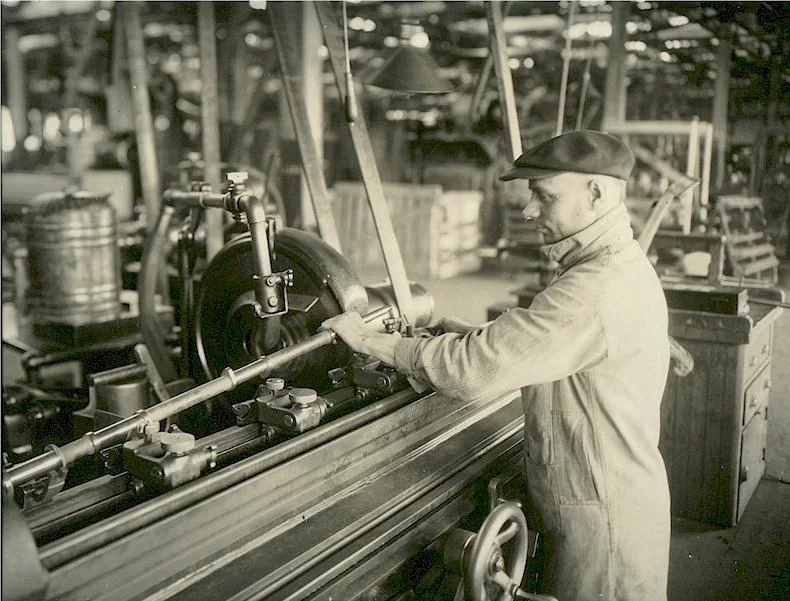
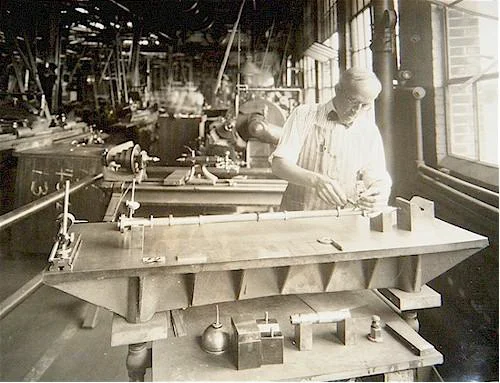
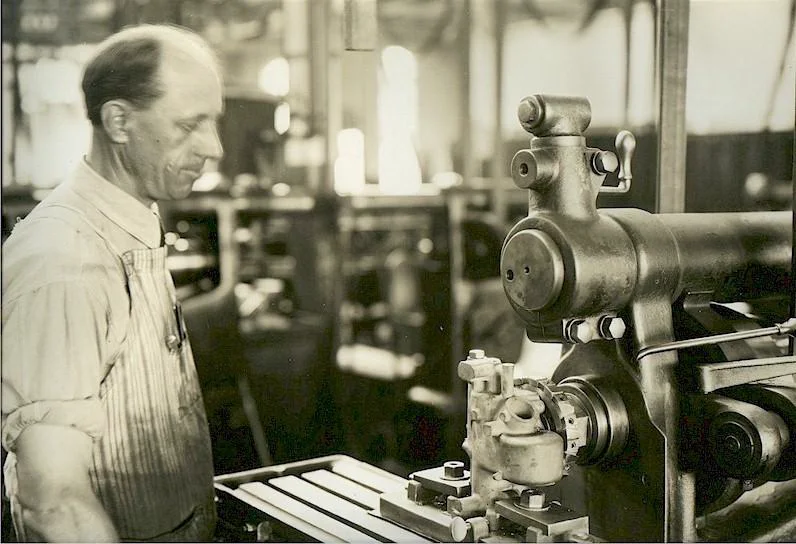
last photo: machining on the bronze housing. What a time-consuming process for a carburetor!
John, I love these photos, thanks a lot. Hope you have more to come! Best wishes!

Great great pictures!
Locomobile centerless grinding
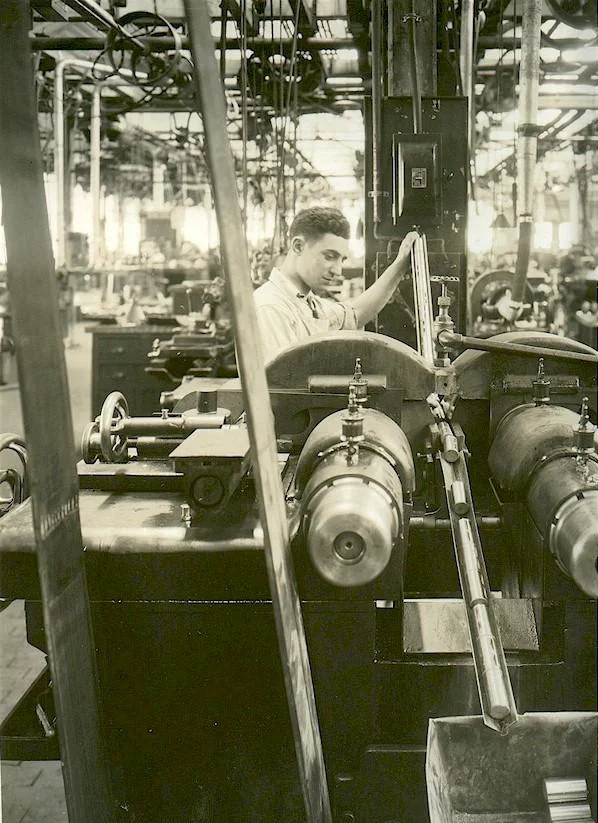
Locomobile chassis manufacturing
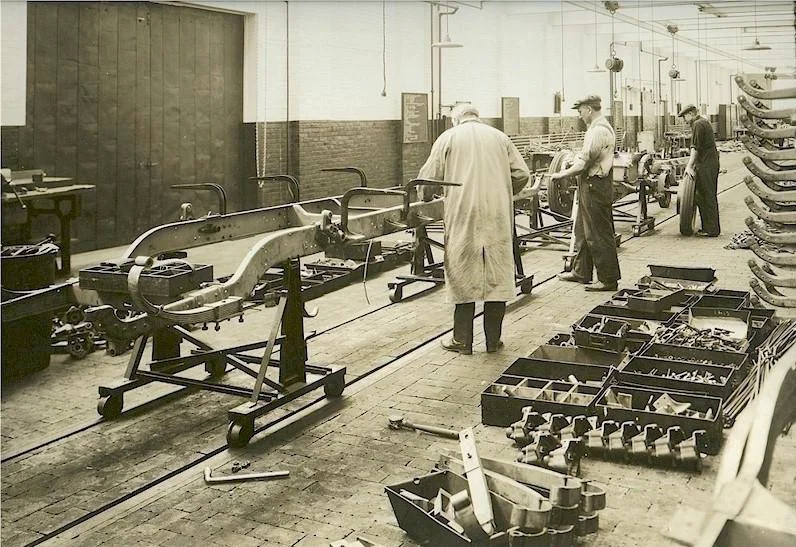
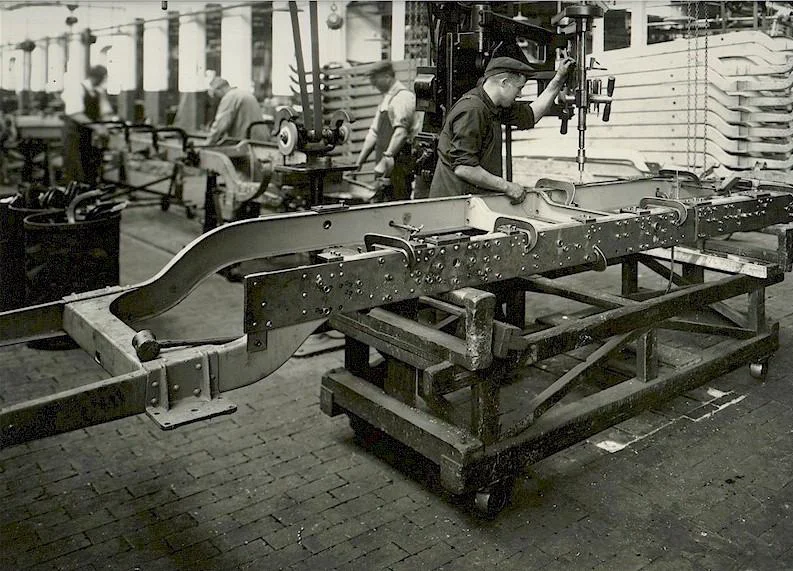
akJul 23, 2026 Locomobile chassis manufacturing
These photos are absolutely fascinating, thans a lot! Fixtures for drilling/reaming the main frame members, after the main parts like rear sping chairs have been riveted already. They assemble the frame upside down, then turn it around when the axles are pre-assembled already as shown in the background. I like to know why the brackets for the running boards appear so dark. Maybe they are specially coated for better protection agains corrosion?
Great photos, any date on them?
Thanks, Ben
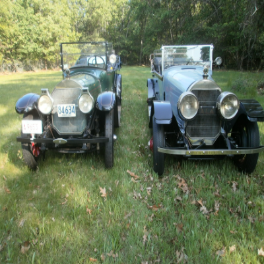
I would sure like to tour the Locomobile factory, while in full operation and put an order in for a new fully custom top of the line Locomobile 48.
Al
Loco 90Jul 24, 2026 Great photos, any date on them?
Thanks, Ben
They were sent to me in digital format from a friend some time ago and I lost them. I recently stumbled on them when erasing downloads. I will have to ask him where he got them.
John
Locomobile Chemical Lab
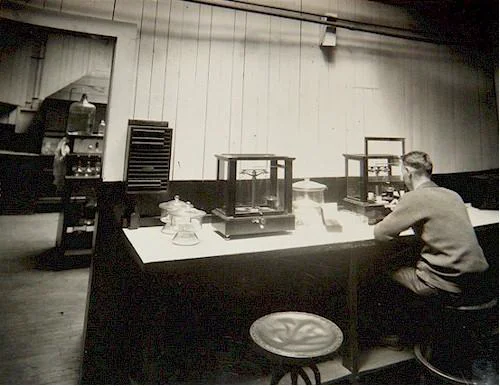
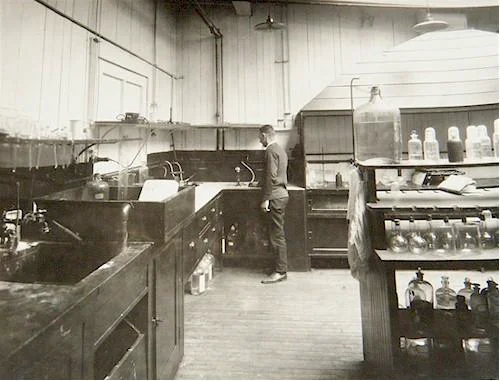

Can the title be changed so people know this is the LOCOMOBILE Factory in Bridgeport Ct?
Bob
Crankshaft
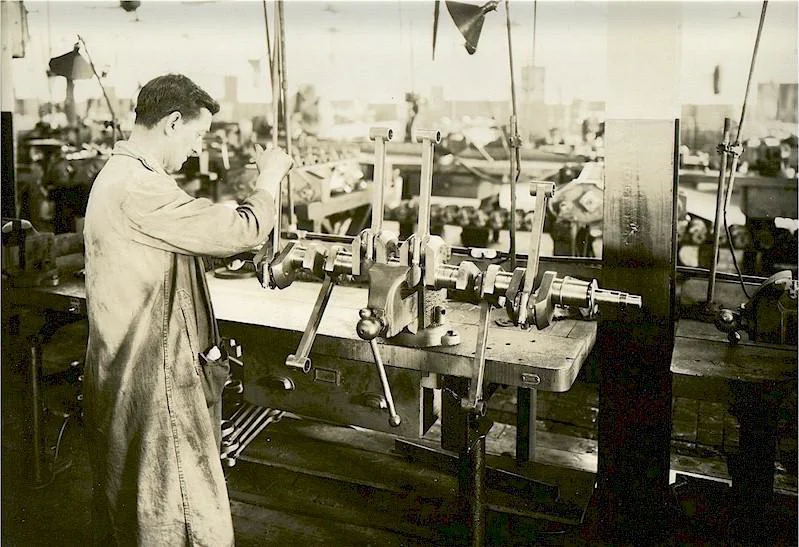
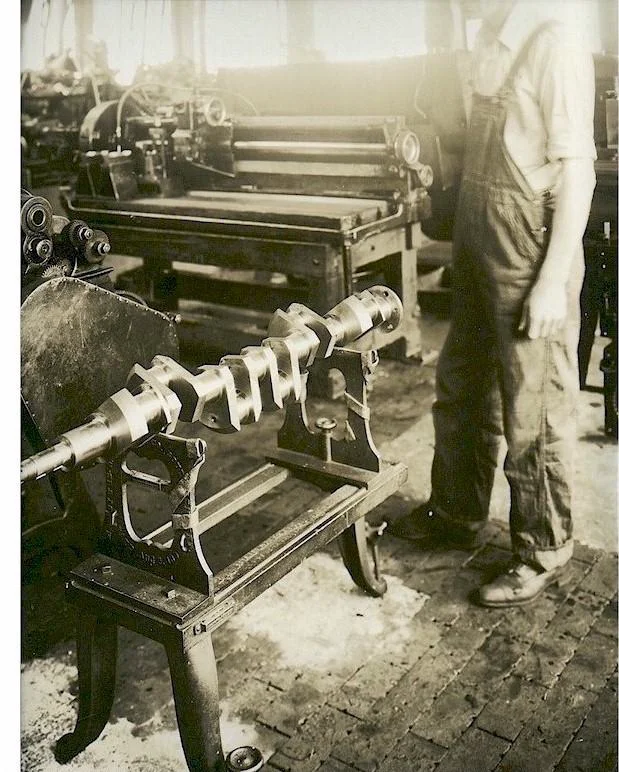
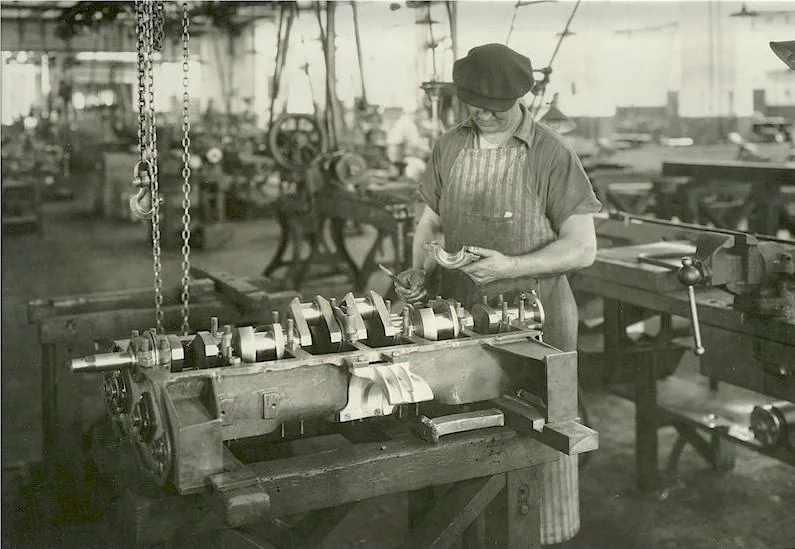
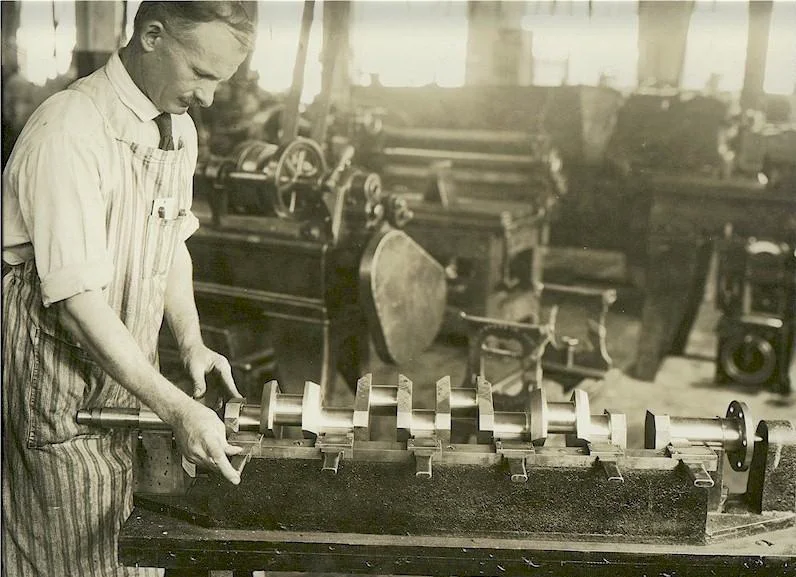
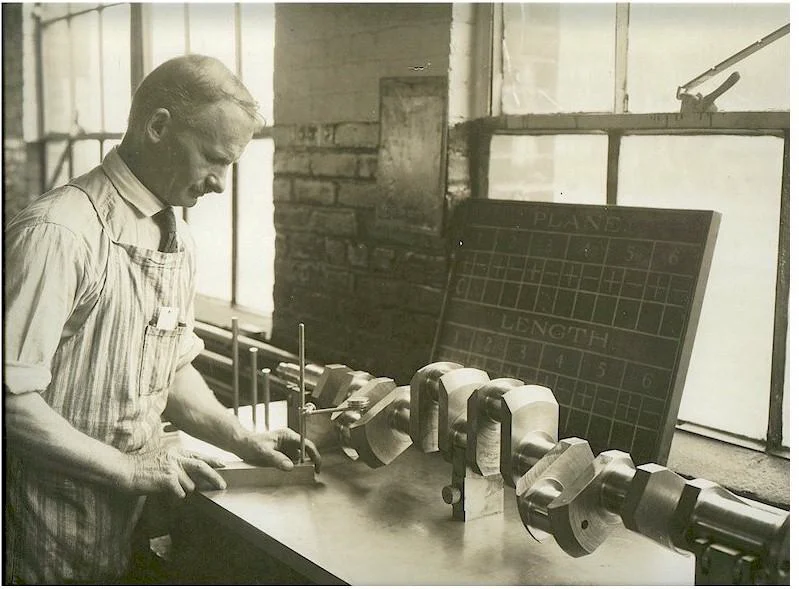
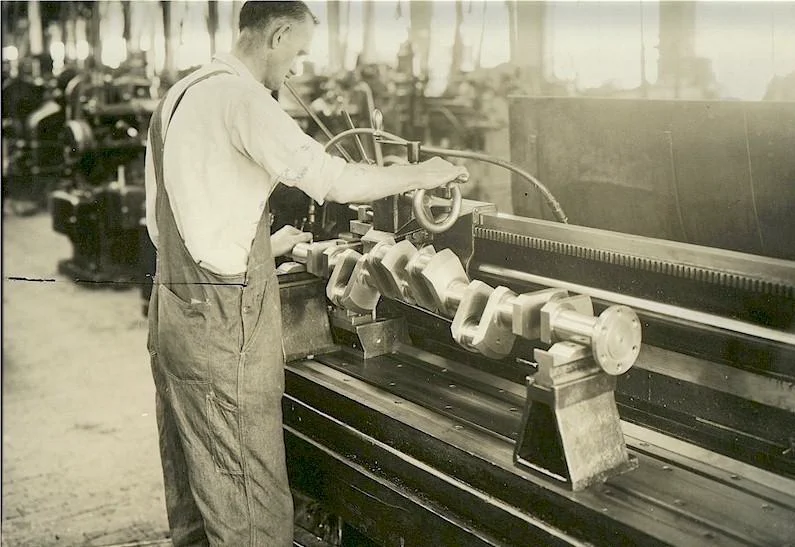
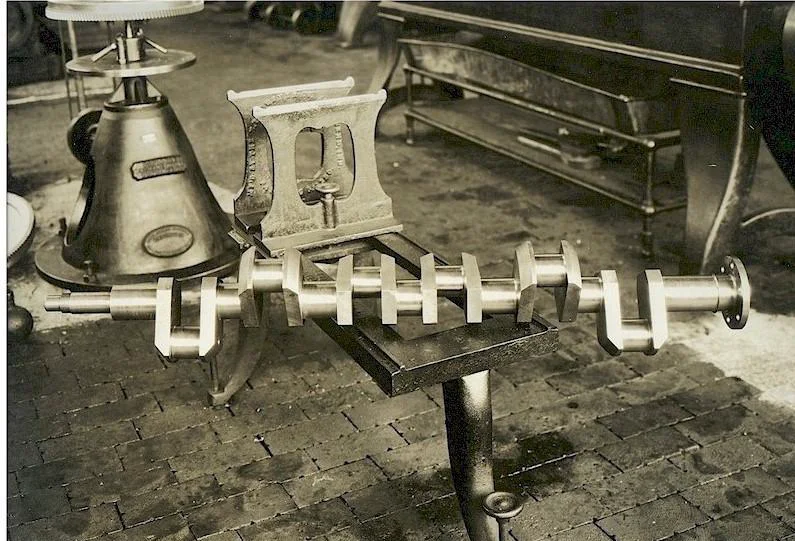
That is interesting that one of the workers is wearing a neck tie while working. I wonder if he would have been s supervisor, the picture taken for publicity?
Al
Seeing the 48 crankshaft out...,.that is one heavy chunk of steel. It is no wonder that Locomobile IS NOT known for breaking crankshafts. But the crankshaft is not the only part of the story. The manganese bronze crankcase is a huge contributor to minimizing the flex on the crank as the crankcase is very rigid and does not flex. Does anyone here have engineering information on how manganese bronze compares to nodular cast iron?
Al
Just looking at general tensile strength, nodular iron starts out at 60,000 psi, manganese bronze 110,000 psi. Specific alloys will vary.
BTW, nodular iron wasn’t invented until WW2, and it has a higher tensile than gray cast iron, so the contemporary difference would have been even more stark.
How does manganese bronze compare to the aluminum used for crankcases back in the day. I assume the strength factor was even greater.
Al
There were a lot of aluminum alloys being developed in the early 20th century, and I don’t what might have been used by a given maker at a given time, but pure aluminum is pretty wimpy, at around 13,000 psi
To join in the conversation, you must be a club member.
You’re welcome to read and like every post. Members can reply and start topics of their own.