

@Loco-Boattail

Steve, It appears that the rear axles you are sorting out certainly have had some rugged use. I am not familiar with the differences you mention however I suppose the axles with lighter parts must be separated by age or is it possible that you have a mixture of 38 parts? Good for you to sort out and restore back to good functional condition these parts. Could you post a picture of the stress fracture you found?
Al
I will.
If you look at the 3rd picture from the top closely you can see the broken axle and the other 3 axles still slid into the center hub as compared to the 1 piece heavier duty style to it's right.
As for vintage it does make sense there was a production change. Service bulletin?
Some of the heavy duty style pieces are stamped 11-19 and Timken while the lighter style ( I believe earlier production years), have no date or brand markings.
It is likely I have a mixture of model 38 and 48 axles but my expectation is at least three quarters of my parts are 48 based on everything else in the collection.
Rugged use?
One yes, other three not so much. Low mileage, minimal wear.
Not impressed with quality of this part!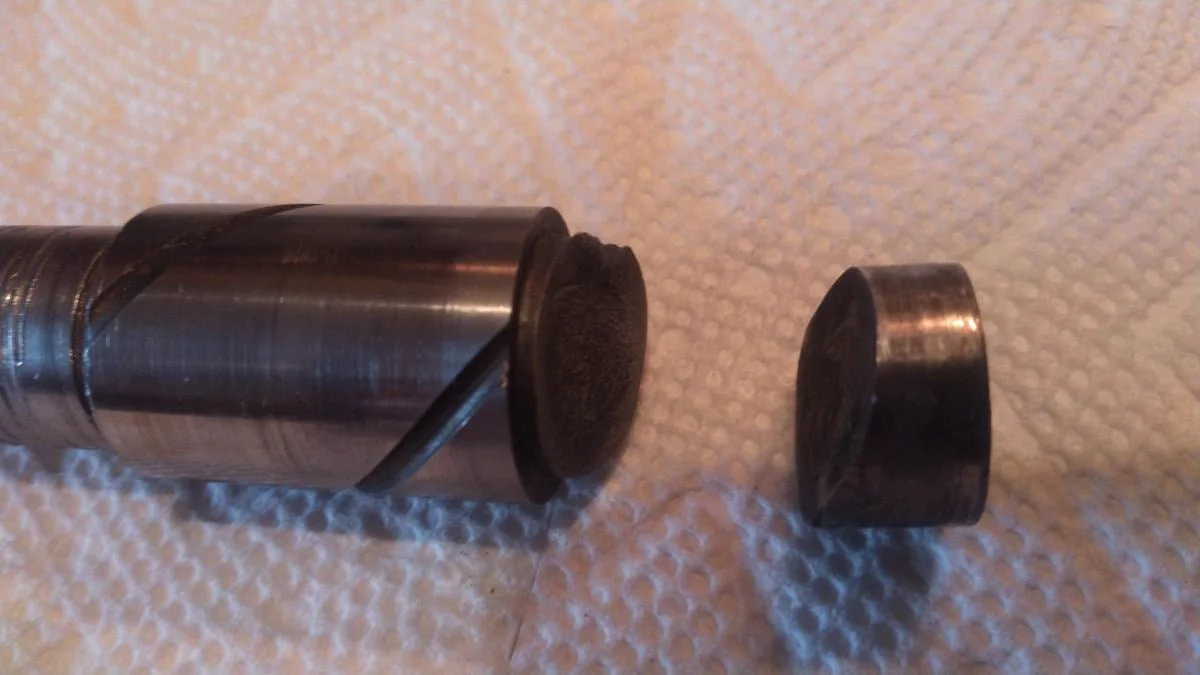
Here are some pictures of the assembly work.
Lots of fussy shrapnel and casting cleanup but worth the time and effort.
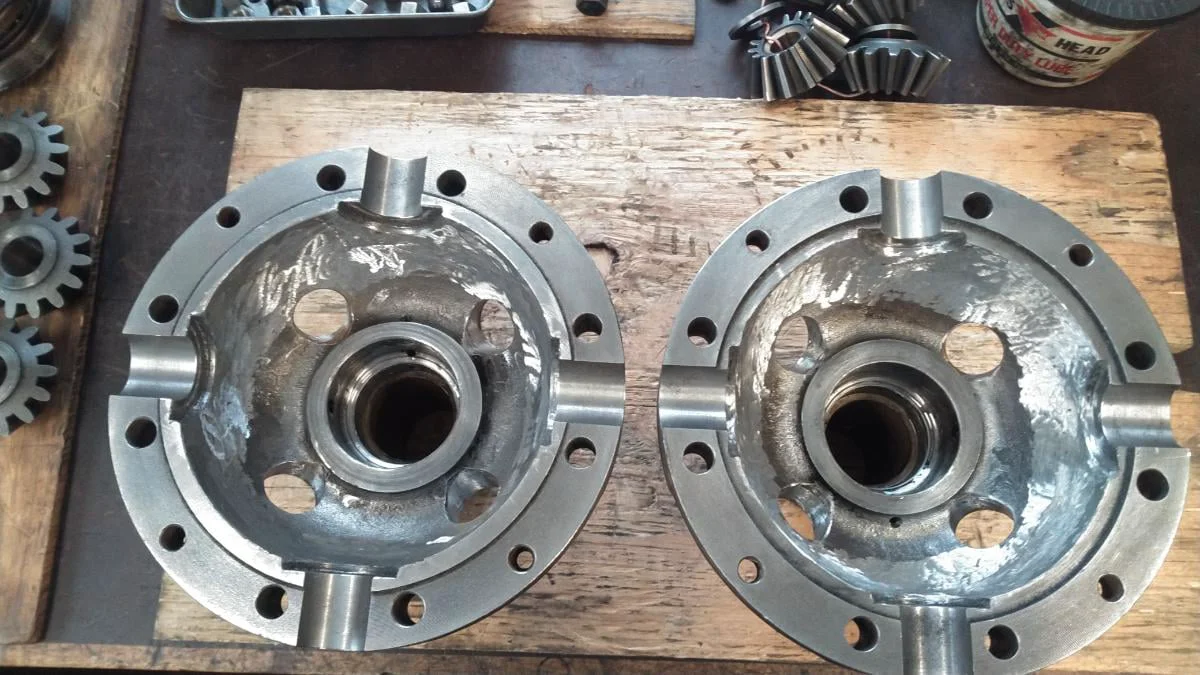
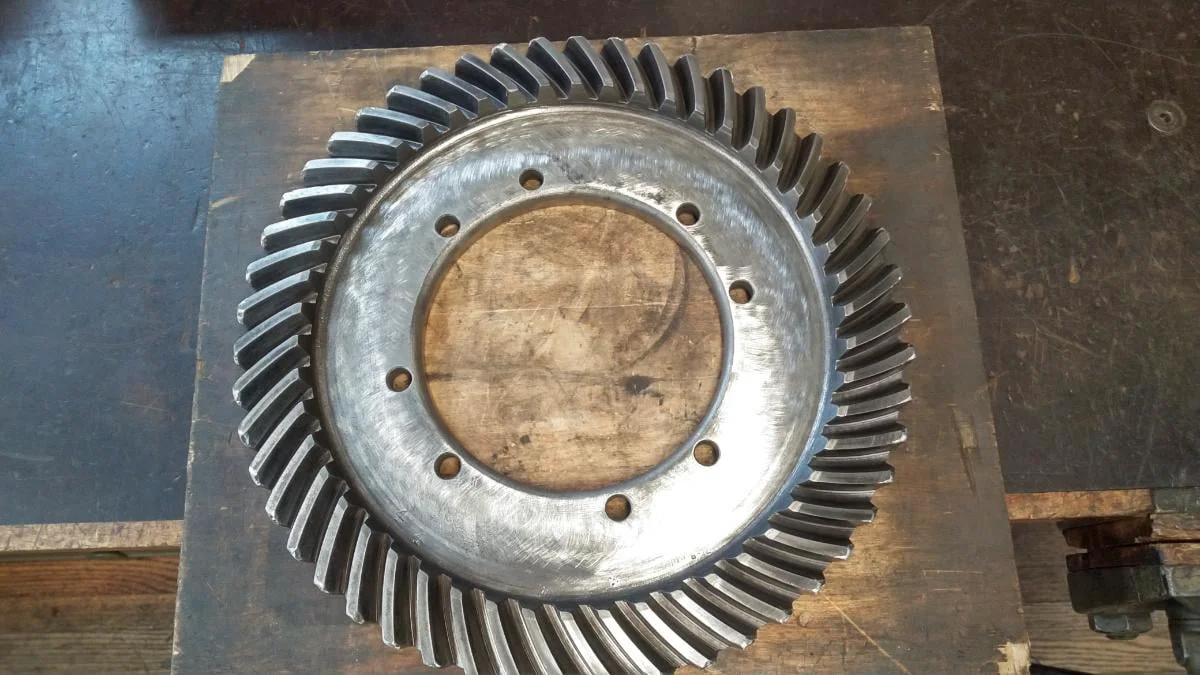
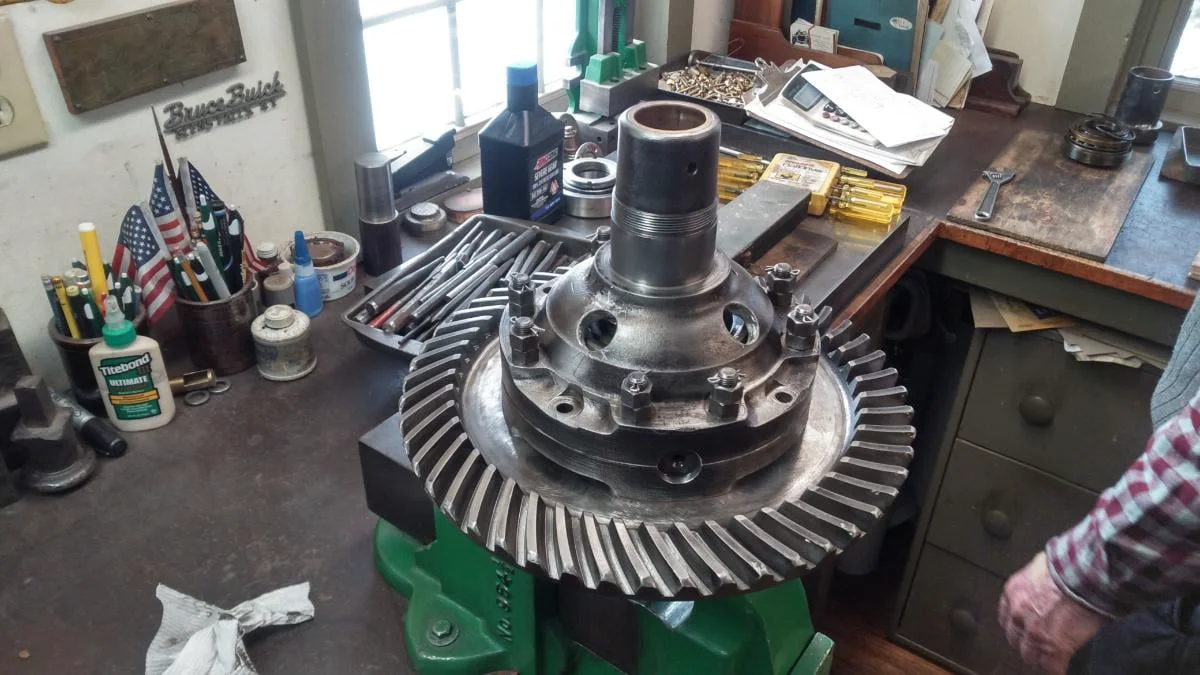
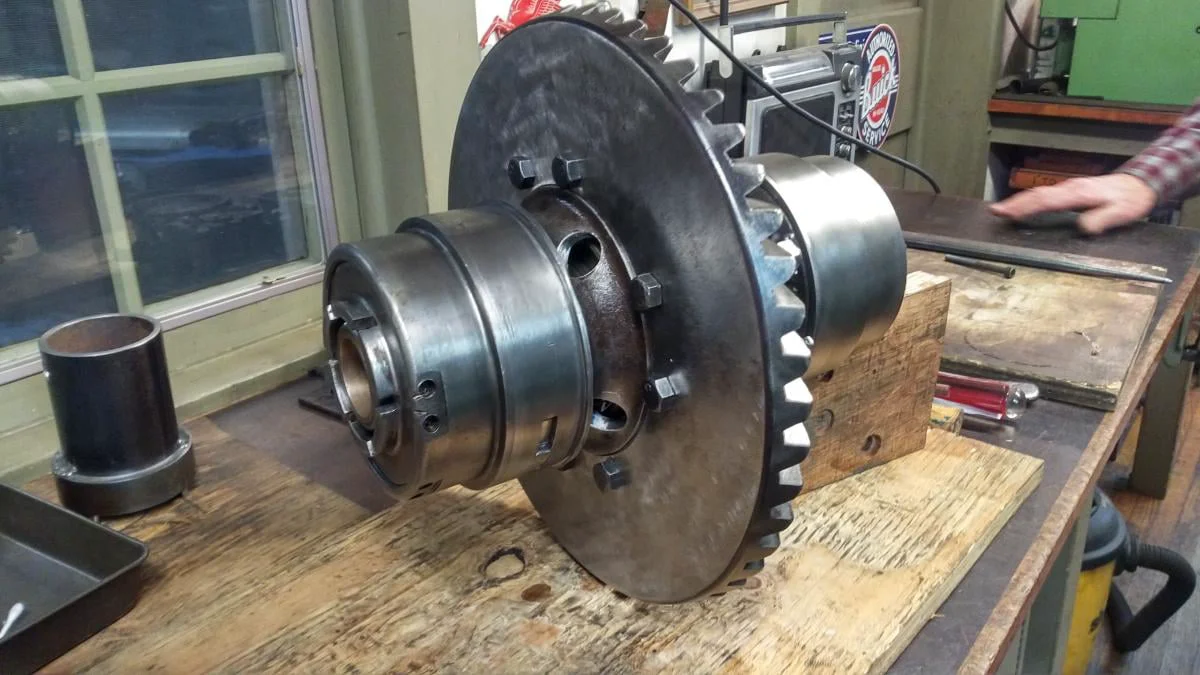
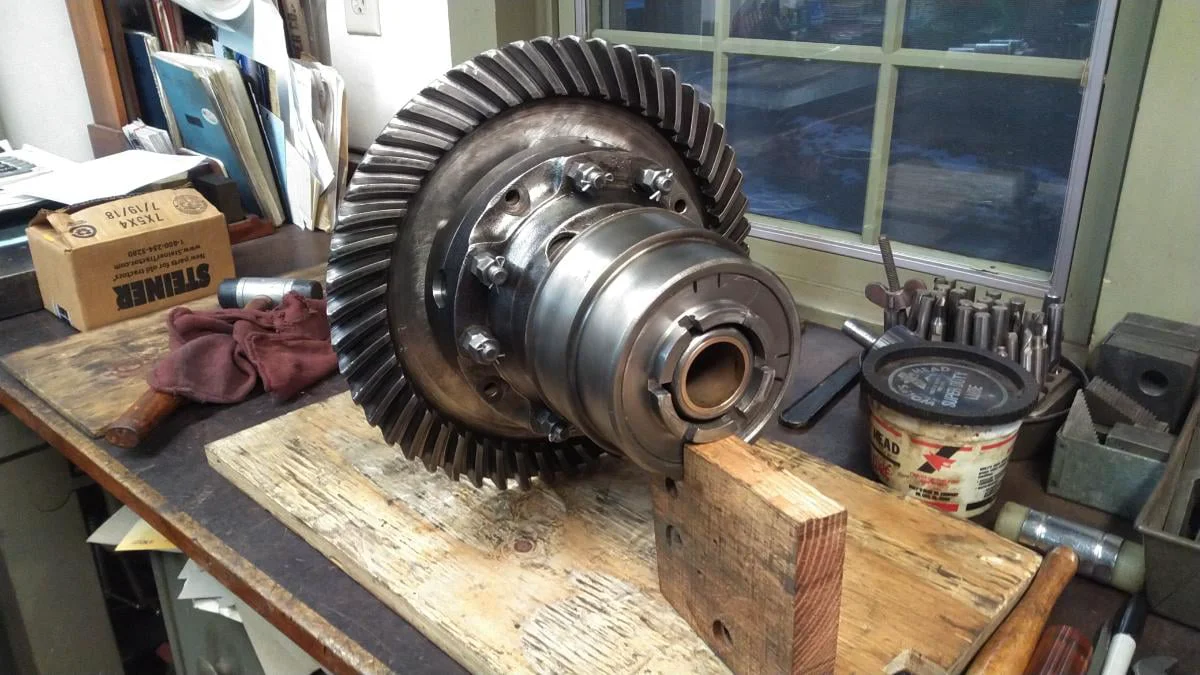
What’s the ratio of the one you’re rebuilding. I never have seen that kind of damage on earlier Locomobiles. Seems like the QC and engineering slipped with the bankruptcy. Maybe the stuff you purchased had rough use and poor maintenance.
That is one robust gear set. That is more husky than most 3/4 ton trucks have. Are you near ready to set in the casing?
Al
George,
The ratio is 3.85/1 (50/13).
I was very disappointed in the engineering The unit pictured is the highest quality and both sides have thrust bearings, bearing cups and adjusting nuts. The earlier generation had thrust bearing and adjustment on the left side only.
The QC was horrible also! Bad casting quality, burs, poorly finished machining bankruptcy/job action, haste?
Rough use and poor maintenance I guess maybe, but I think that would produce a different kind of damage like bad bearings, axle spine wear and wallowed out bushing.
------------------------------------------------------------------------------------------------------------------------------------
Al,
Yes the final product with the heavier spider gear set, double thrust bearings, and lots of correction should be very durable. I hope!
This is ready to set in the casing/housing but that's a work in progress.
Thanks for the interest and comments.

Dear Steve,
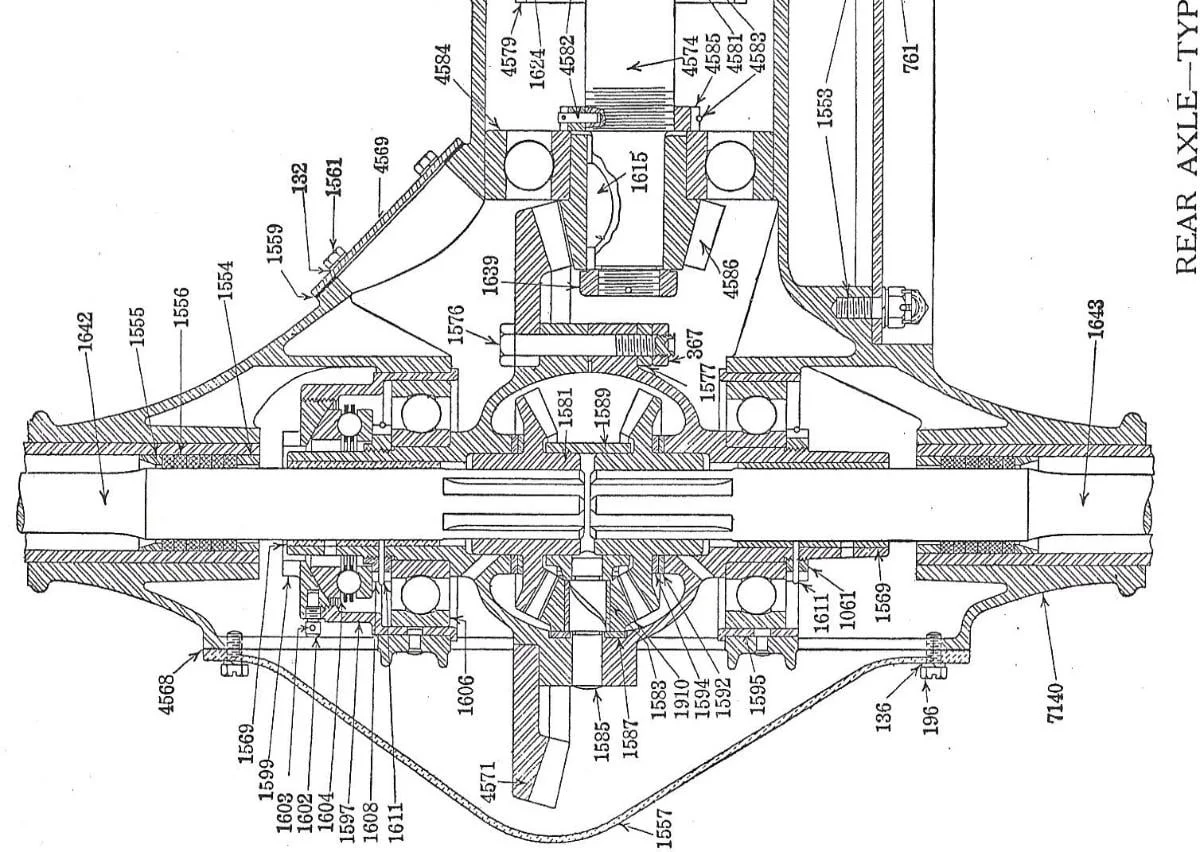
I compared the rear axles from five different Loco parts list:
- No. 54 (for models R and M, 1915),
- No. 65 (R7/M7, early 1917?),
- No. 68 (48-2, late 1917, same drawing as in No. 65),
- No. 78 (48-7, ca. 1920), and the
- 19000-series provided by Al.
Nowhere I can find the spider axles made in a way you show on your photo on the right side: Yours (OD 0.934") seem to have the same diameter in the middle for supporting the pinions and at their end where the axle is fixed (clamped) inside the housing halves. Look at the drawings: Even the last (19000) has slightly smaller diameters where it is clamped. Strange.
Btw, the part number 1585 for the spider axle is the same in the first four books, different on 19000. Considering the introduction of 19000 series in 1924, the previous design (which was used for most of the model 48s ever made) shall not have been too weak, I guess.
Then the question about the second thrust bearing on the side opposed to the crown wheel: The older three books don't show that, on the Series 7 it was added already.
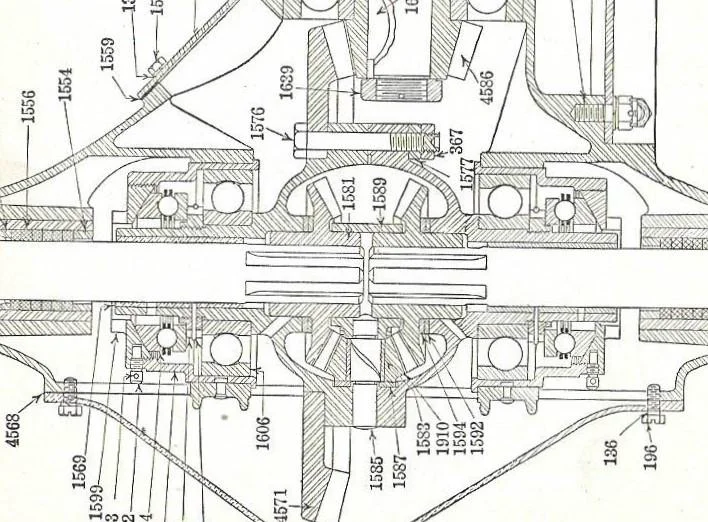
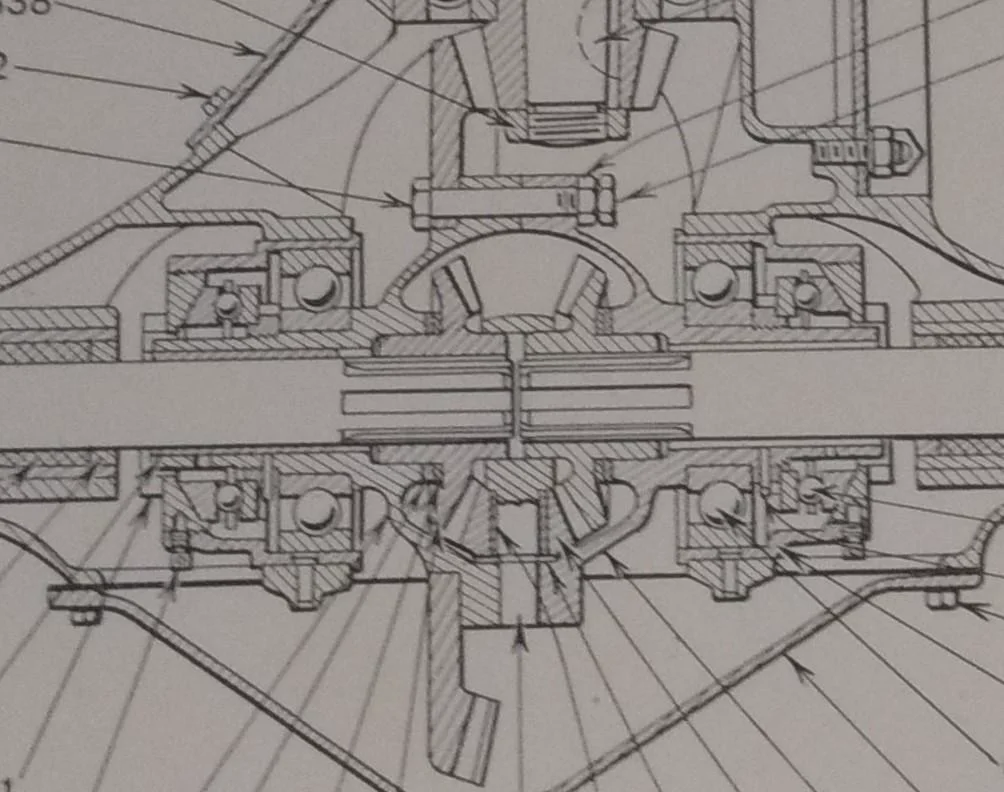
Frank, Steve and others, That is a very nice graphic comparison of the Locomobile 48 rear axles. Evidently, Locomobile saw a need for the secondary thrust bearing on both sides of the carrier as that design carried to the end of 48 production.
Al
Frank,
Thank you for sharing the drawing that help clarify the production changes in thrust bearing configuration.
The detail of the step in the spider gear axle in the latest drawing is very interesting indeed.
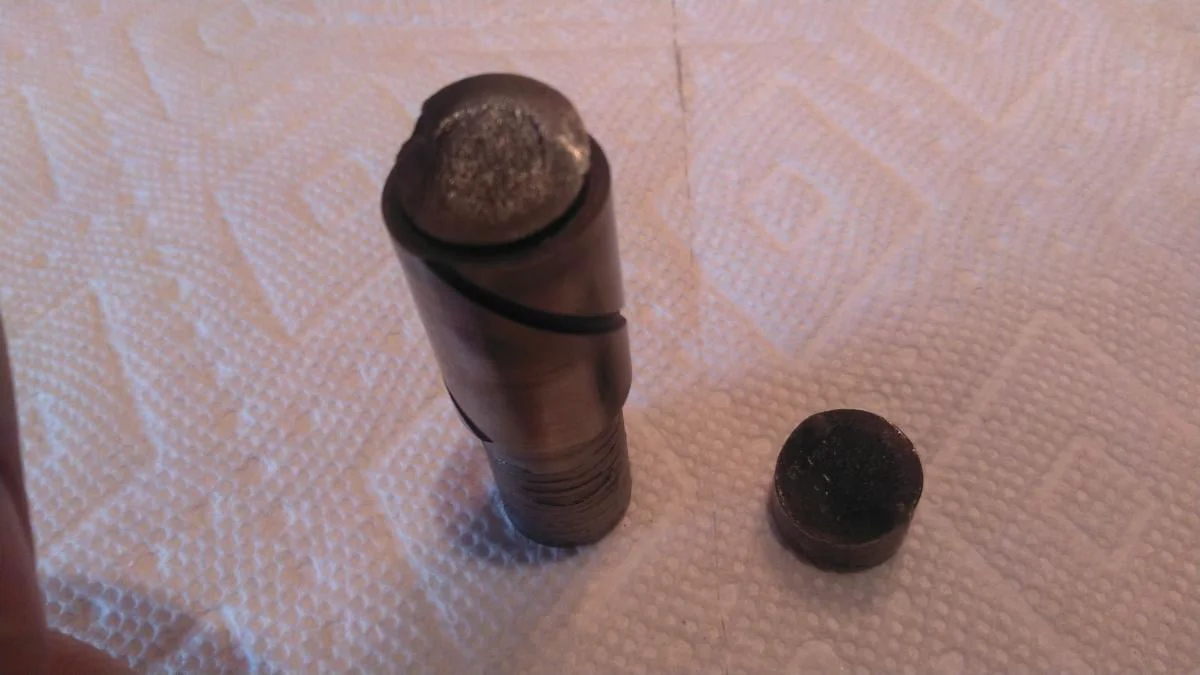
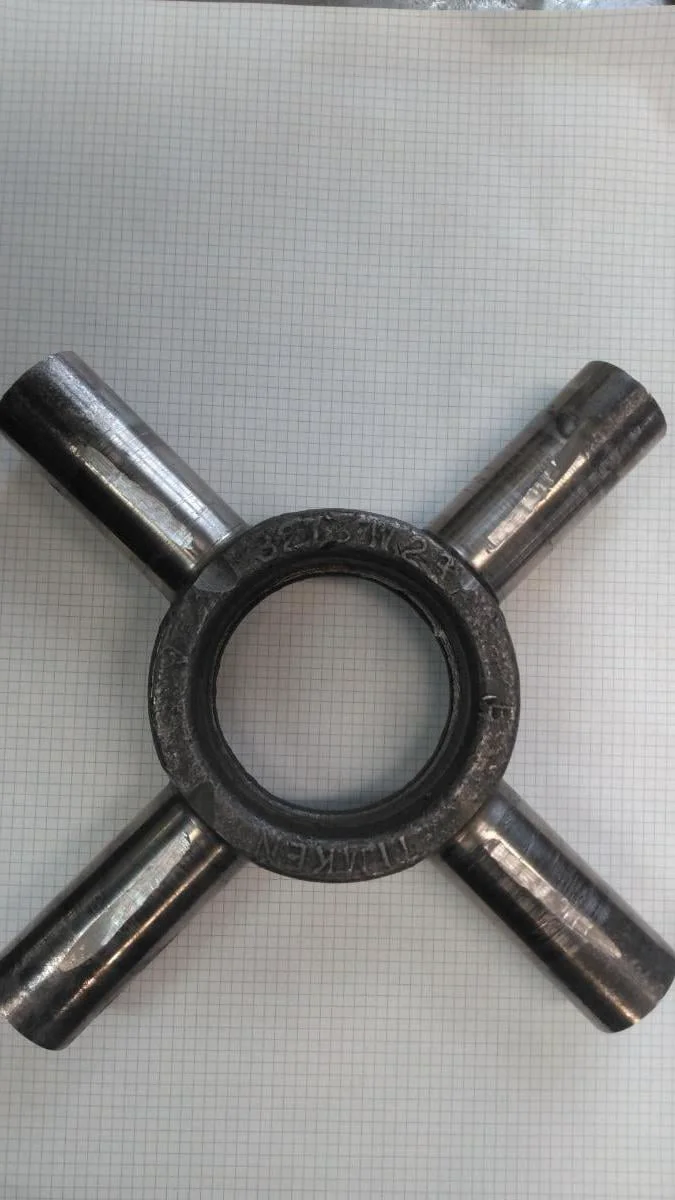
Here are a couple of pictures of the one piece Timken spider cross to show it's numbers. I did a quick google search of both but nothing came up.
Another detail you may have noticed is the spider gears look the same but the version in my unit is without a bushing. It appears the cross was designed intentionally for this as a service repair or a later improvement.
I normally wouldn't spend this much time dwelling on such detail but the evolution of ideas in the early years is very interesting.
How many companies build 6000 pound automobiles in 1915?
At this point my interest is only knowledge and to help other people avoid a bad day with their Locomobiles.
If you are confident this isn't an issue for you of your car fantastic.
If you or a friend have experienced a failure please share the wealth ( knowledge ).
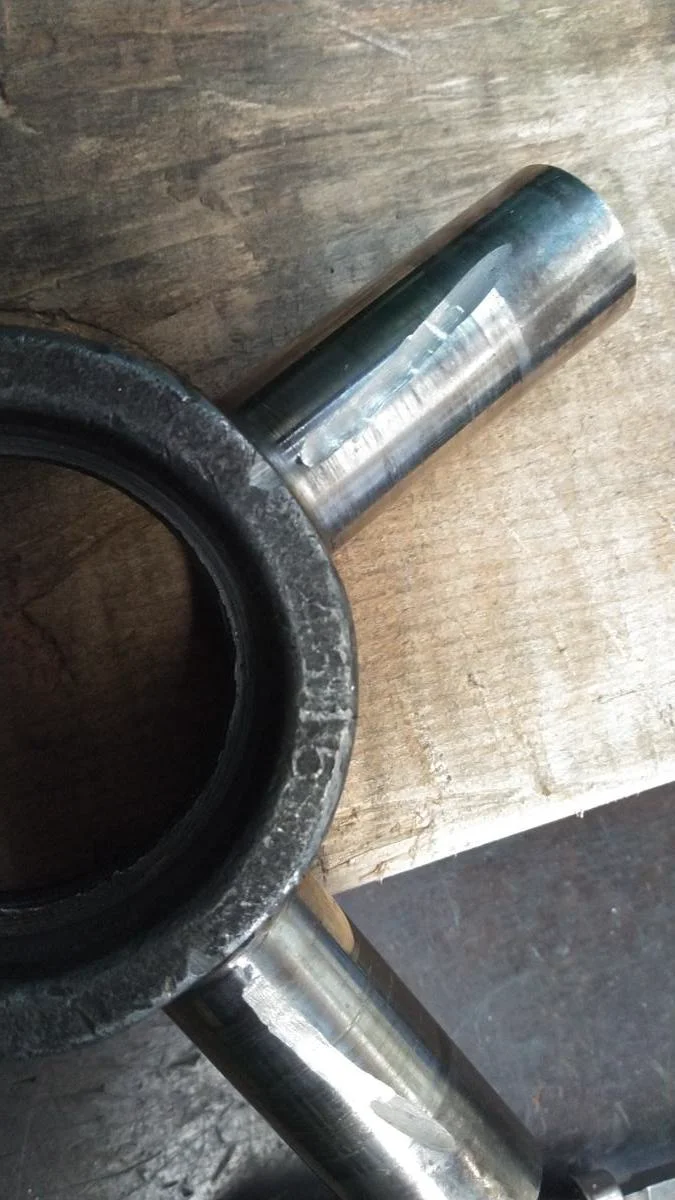
I am sure that Locomobile has had failures of the rear end third member, but blown up rear ends are certainly not the norm. I also would like to hear of others who have had experience rebuilding/repairing the robust rear end assembly.
Al
Ok, today, after I have confirmed with my friend, I will share his experience with you. My friend Lothar lives in the south of Germany and owns this red speed car, a 1916 model 48, quite well-known in the public. The early history and total milage is unknown, it certainly had some years of neglect in its earlier life, but for more than 15 years this car is in the caring hands of my friend who drives the Loco frequently on many occasions, including historic races.
In June 2020 he experienced rear axle trouble: the head of one of these bolts sheared off, became trapped in between the ring and pinion gear, and do you know what happened?
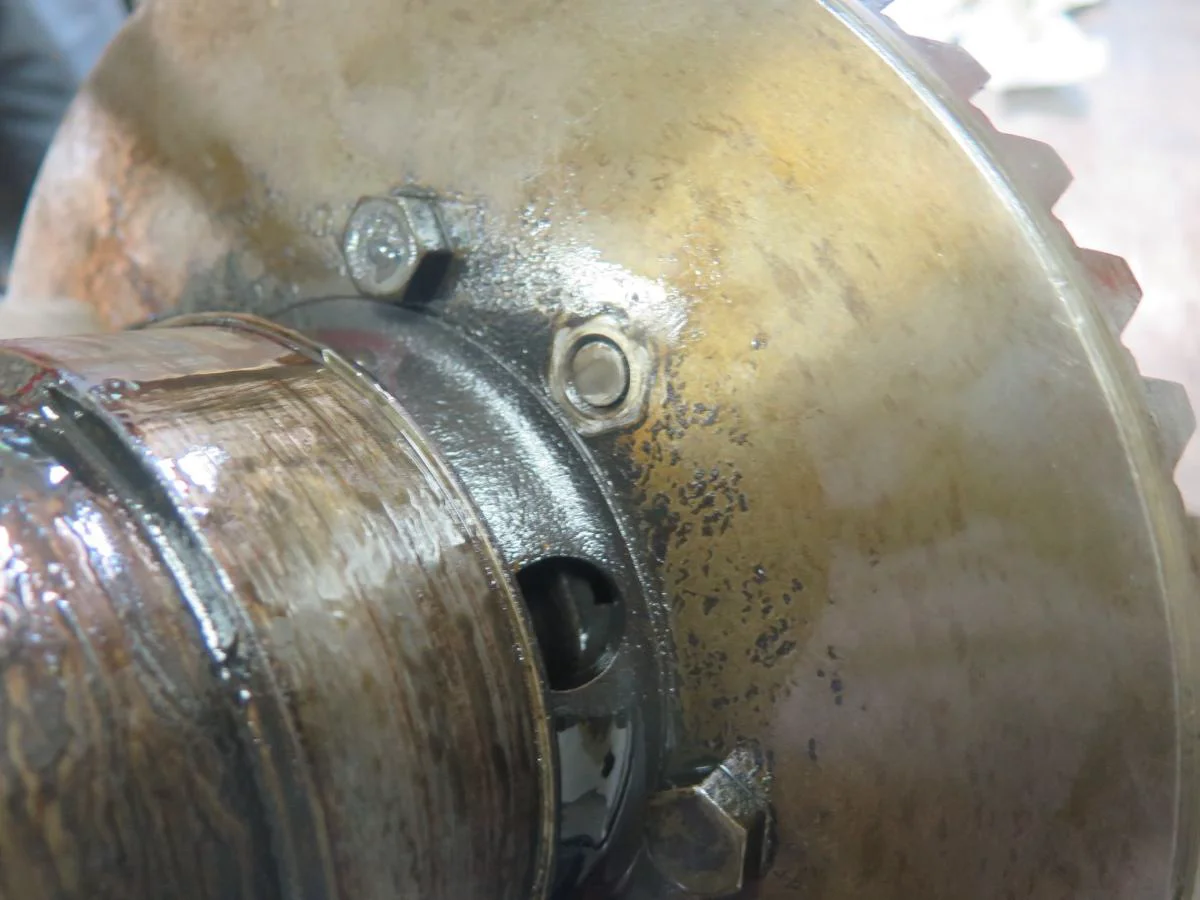
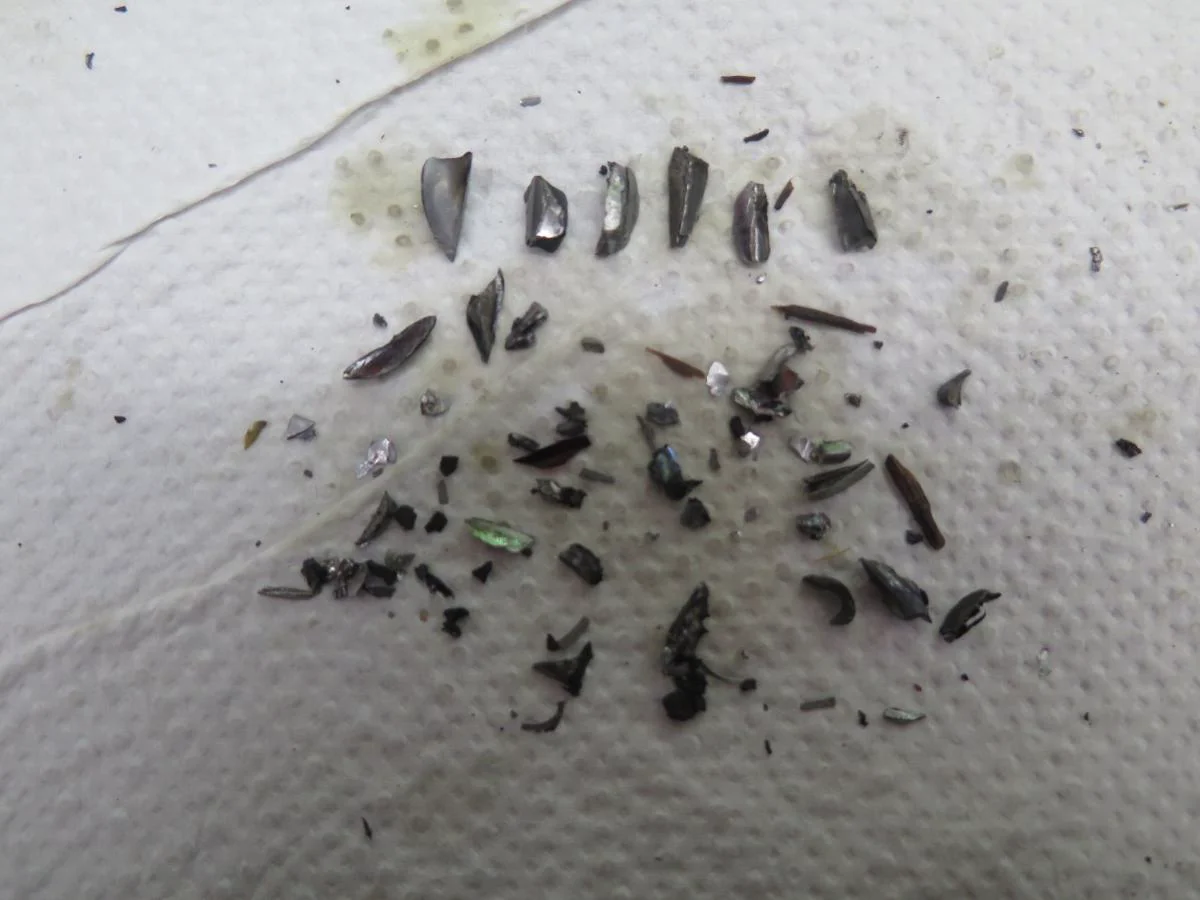
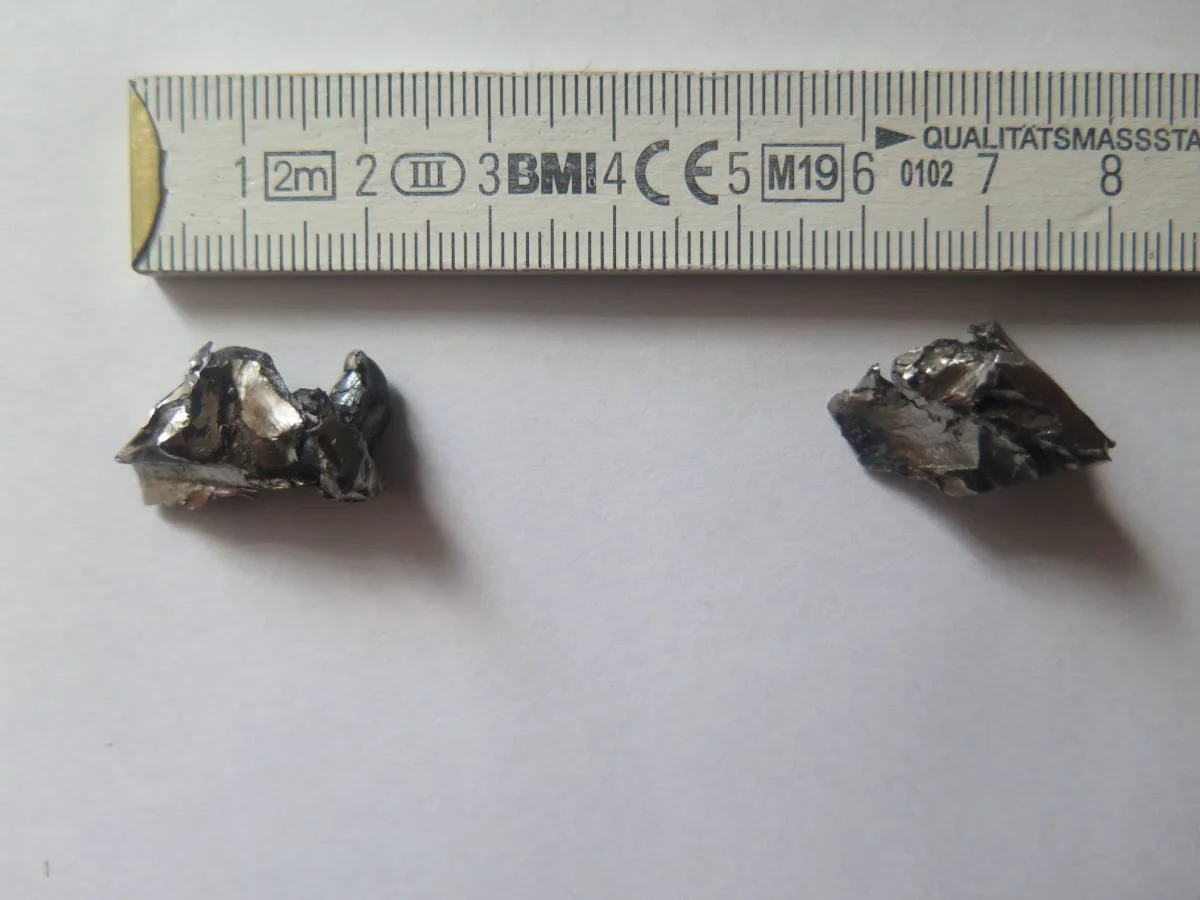
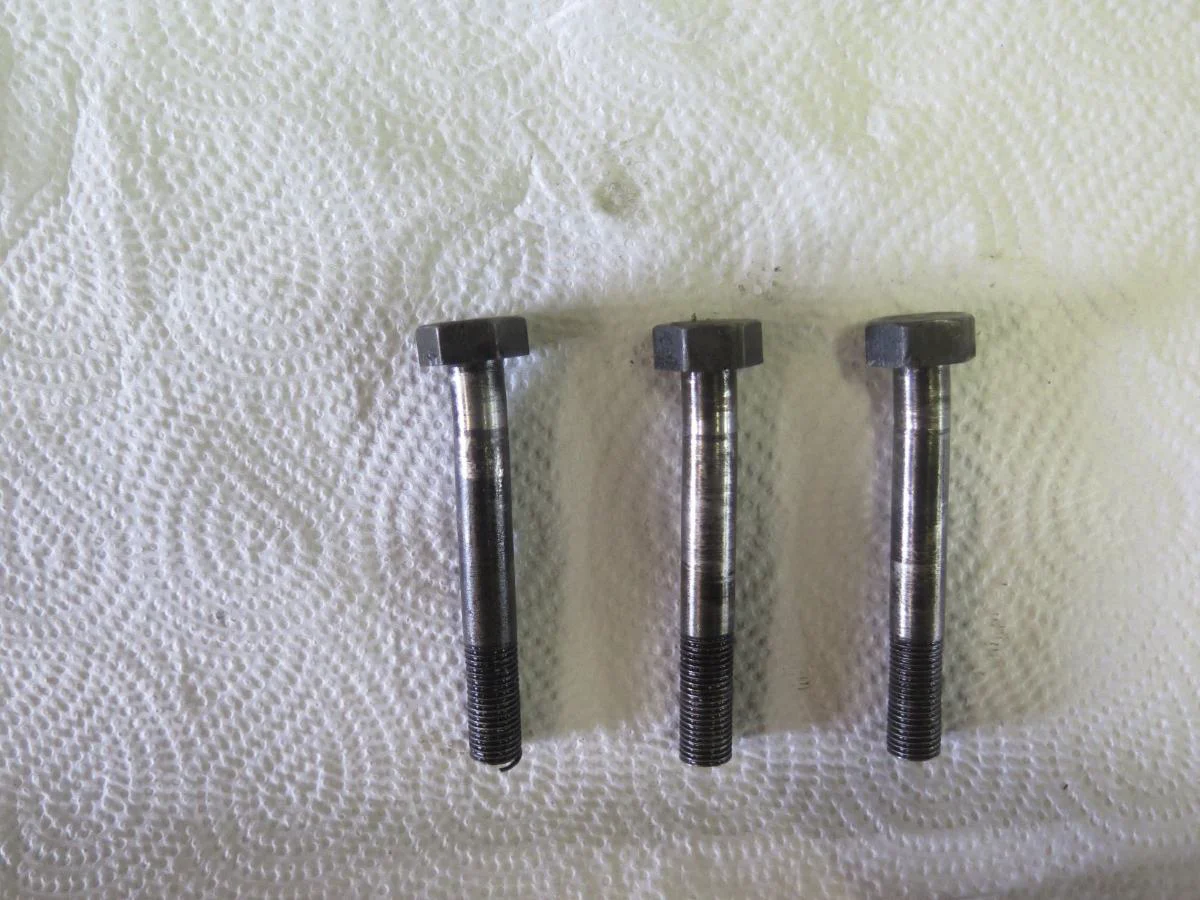
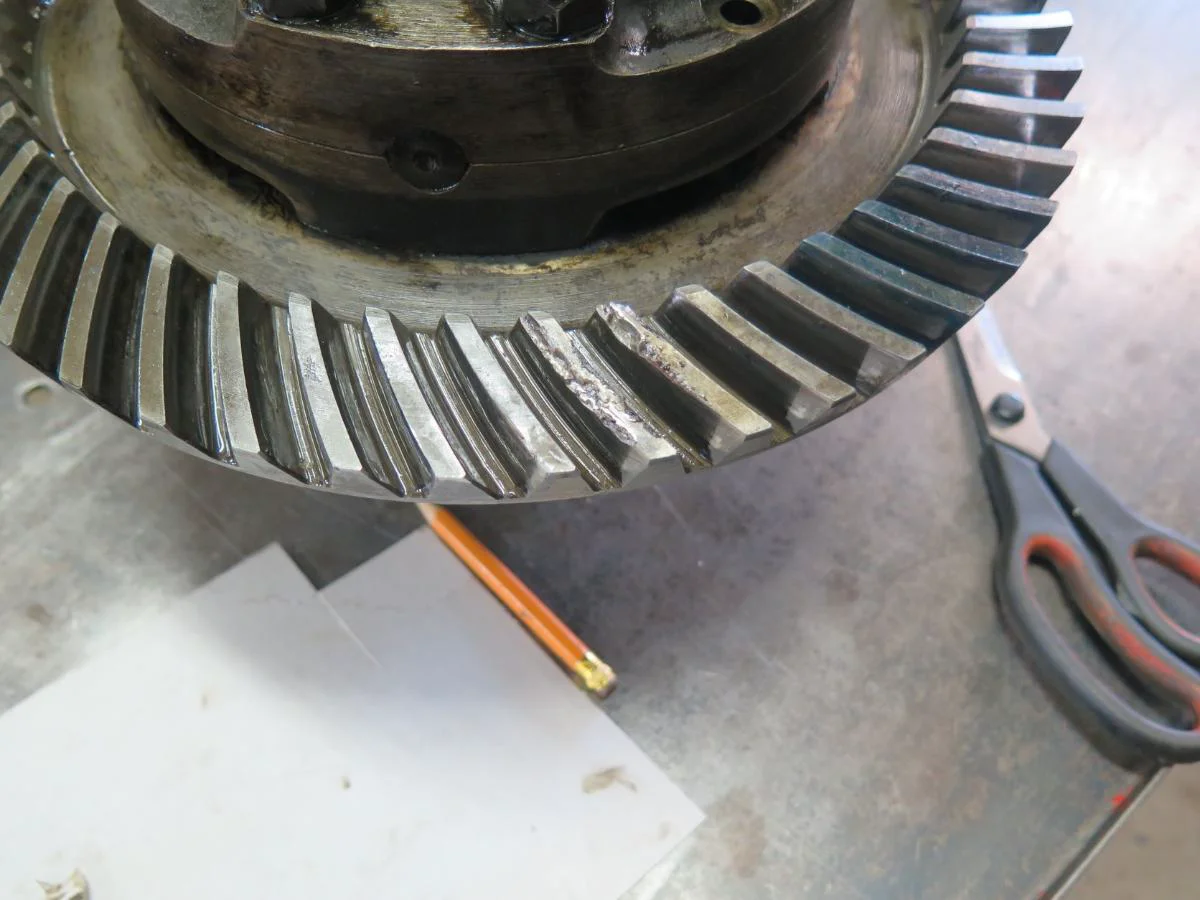
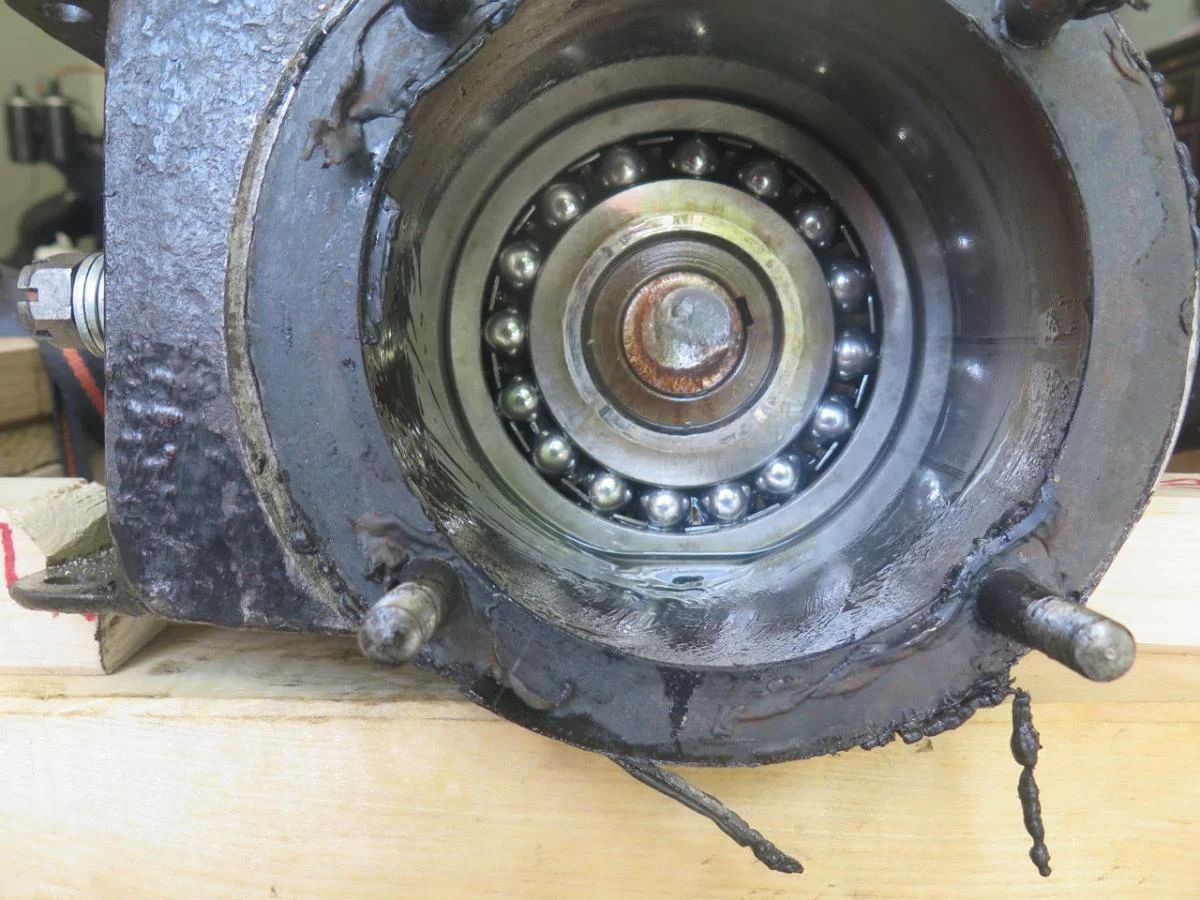
the internals of Lothars Differential look like this:
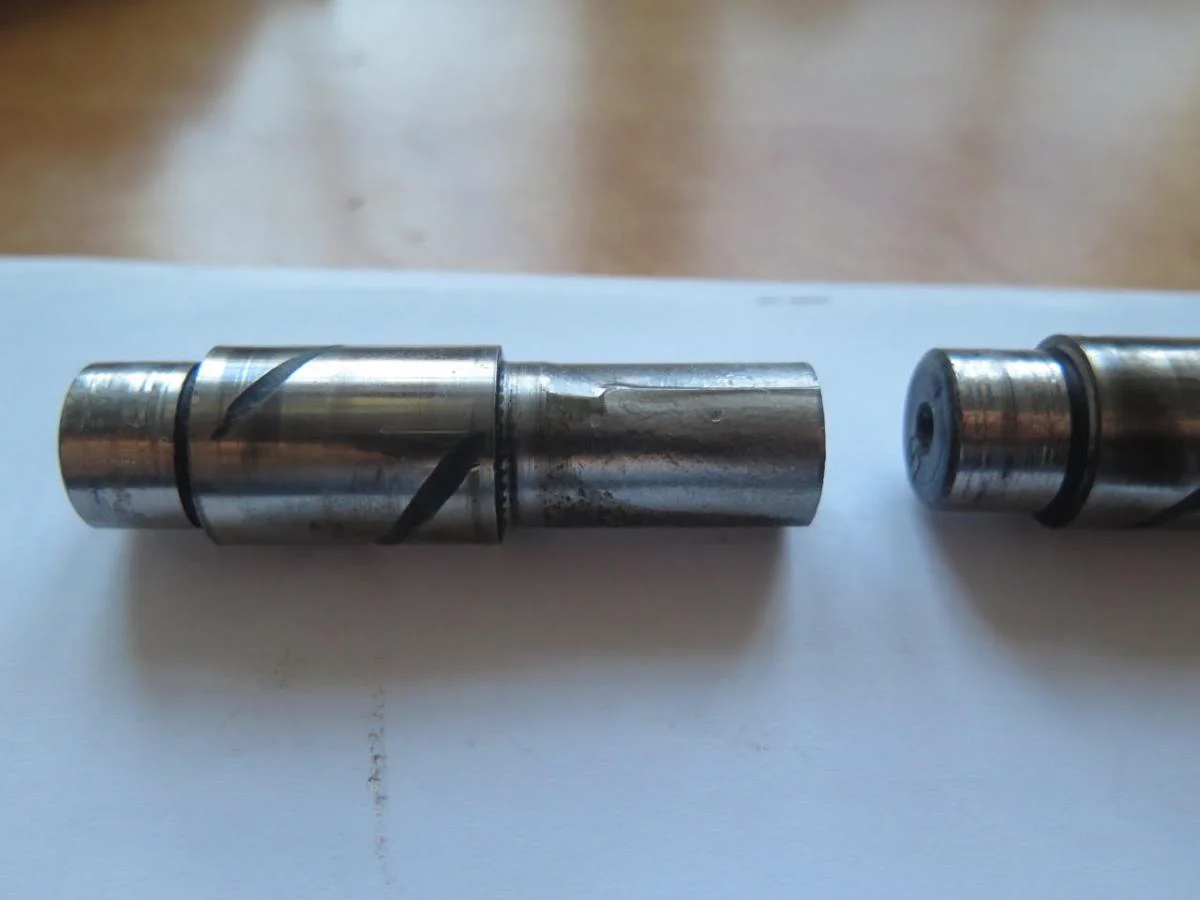
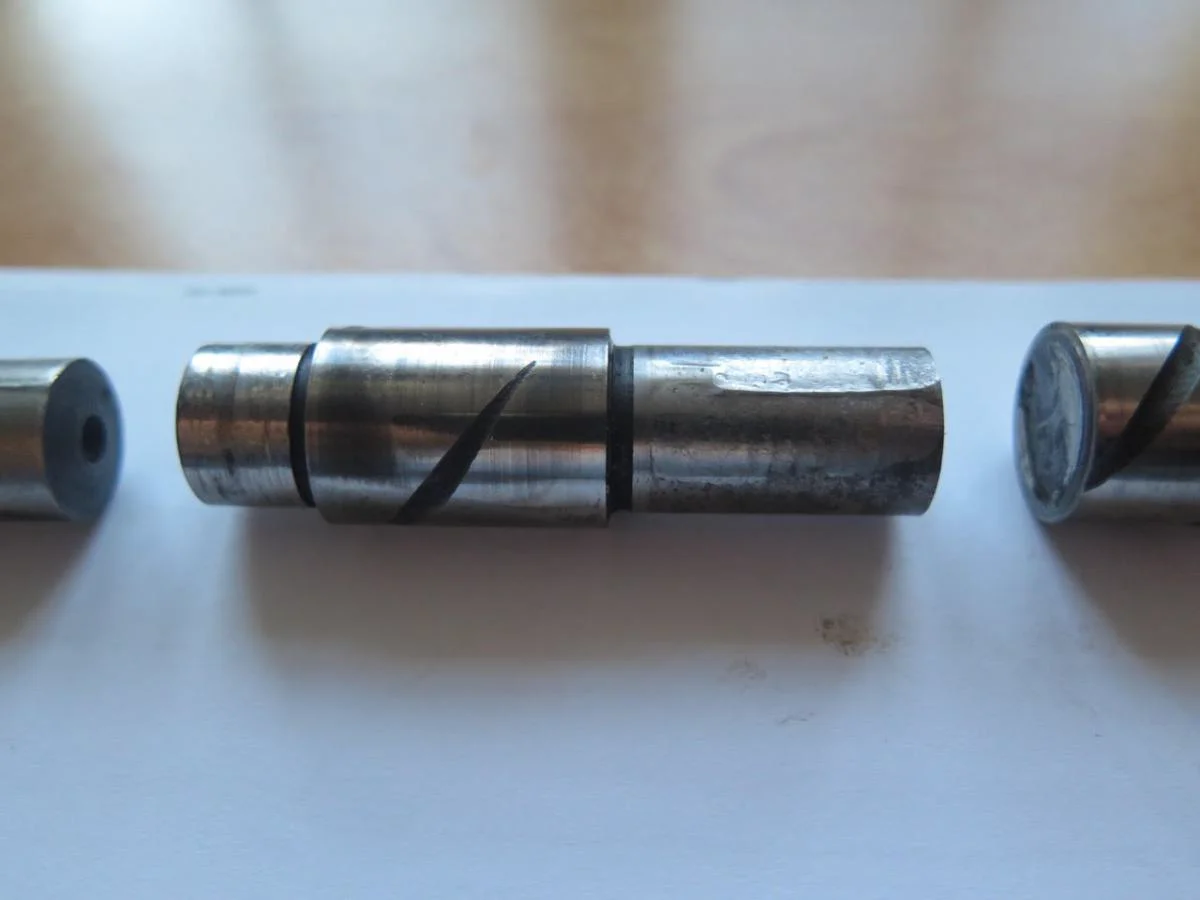
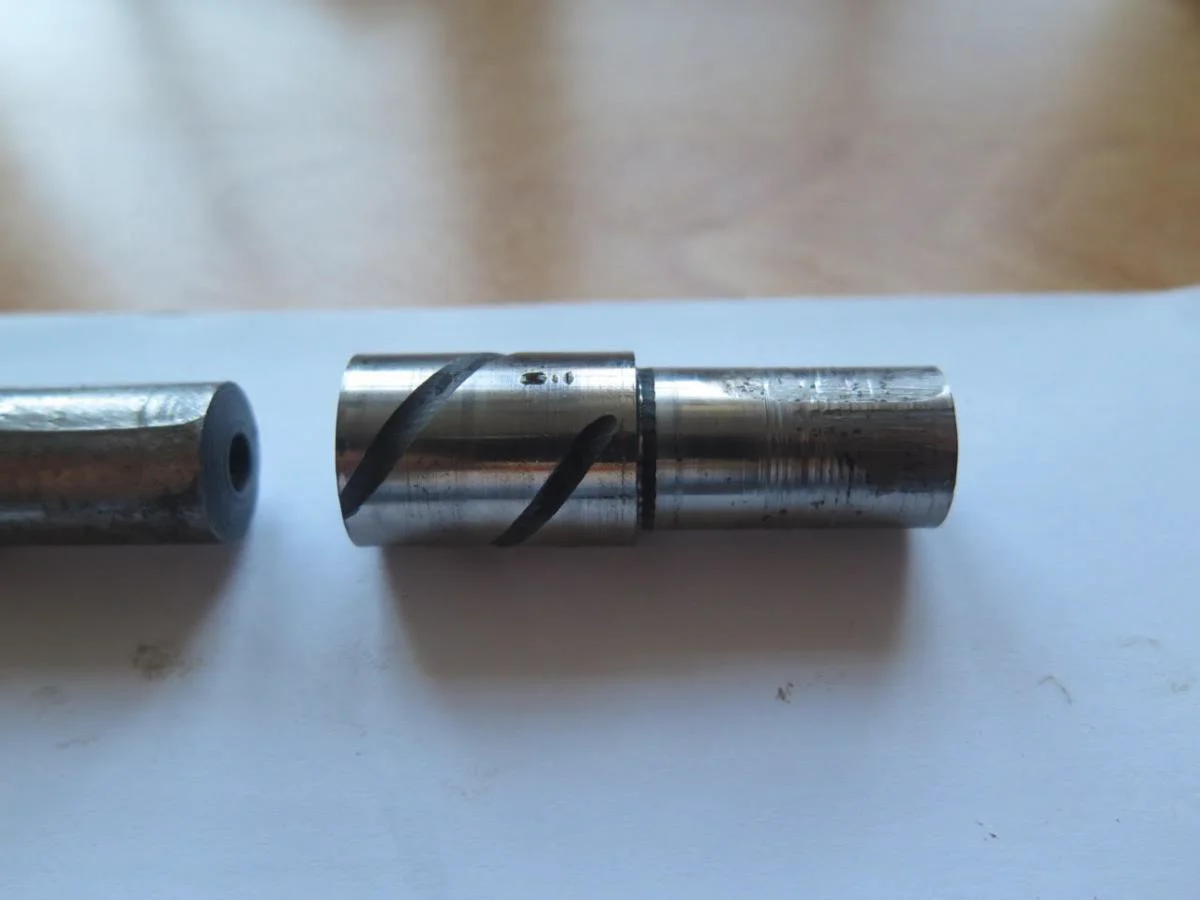
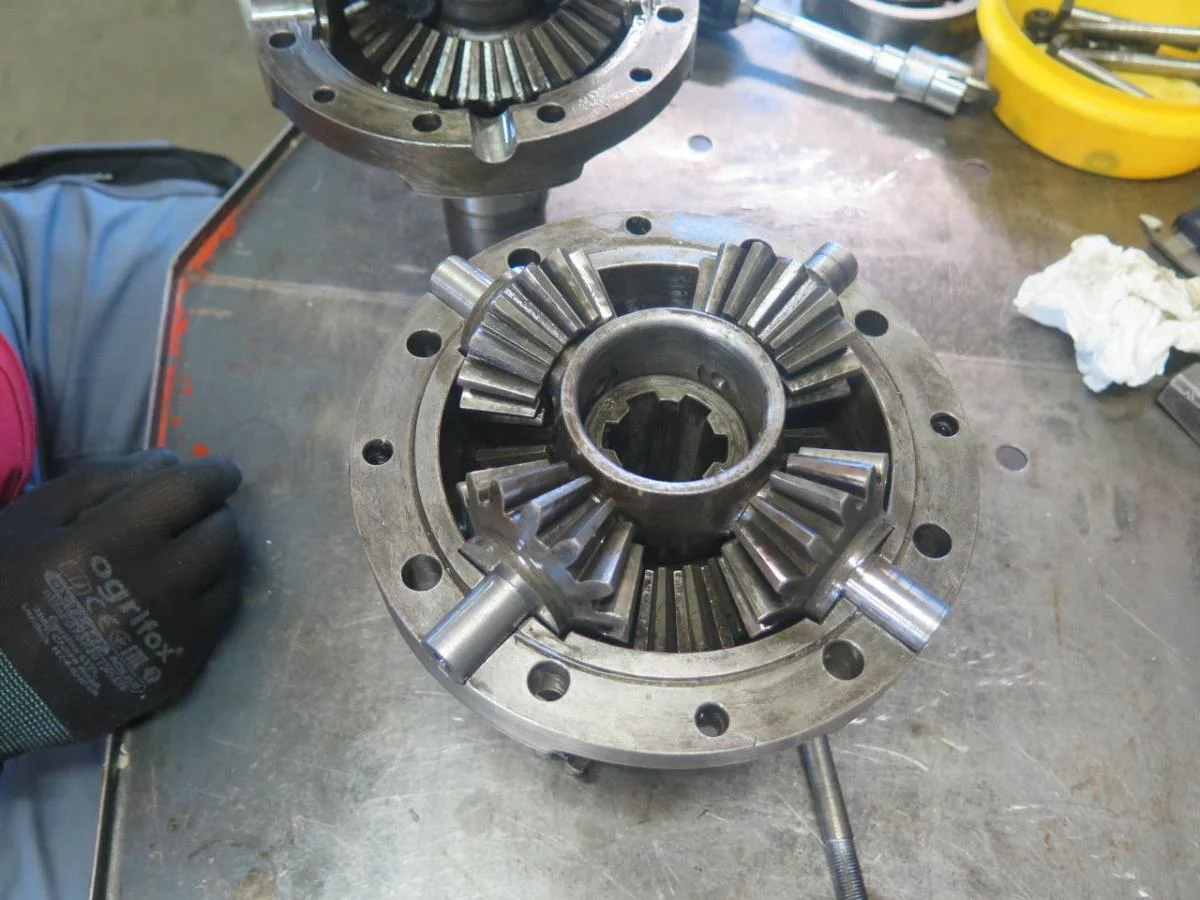
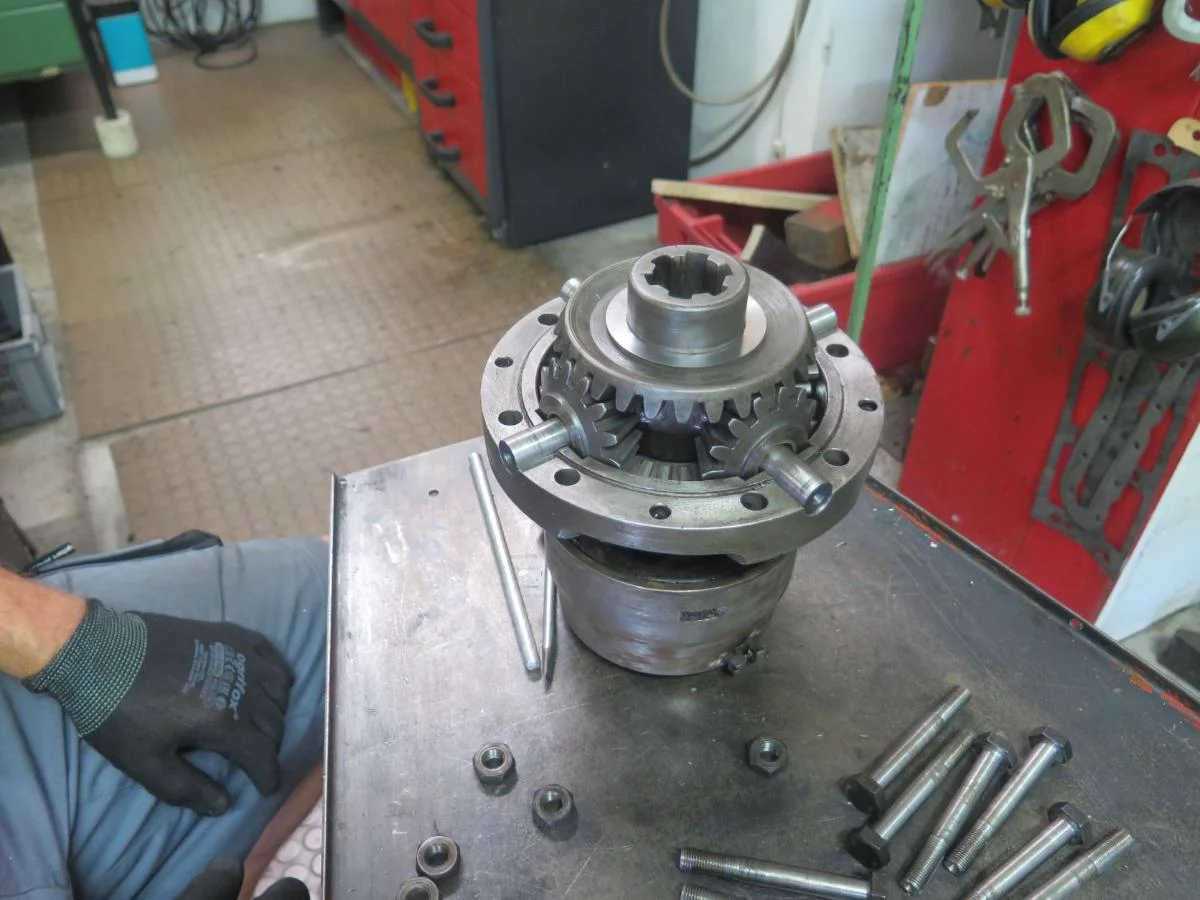
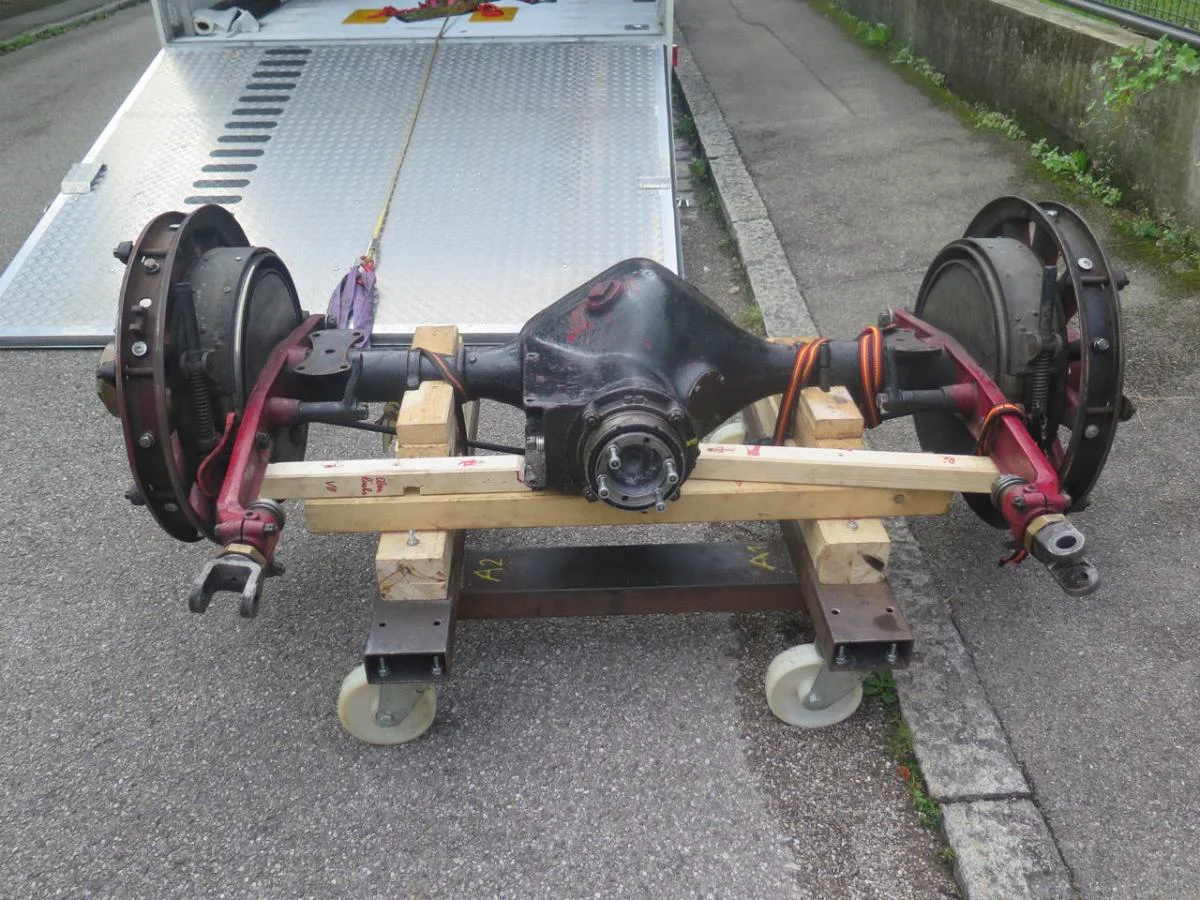
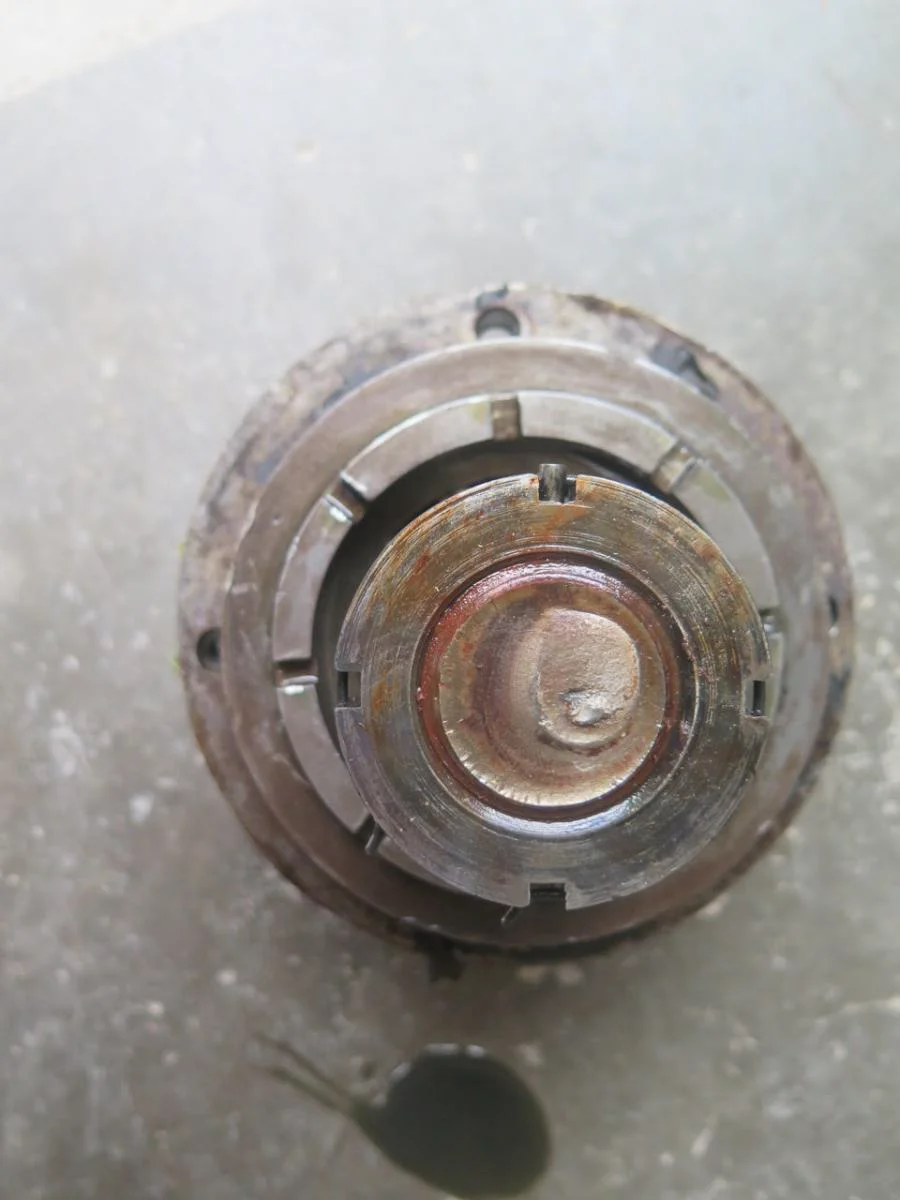
...and here comes the second part of the story, in July 2021: One year after the diff was repaired, the consequential damage showed up: When starting from stand still at a traffic light, the pinion shaft sheared off!
See the photos. A new shaft was made, then the Loco was back on the road...
Hello Frank,
I suppose that Lothar feels the pinion failure was brought on by the rear end chewing up two bolt heads. It is a natural thought I have.
Al
alsfarmsFeb 1, 2023Hello Frank,
I suppose that Lothar feels the pinion failure was brought on by the rear end chewing up two bolt heads. It is a natural thought I have.
Al
yes, you are right. This is what he thinks. After such a terrible overload-situation, some kind of consequential problem can be expected. A check for cracks (like ultrasonic flaw detection) could have been useful. Look at the location where the shaft broke: starting from inside the thread groove, you could not see it by eye when it was dismanteled the first time.
Dear Frank,
I very much appreciate you reaching out to Lothar for his consent, then you sharing this story Great pictures!
Is the 8th down from the top a broken spider axle or am I mistaken?
Were he less passionate about his automobile he may have not noticed or ignored the minor changes in noise/vibration.
Did the last owner of our cars ignore a noise?
How long would it take for that shrapnel to have worked it's way around then back into gears or the cascading effect of breaking ring gear bolts to catastrophic failure?
BOOM!
Continuing education can get very expensive!
This lesson looks cheep to me.
Inspection involves the following;
1- Remove rear hub caps.
2- Pull out rear axles.
3-Drain gear oil.
4-Remove differential cover.
5- Remove 4 cotter pins and retaining nut.
6- Remove carrier assembly
7- split carrier, clean and inspect everything!
Are you feeling lucky!
8-To reassemble- make a gasket reverse process to reassemble.
All in all a productive day in the garage and added piece of mind! Priceless.
Have I mentioned how much I love Locomobiles?
Timken Rear-ends are still my favorite! Well for Bass Era.
Thanks again Frank!
Great stuff.
Ittenbacher FrankFeb 1, 2023...and here comes the second part of the story, in July 2021: One year after the diff was repaired, the consequential damage showed up: When starting from stand still at a traffic light, the pinion shaft sheared off!
See the photos. A new shaft was made, then the Loco was back on the road...
That’s rust on the periphery of the pinion isn’t it? Certainly not the lubricant. My experience leans to a unrelieved thread causing a failure or perhaps poor job of heat treating. Probably cracked a long time and bolt failure was the last straw. The rust means water at sometime.
Hello George,
I hadn't gotten into the subject of bolts very deeply yet.
To your point about unrelieved threads. The axles I have between 1914 and 1917 had bolts with a deep round centering cut double nutted to lock.
The threads fell short in the lock nut rather than extend through to the point were the full bolt strength was engaged.
In some cases the last tread was pulled to the point that it split from the bolts end (fractured) leaving a hanger to potentially break away. Over tightened?
If you look closely at the fourth picture in Franks post of Lother's axle you will see a great example of the stretched and fractured thread on the bent bolt to the left.
That picture is worth all my words of caution.
Longer bolts double nutted were in the 1920 axle, we drilled and added cotter pins as shown in the Monday posted picture for the extra piece of mind.
After more study of the failure of Lothar's pinion shaft, I absolutely concur with the assessment shared by George. If there was some sort of serious overload or shock, it would have at its base the weak link which in this case would have been at the point of the outer thread root. This failure acted in the same manner as a typical shear pin. Steve, I am certainly impressed with the robust nature of these Locomobile rear axle assemblies knowing that they were designed and built to drive a hundred horse and 6000 pound automobile. Especially at a time when our American roads were still in the baby stage of development. That said, I have kept a nice Timken rear end from 1912-13 for use in a future special as I agree with your feelings.....they are also great rear axles and so are Timken transmissions.
Al
George KFeb 2, 2023That’s rust on the periphery of the pinion isn’t it? Certainly not the lubricant. My experience leans to a unrelieved thread causing a failure or perhaps poor job of heat treating. Probably cracked a long time and bolt failure was the last straw. The rust means water at sometime.
Your thought is absolutely reasonable, George. At least the rear and of this Loco must have been exposed to rain for a long time. Lothar told me he had found evidence on several parts, for example the degree of rust on the brake drums.
To join in the conversation, you must be a club member.
You’re welcome to read and like every post. Members can reply and start topics of their own.