

@IttenbacherFrank

That transmission will NOT leak grease. It will puke oil, but the grease will stay fast!
edinmassFeb 18, 2023
That transmission will NOT leak grease. It will puke oil, but the grease will stay fast!
ok you are right. Sorry for my poor english, I just tried to explain that some lubricant came out from the front seal. It was not dripping to the floor but stuck on the transmission housing, chassis cross member and all around. Firstly, it was overfilled by the people who drove the car to the technical testing station in 2017. The widow of the previous owner had the idea that the car could be sold easier if it had the "TÜV"-approval and looked shiny. She paid some people who claimed to "know old cars". Now, 3 years after I bought the car, I am still sorting out the mistakes done by them. Another "specialist" also polished the paint. He obviously used machines, with the consequence that the pin striping is gone in several places...but that is another story. Anyway, one and a half quart of surplus grease came out from the overflow pipe when I checked the level after my app. 600 mls test drives.
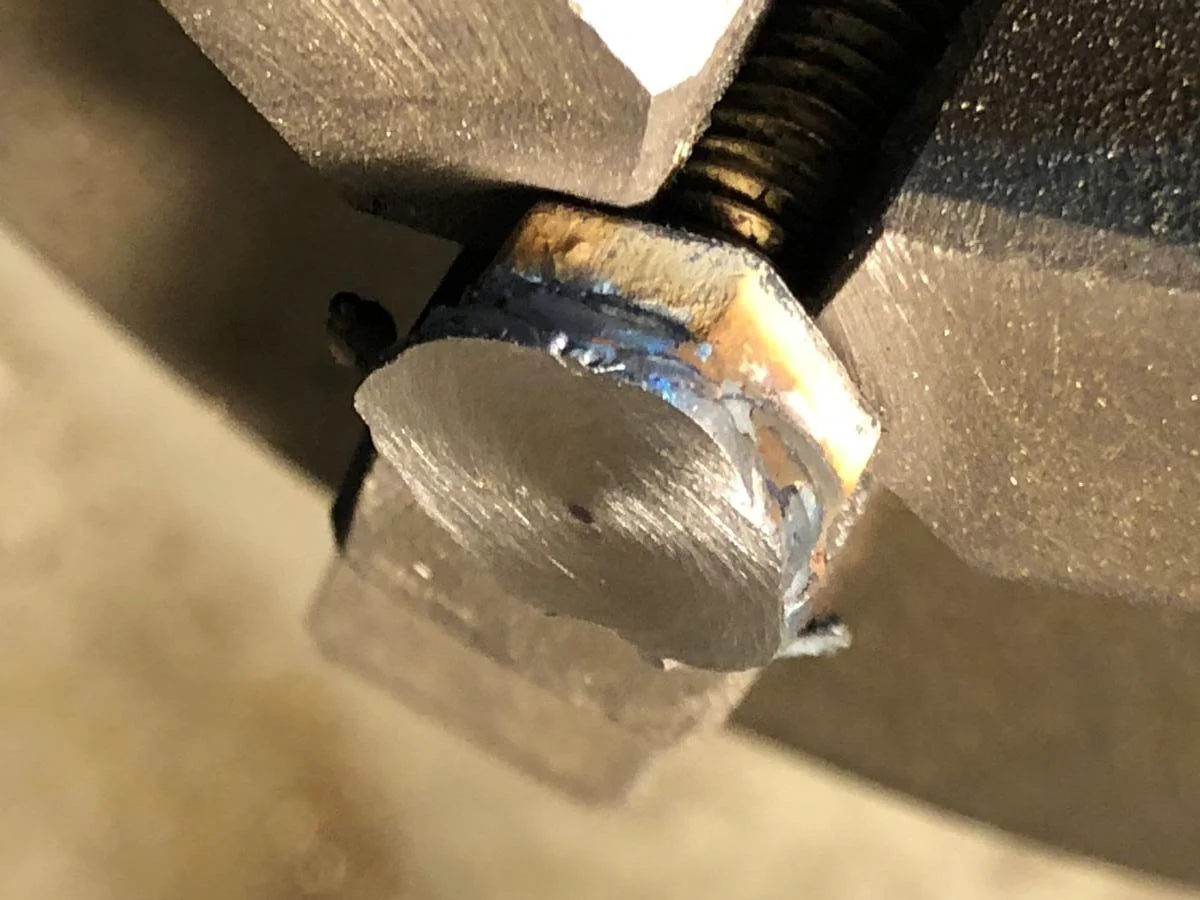
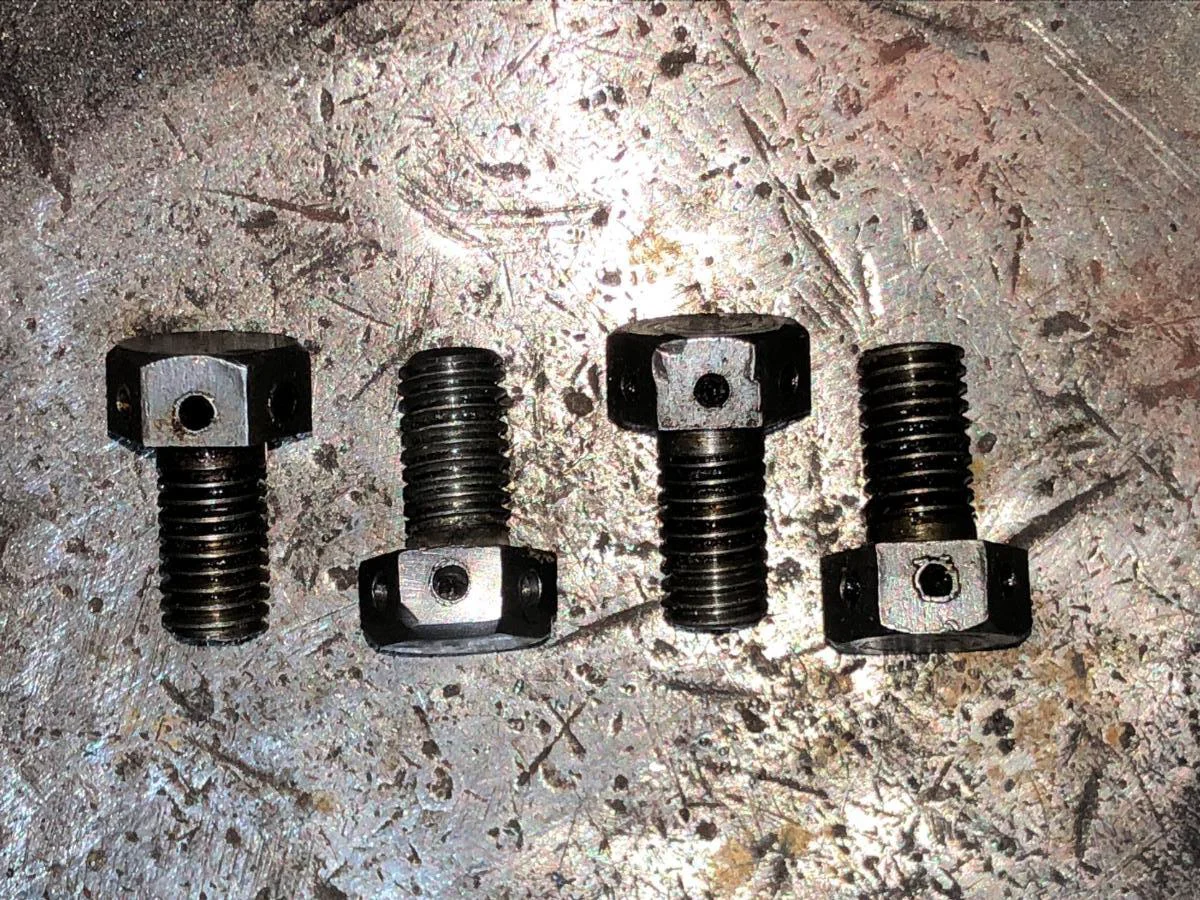
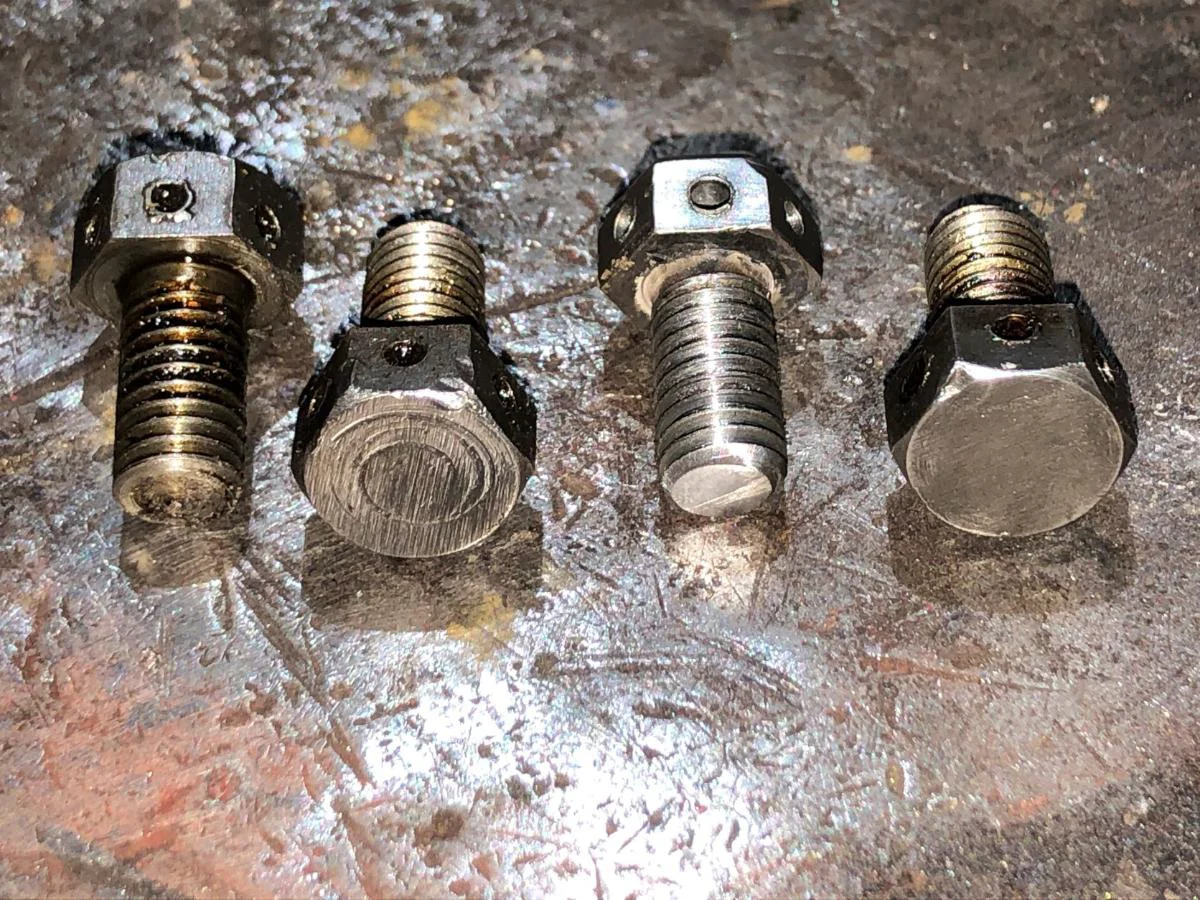
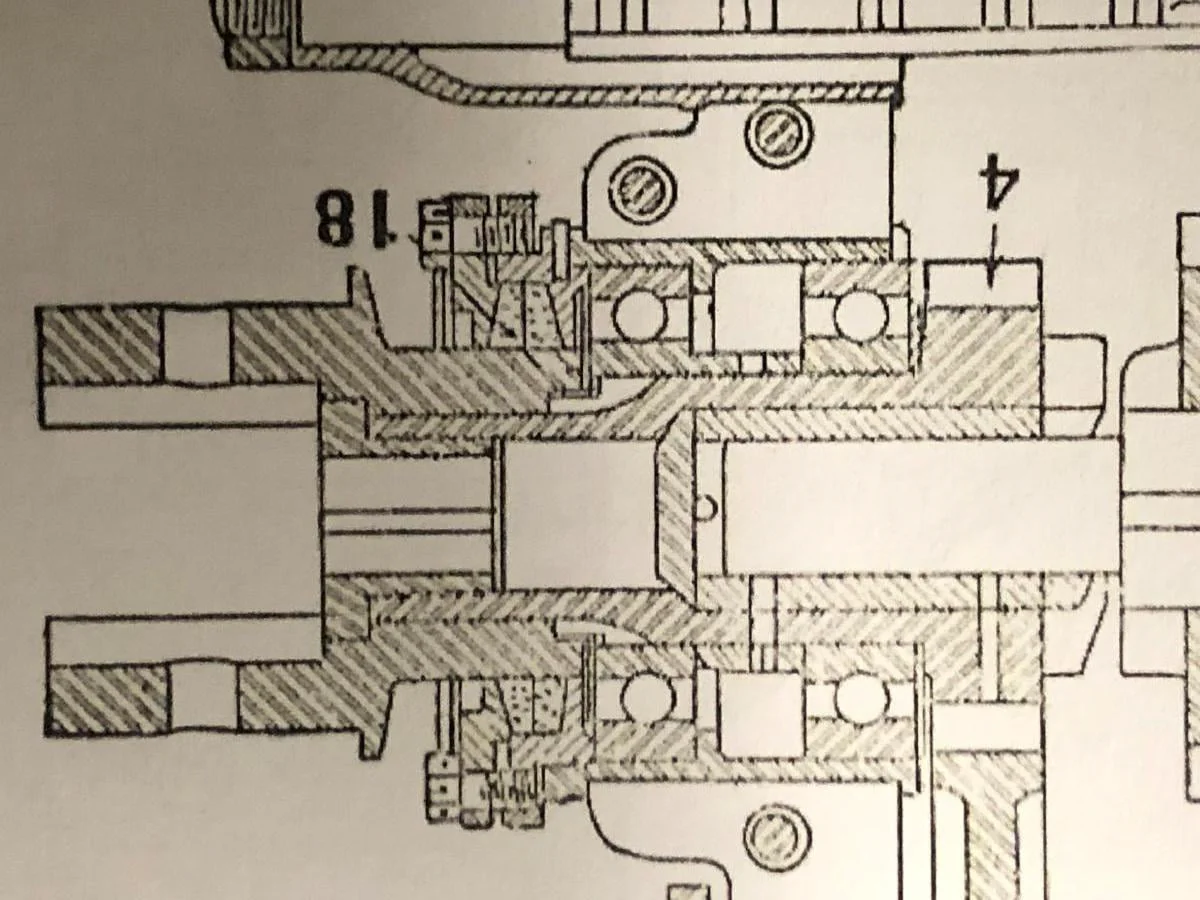
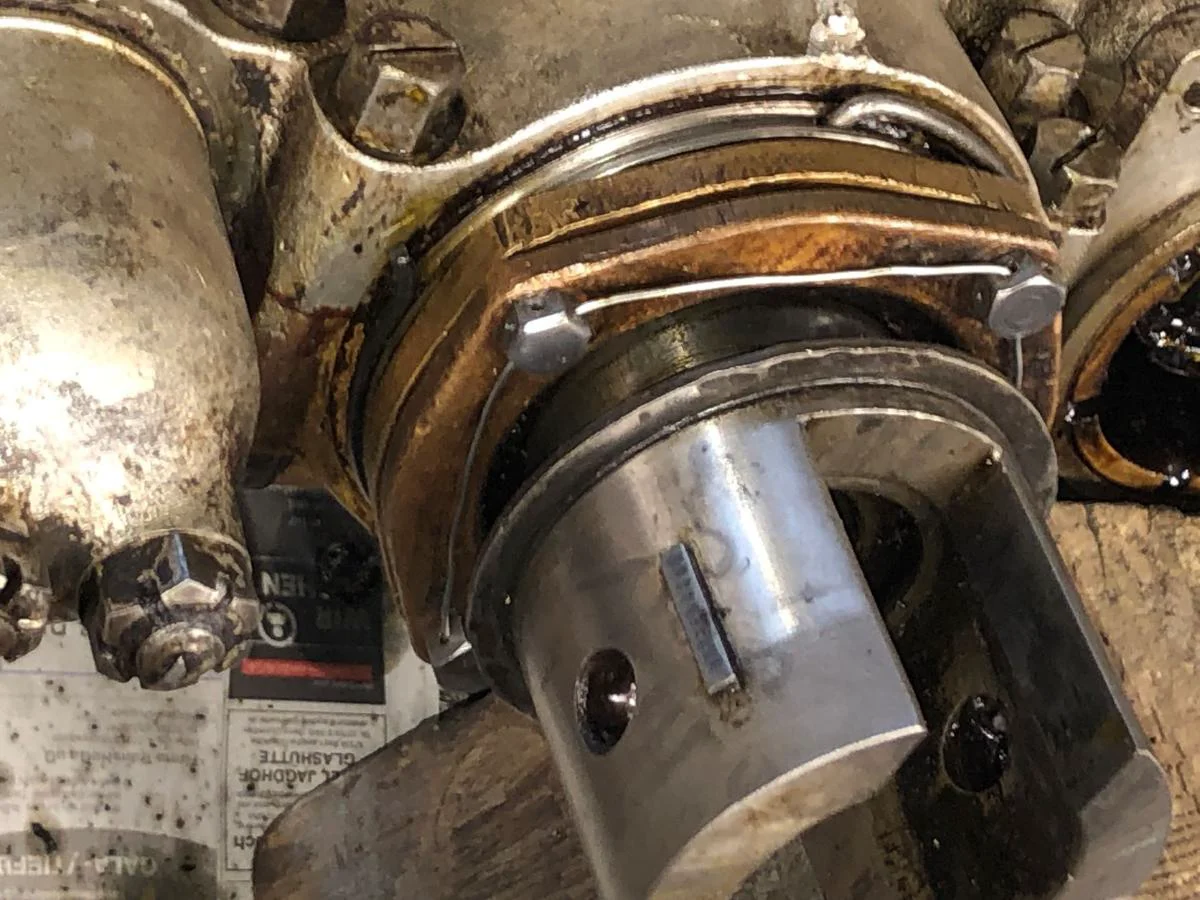
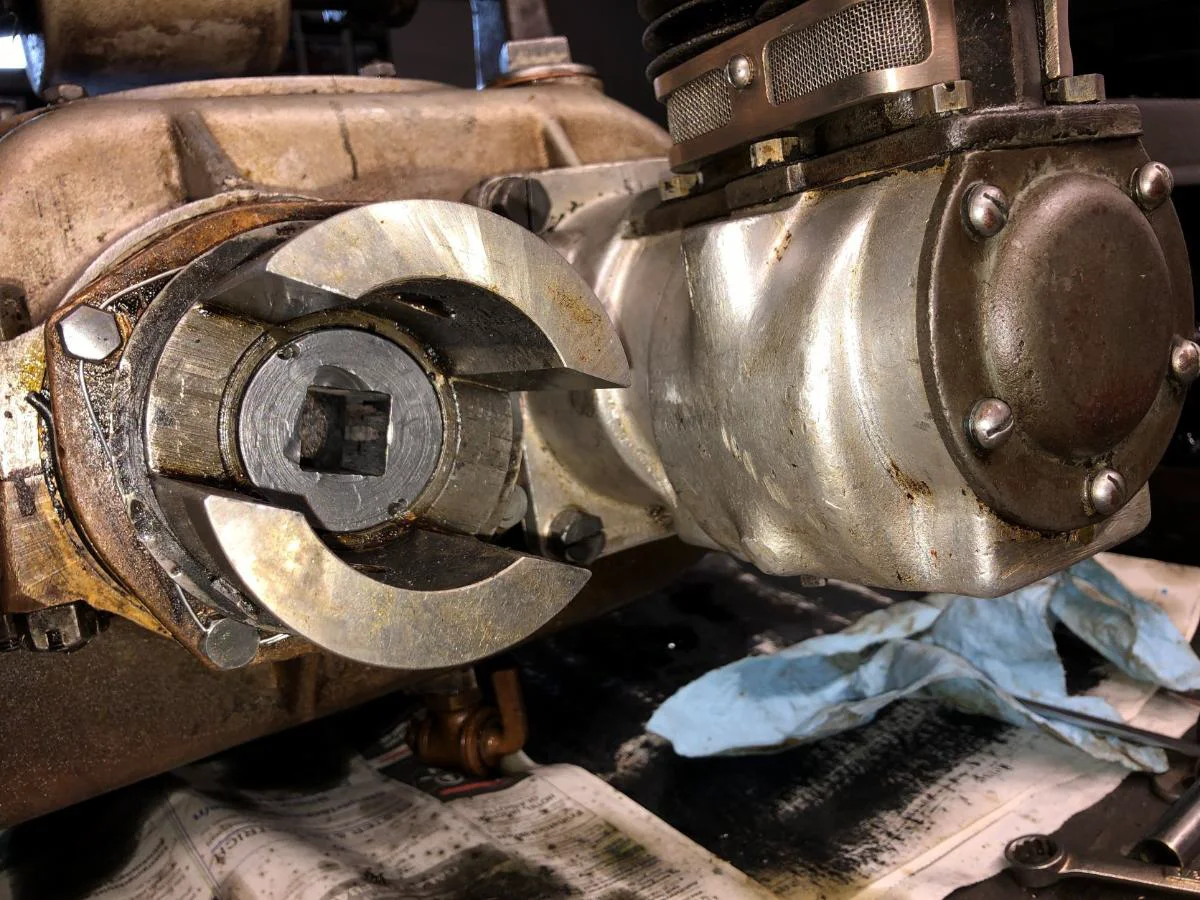
The other reason for leakage was the front seal assembly status: There are 4 bolts (5/16-20 tread) which squeeze the felt seal against the shaft by pulling the two brass parts together. These are supposed to be secured with wire, there are 3 holes drilled through each of their bolt heads. All four bolts were all very loose, one was a modern screw with shallow head without holes. As a third reason I found: There is another part screwed in between the bearing carrier and the two brass seal carriers mentioned before. It is secured with a large steel wire clip, its end is bent 90 degree and reaches through a locking hole into the inner part. This part was loose, too, I could tighten it by nearly 180 degree!
==> No wonder the "grease leaked".
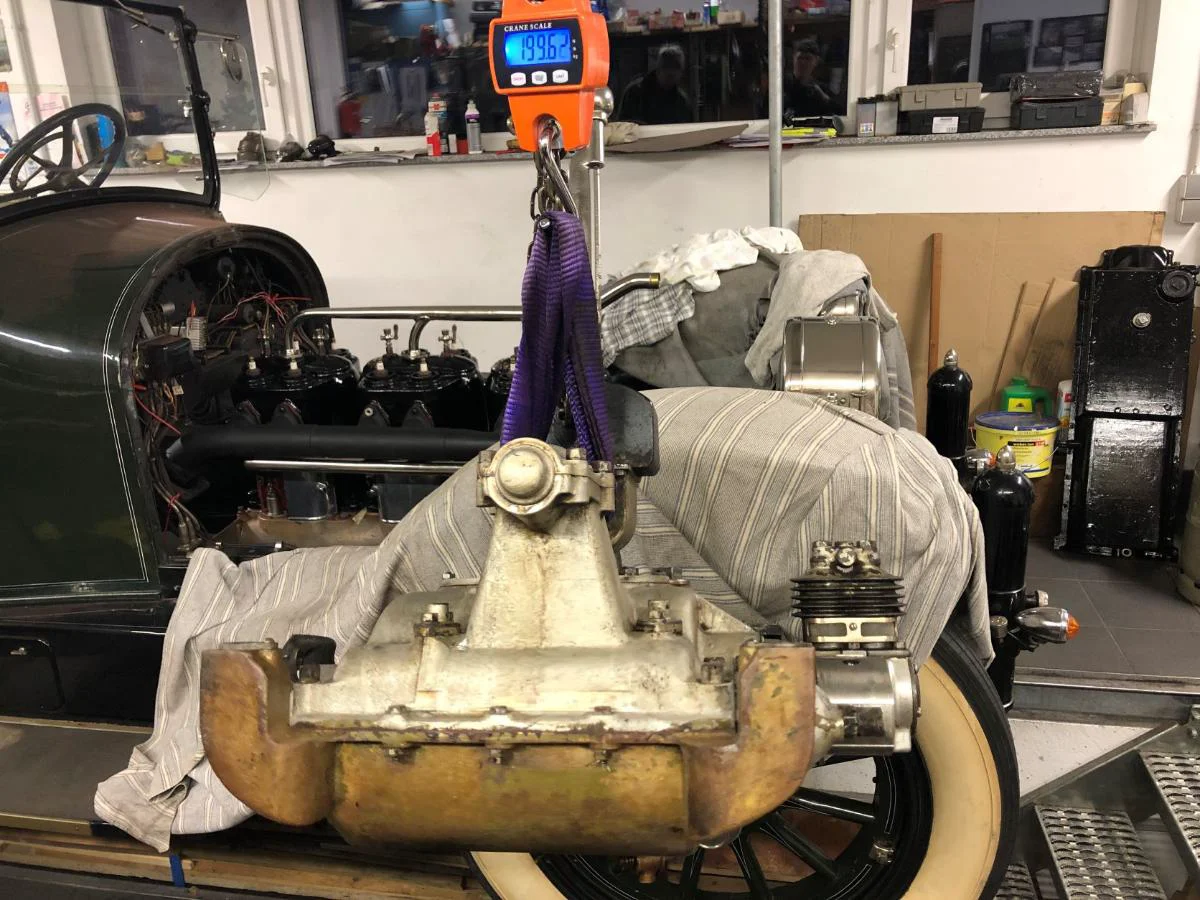
I removed the transmission from the car for better access. Because it is an open car, the use of an overhead crane was convenient. The weight of the transmission is nearly exactly 200 lbs. It is bolted under the chassis cross members with four bolts, 1/2"x20TPI. The two bolts in the front are a bit longer than in the rear, with one longer and one shorter nut, for allowing it to drop a bit, for clearing the upper 2 of the 4 bolts of the air compressor.
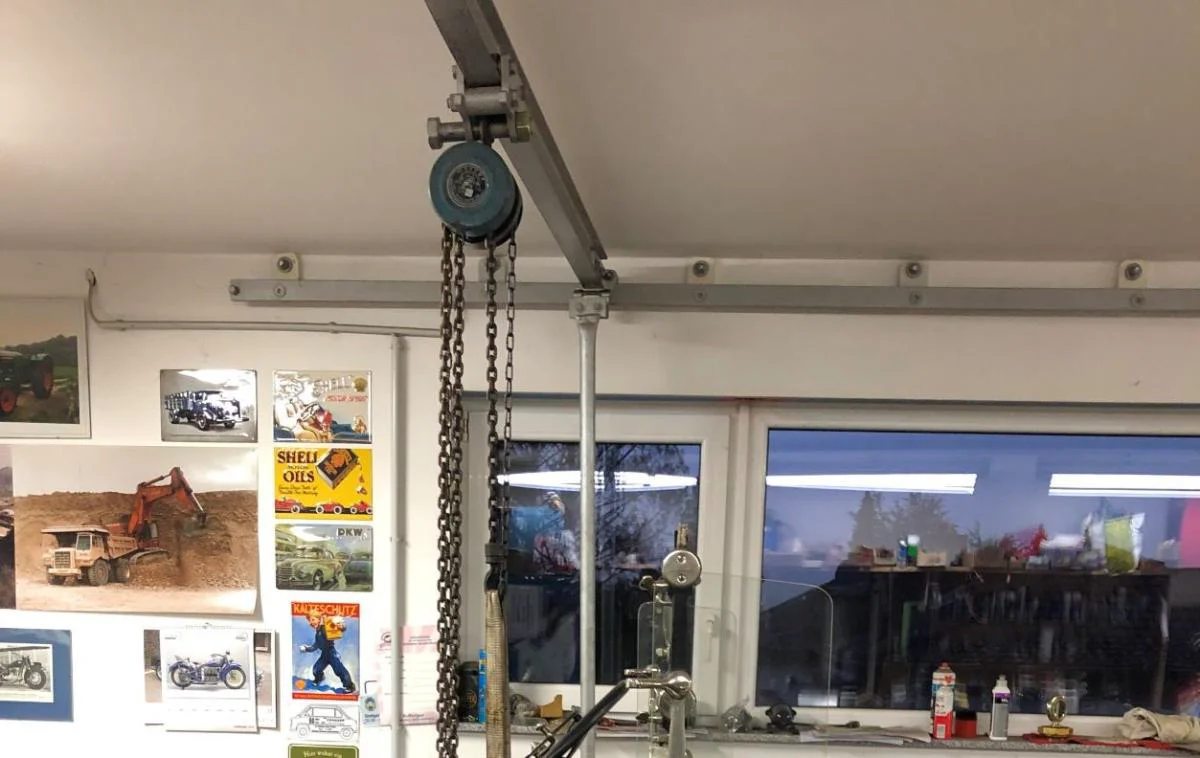
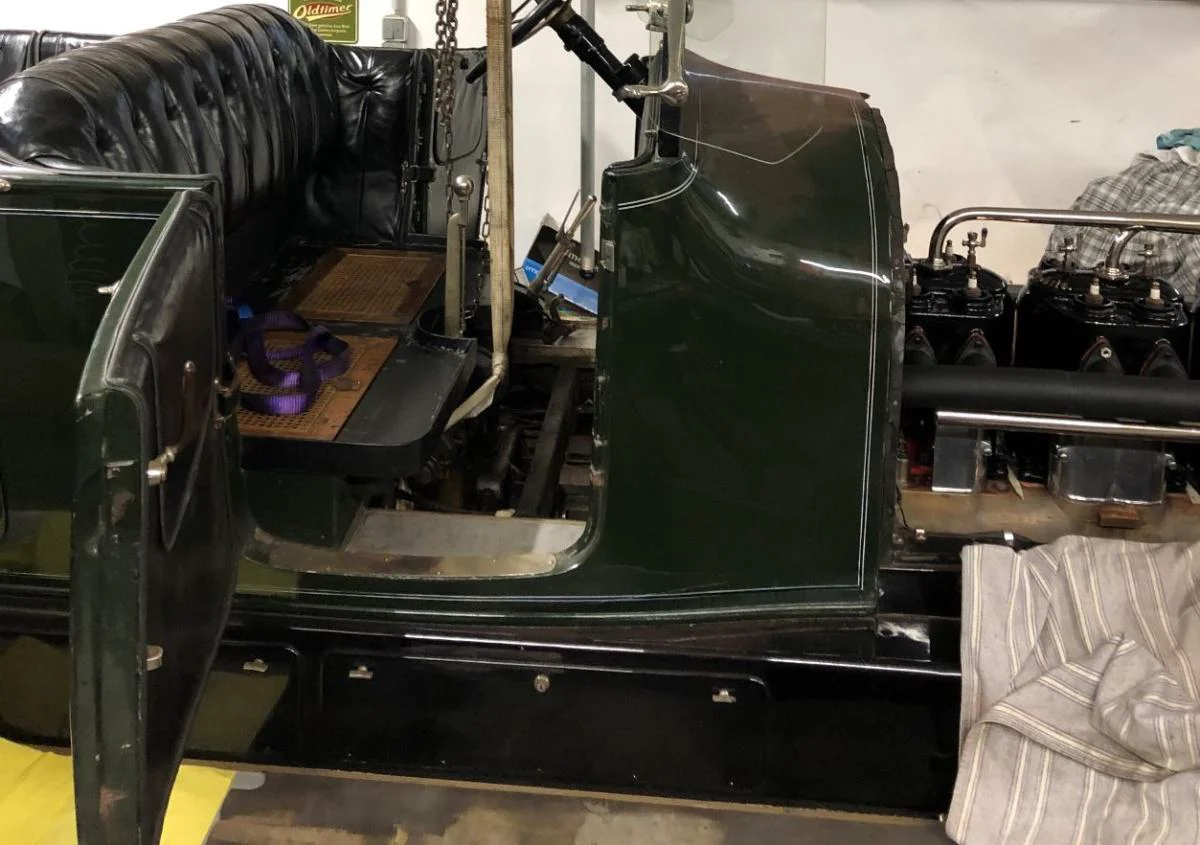
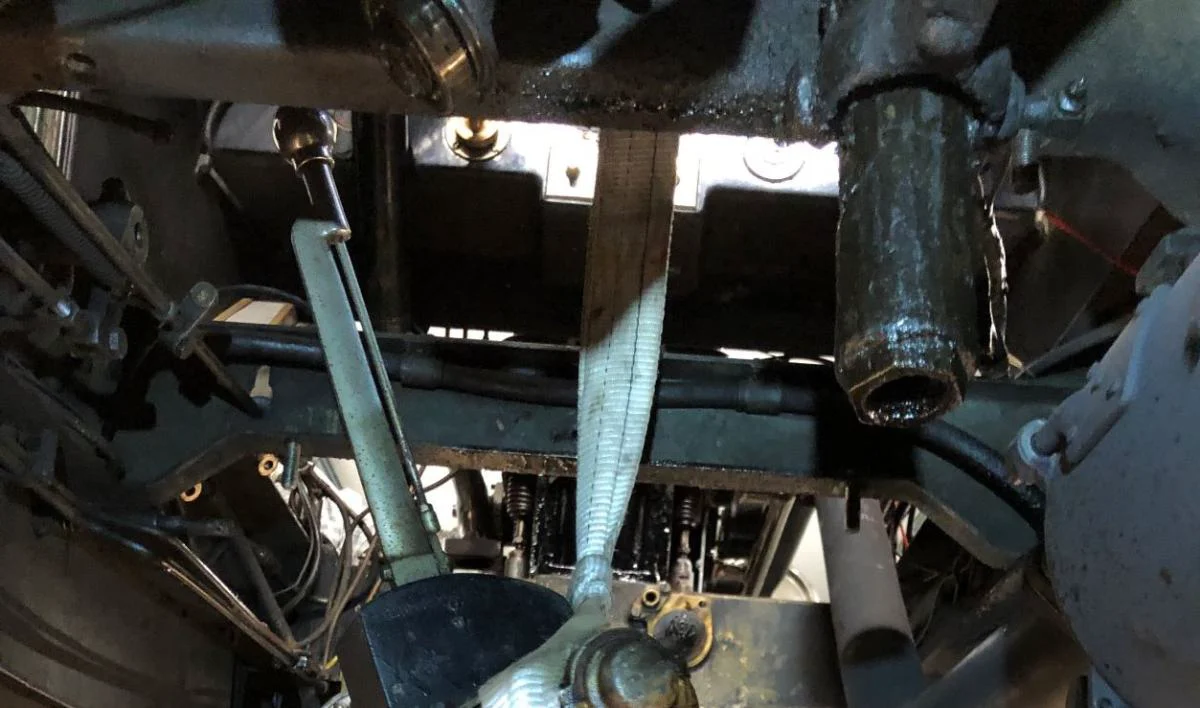
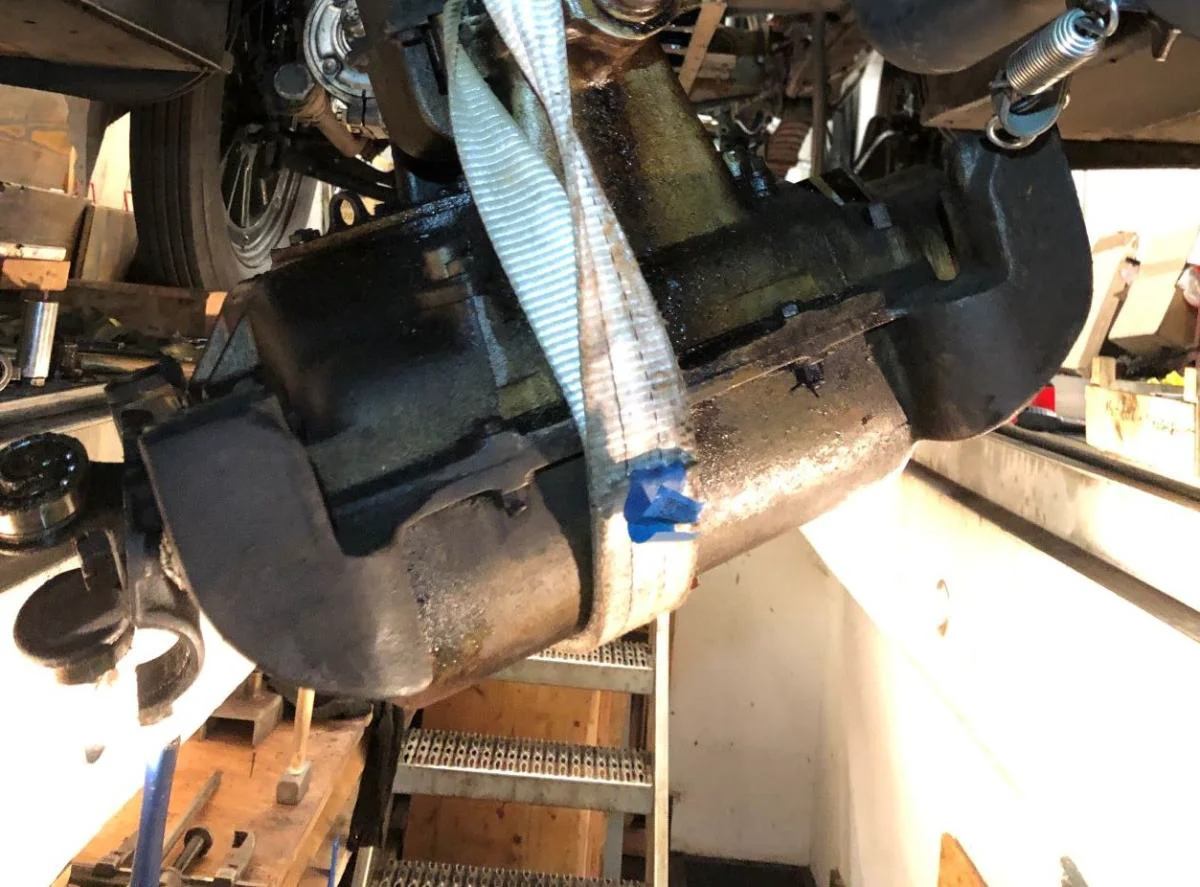
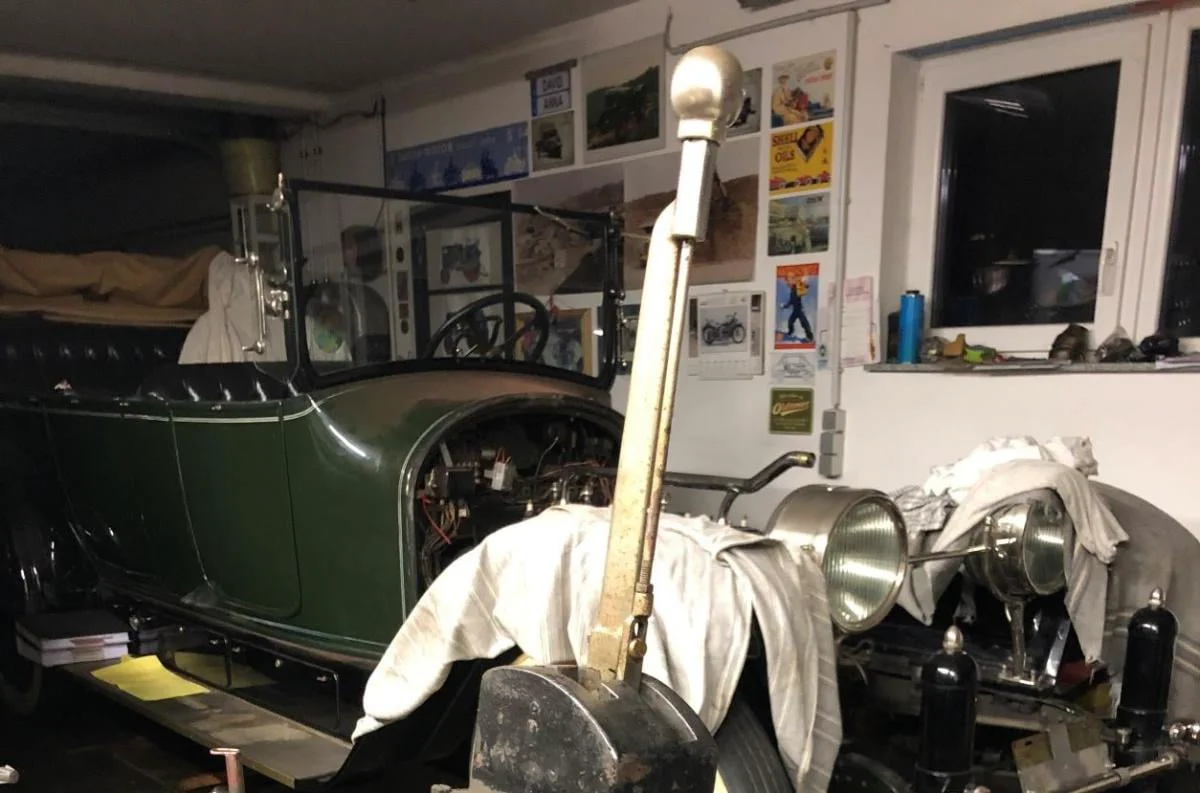
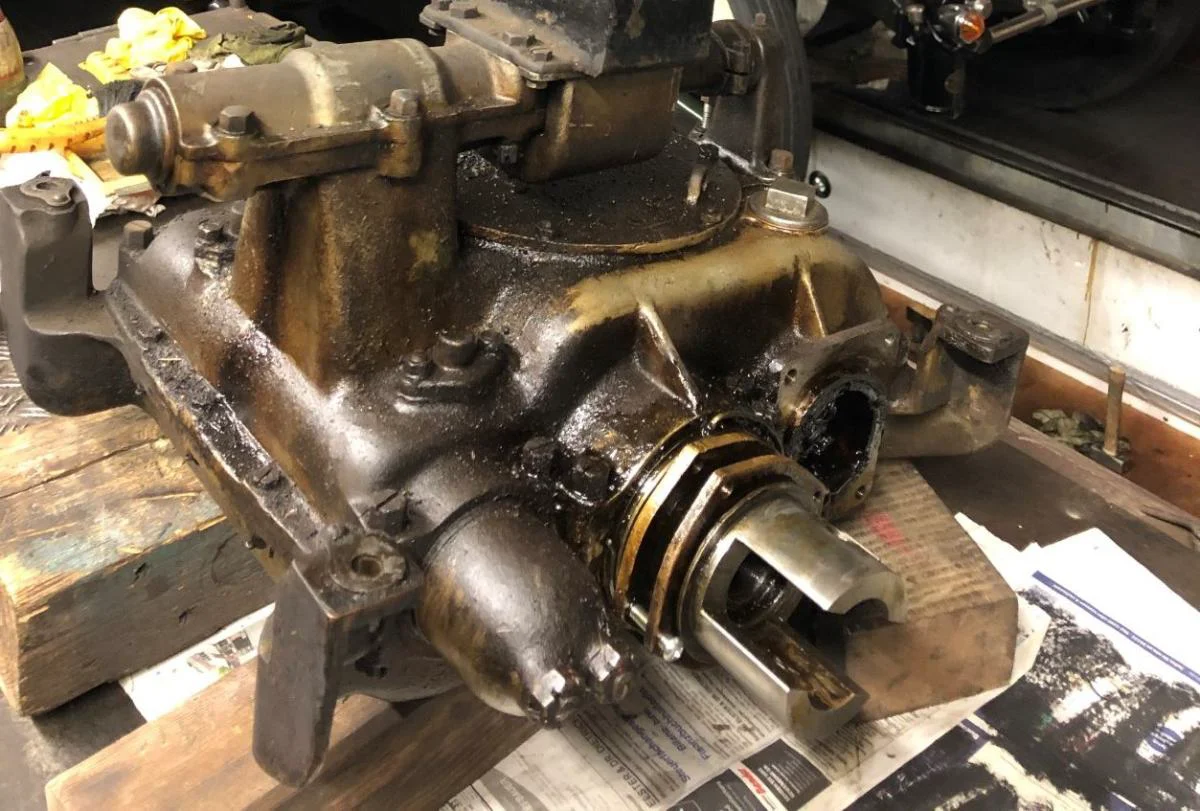
My main target was checking the input shaft seal, because some grease had come out. One of the four bolts for tightening the front packing (felt seal) was incorrect, it was not assembled properly. I also wanted to check and lubricate the air compressor before using it for the first time, the propeller shaft bearings required new grease, and generally cleaning works.
Here you see the four bolts which hold the transmission under the chassis.
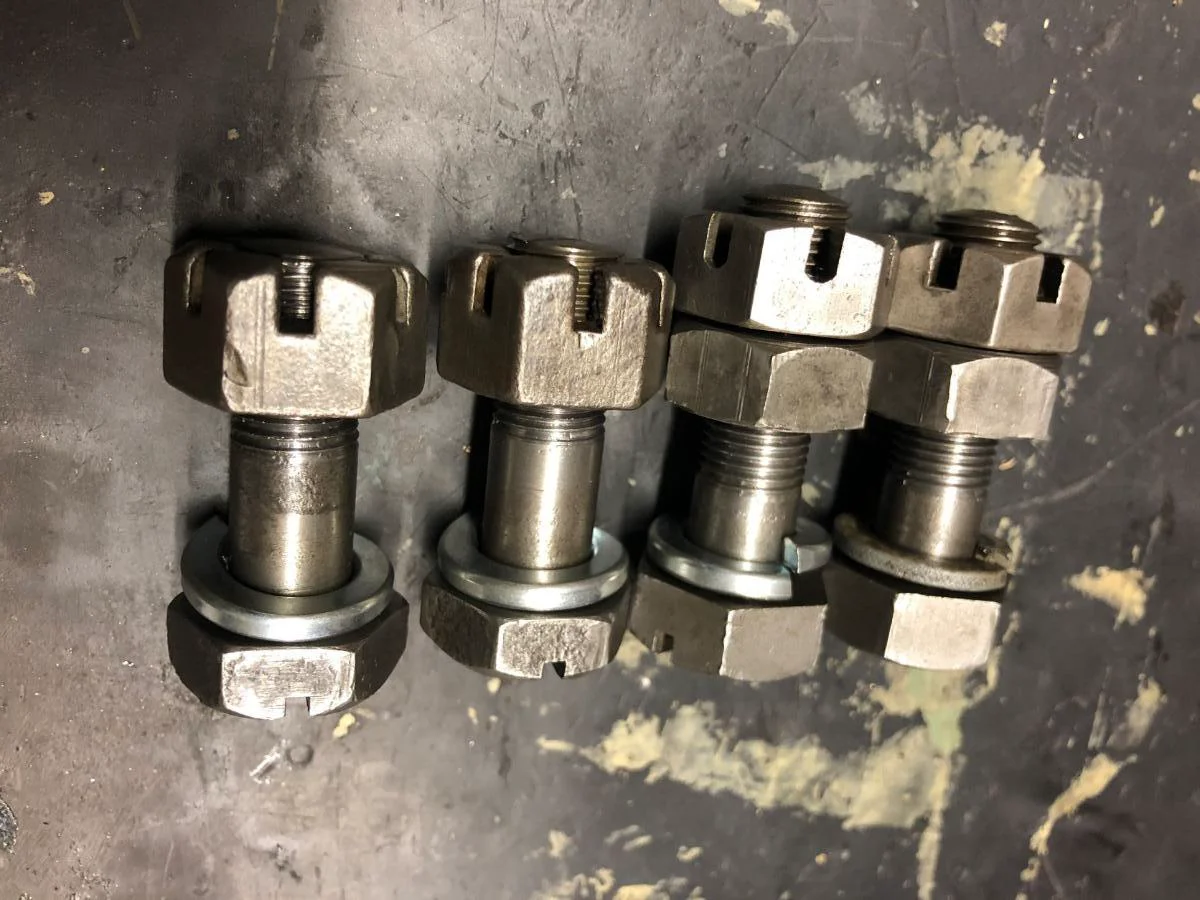
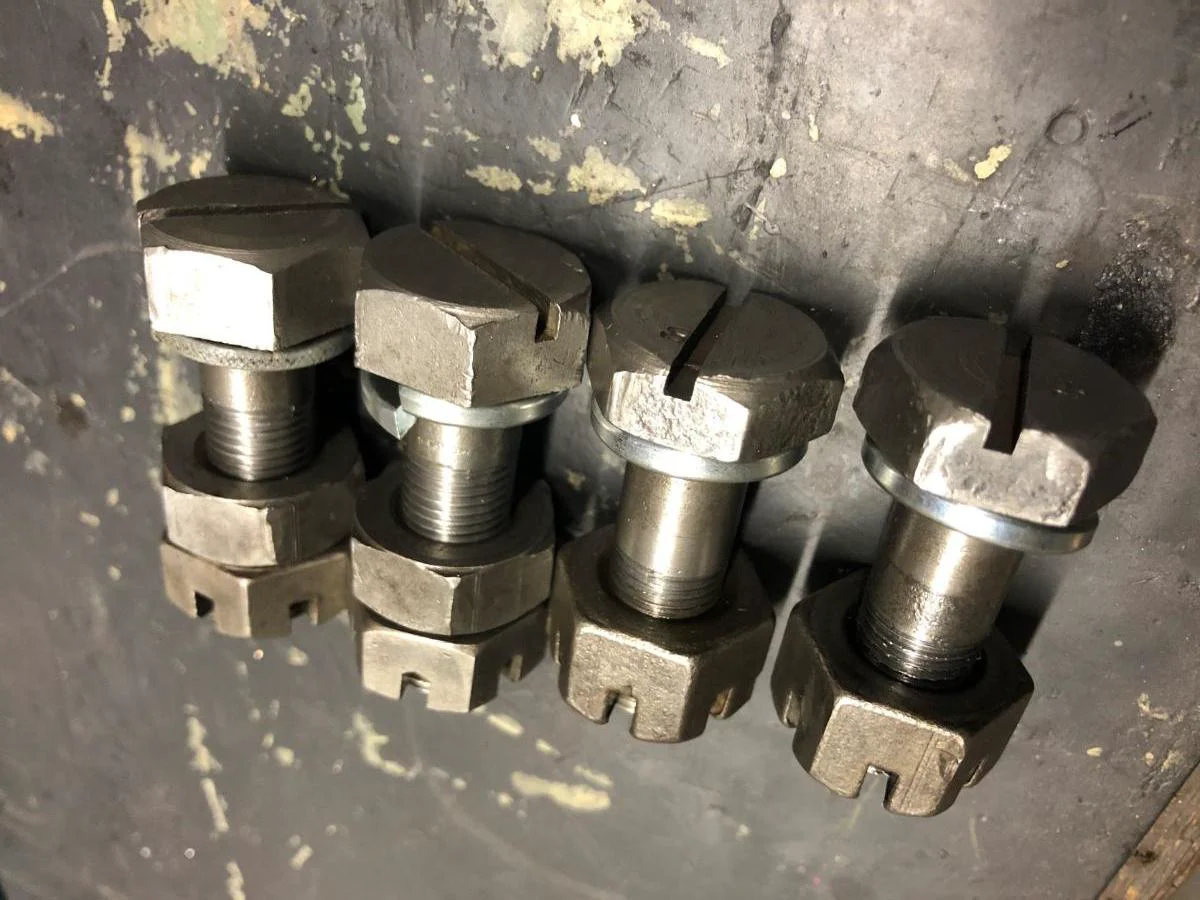
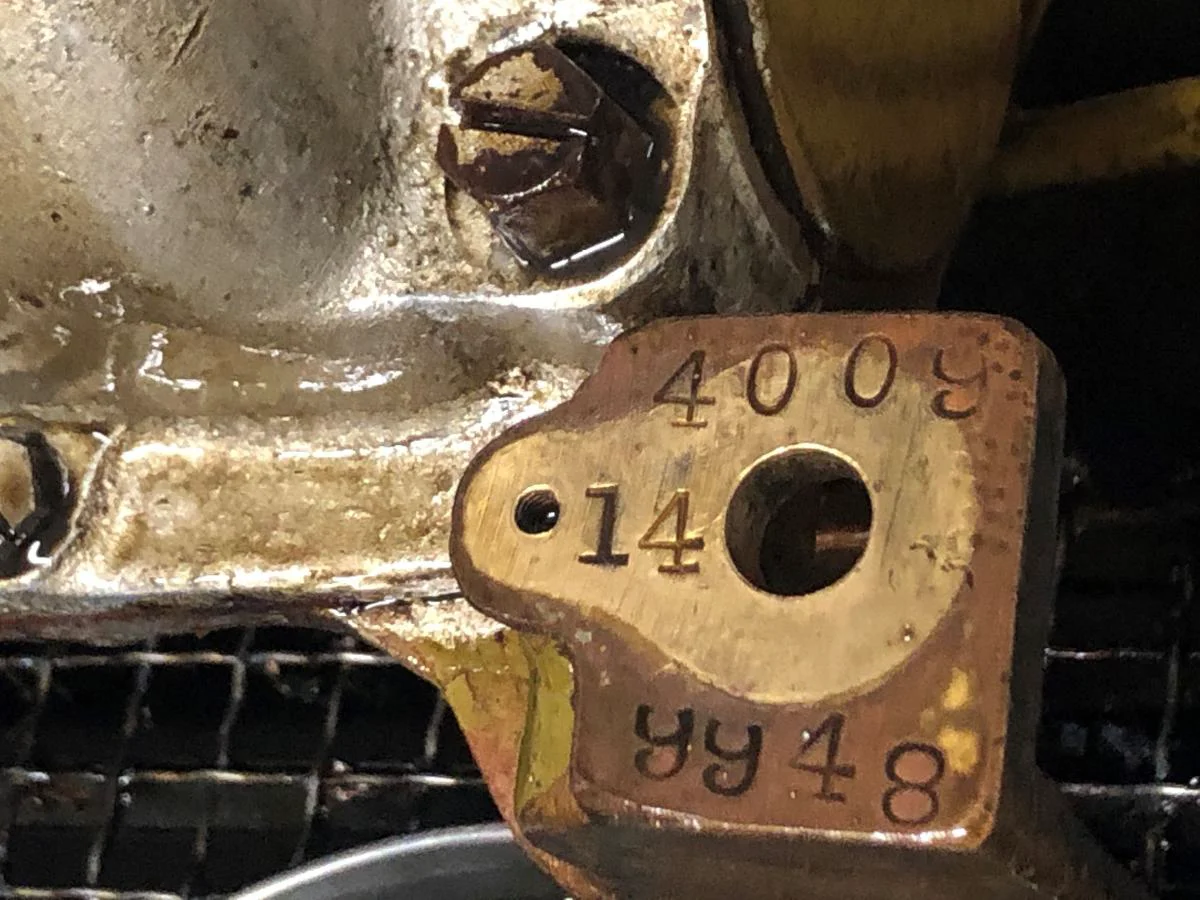
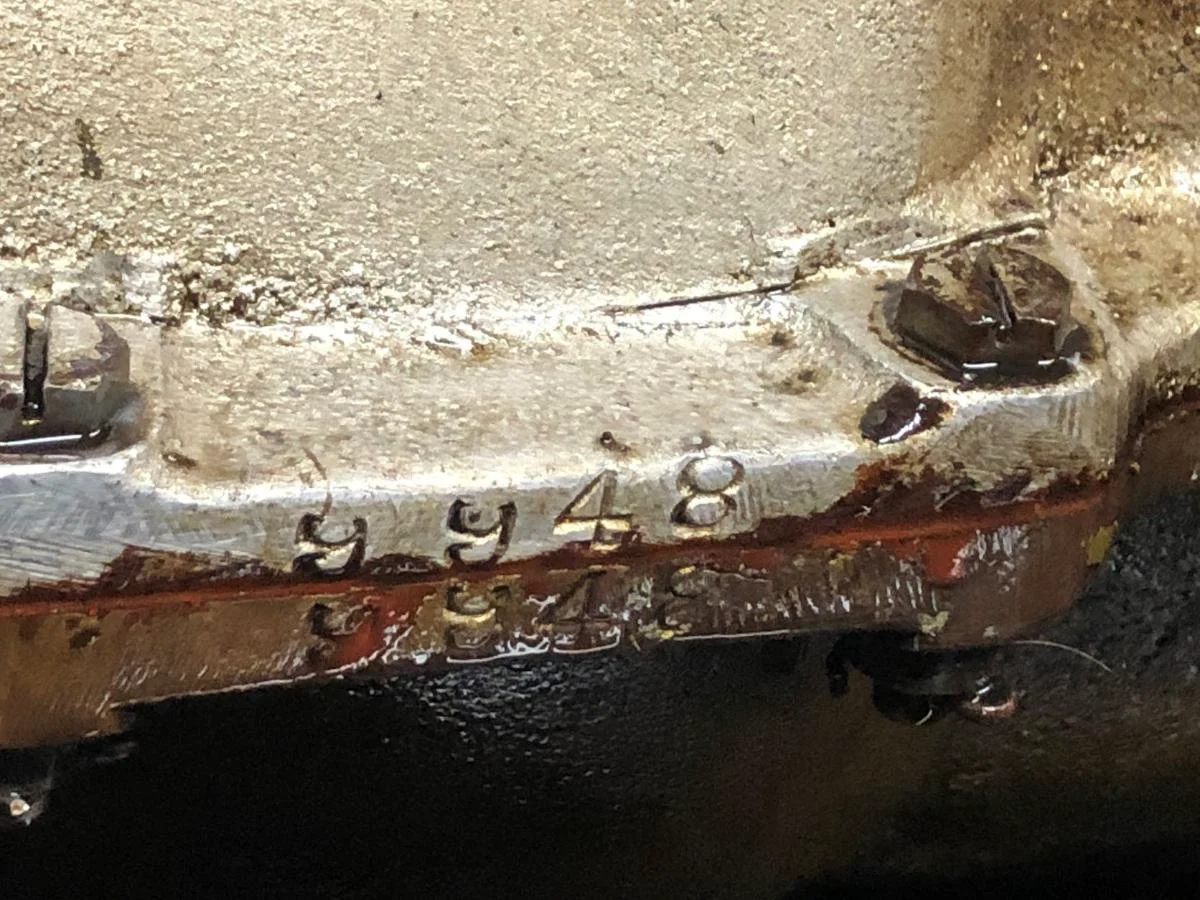
There are shims of different thickness attached on each of the four mounting points, stamped 1-2-3-4 for correct allocation. I assume this is done for perfect alignment while compensation tolerances in the chassis cross members.
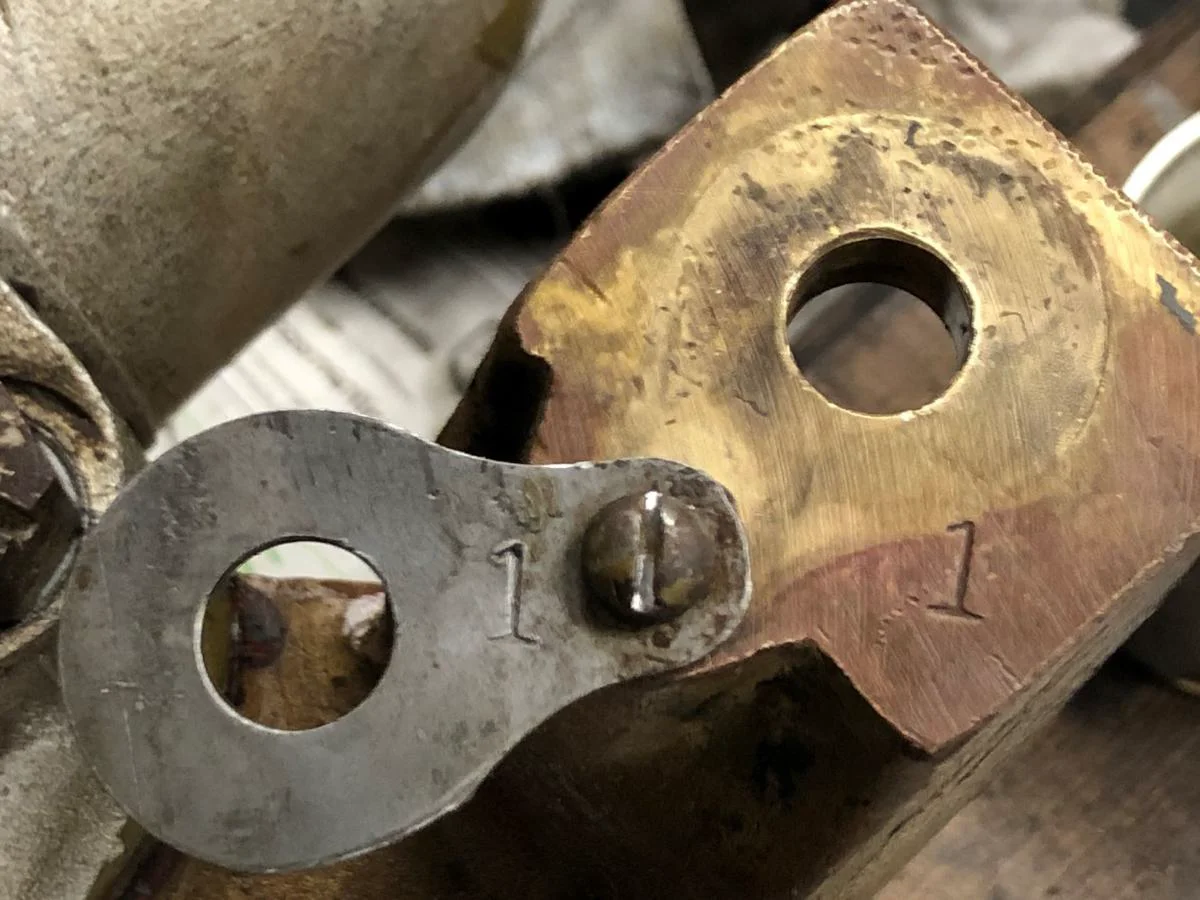
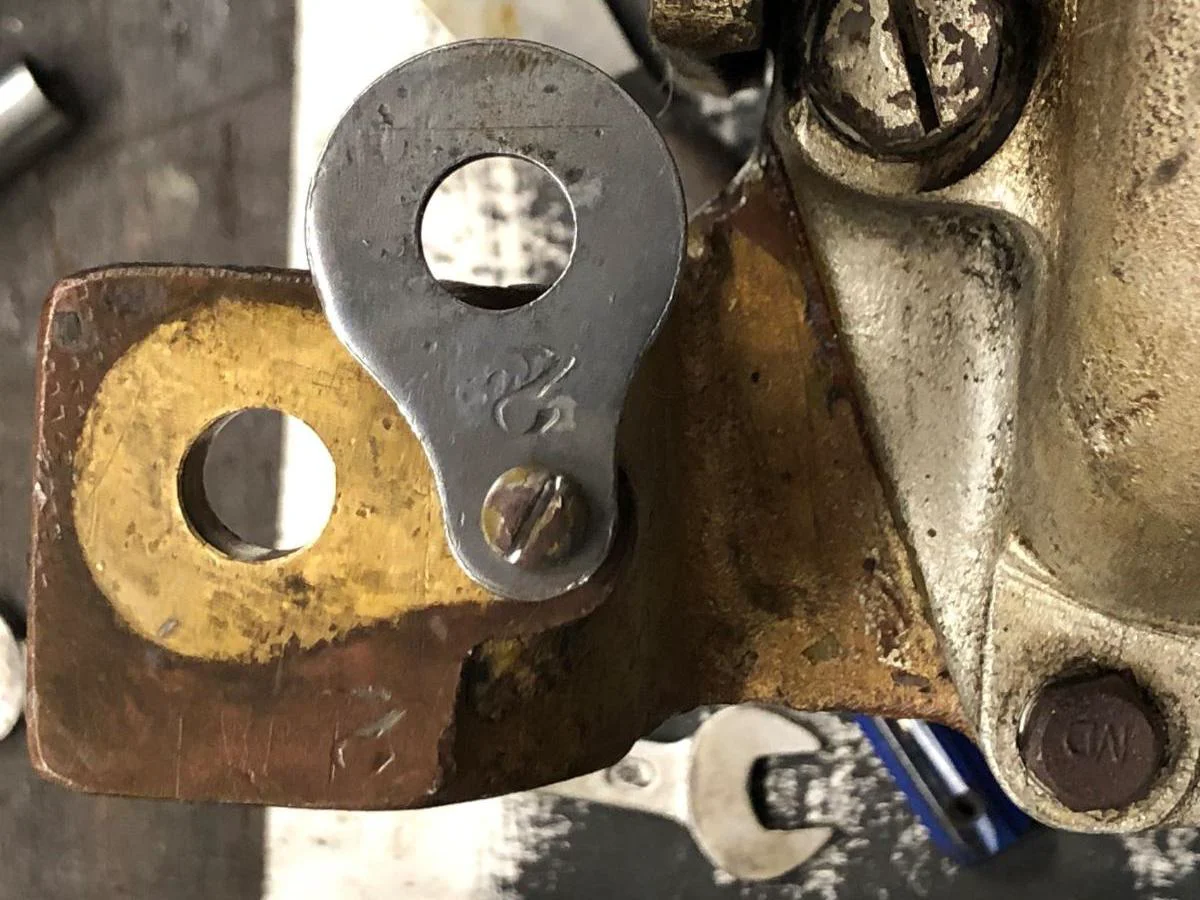
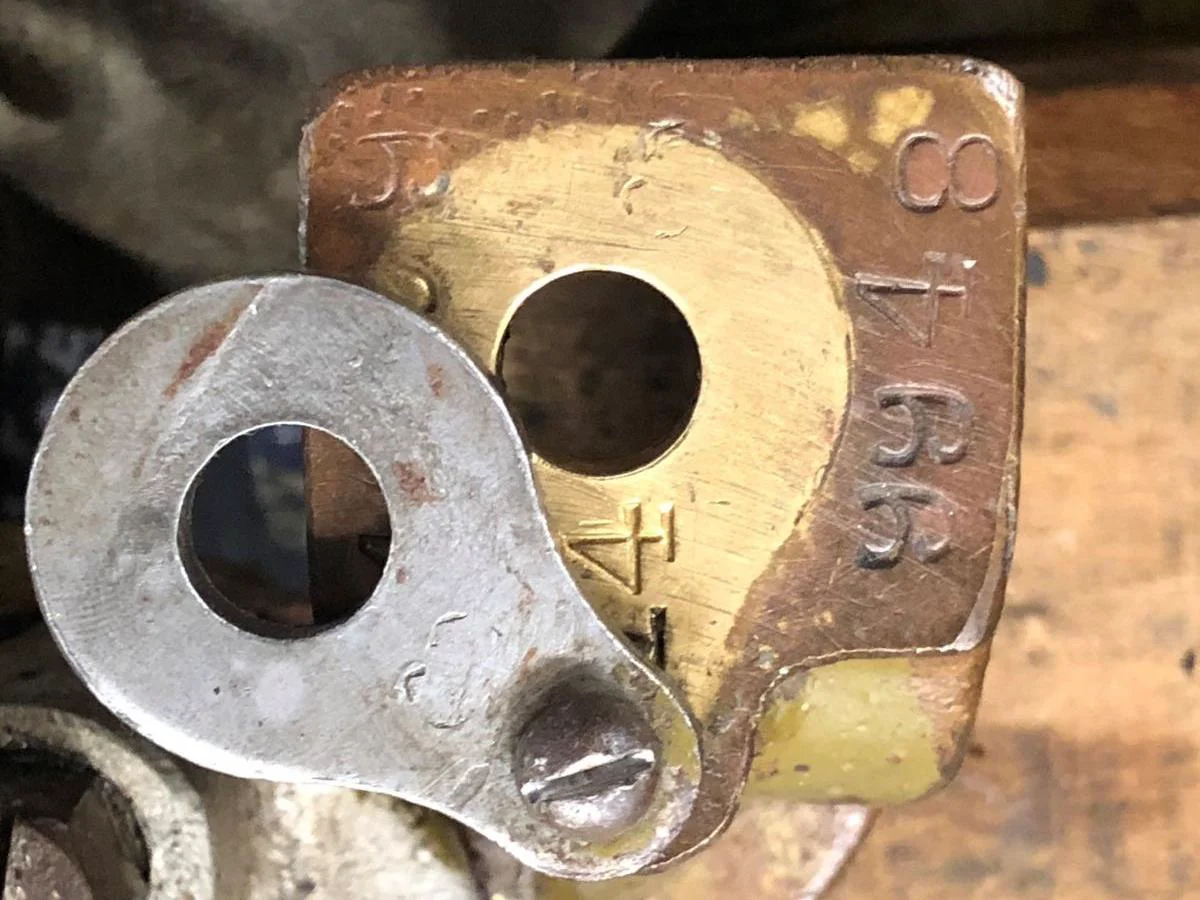
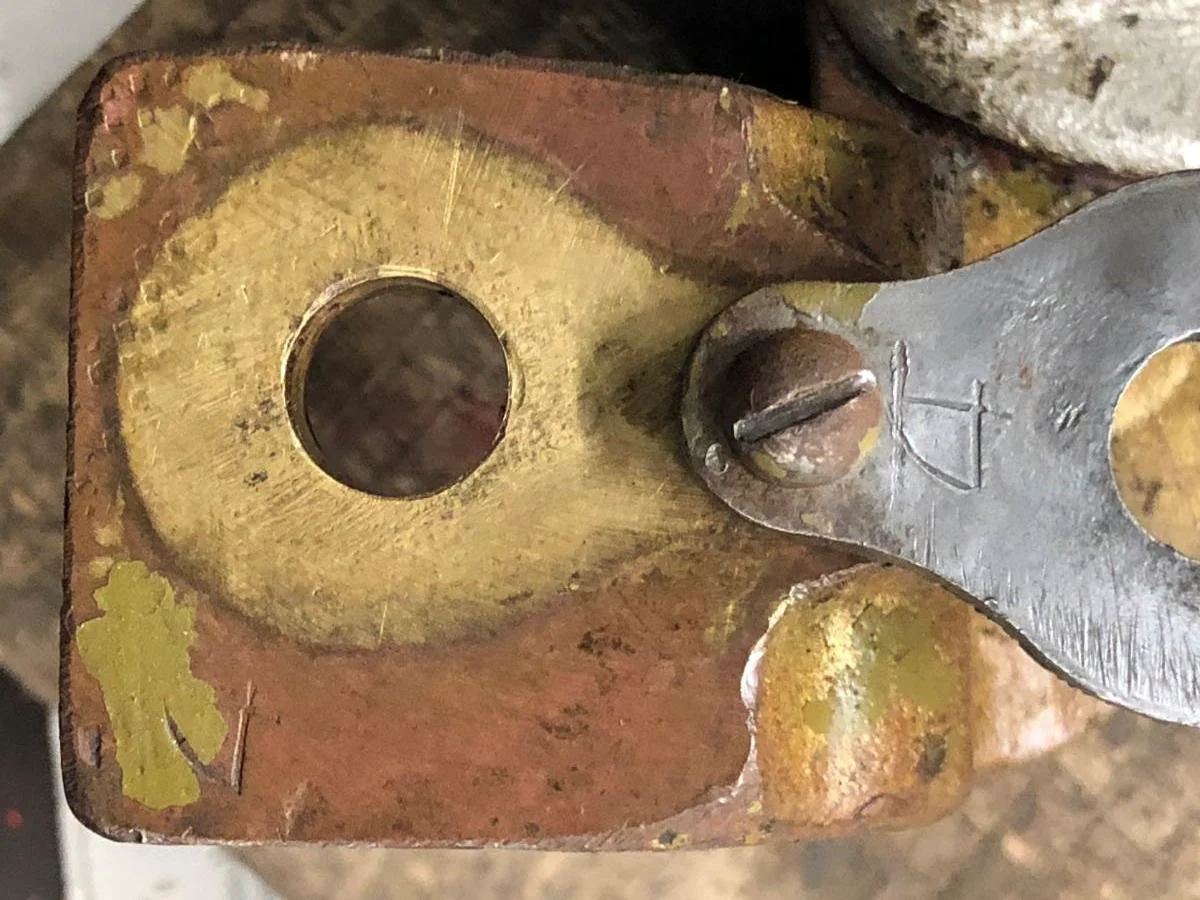
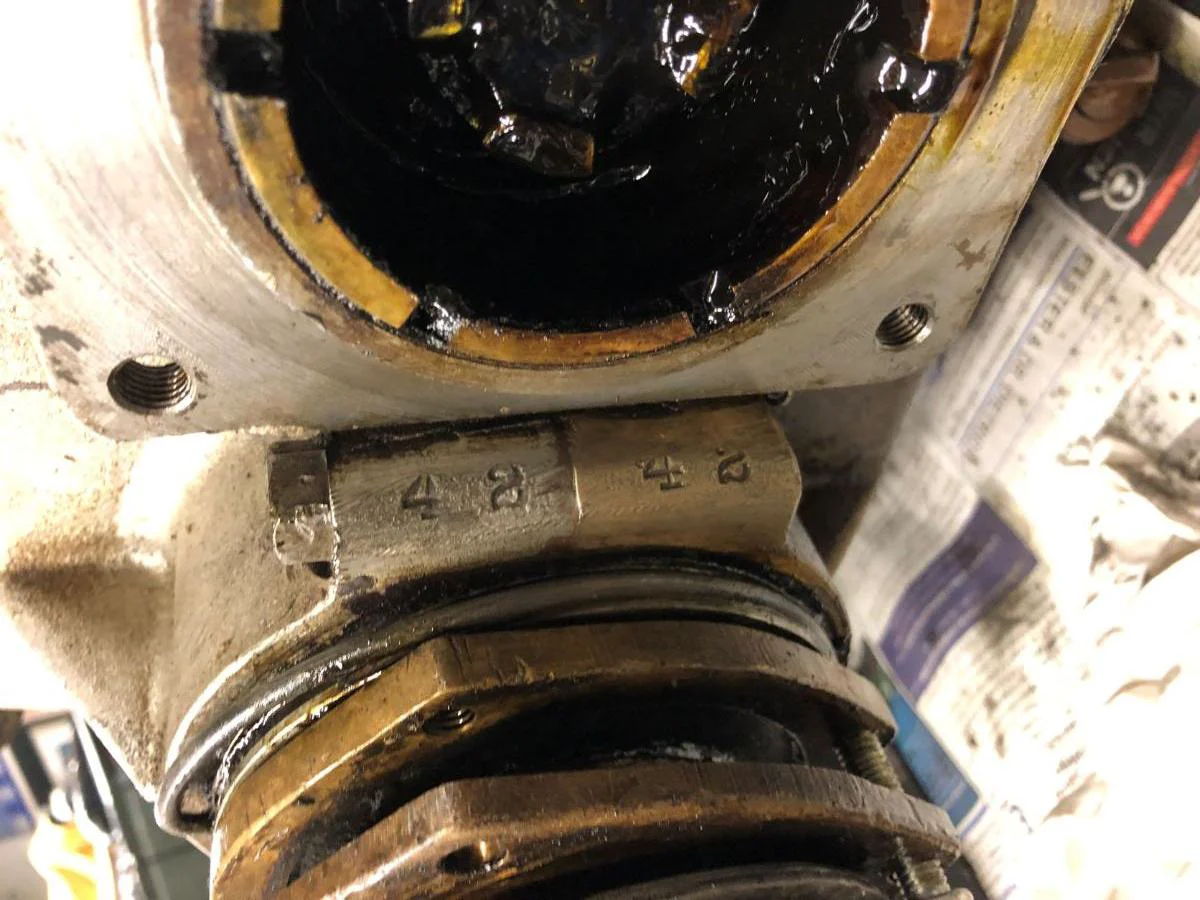
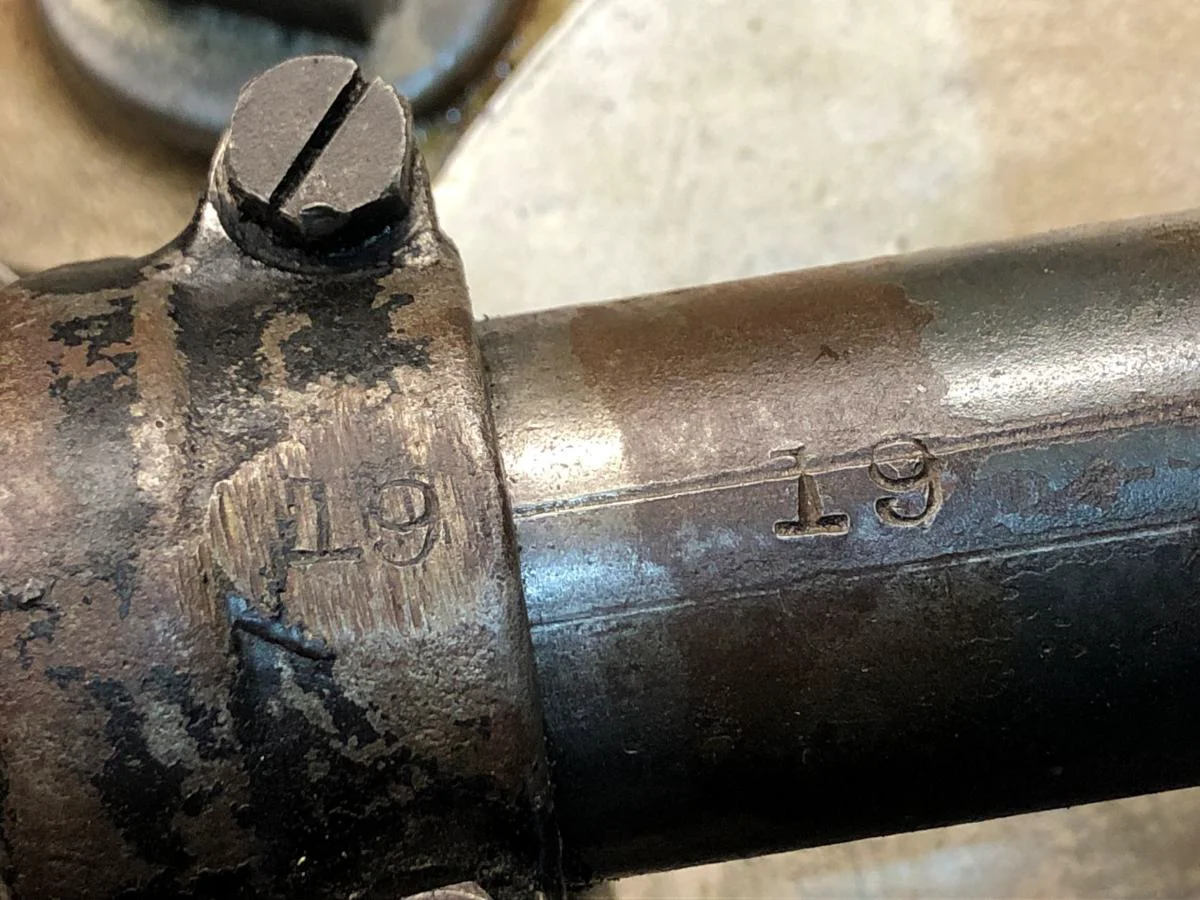
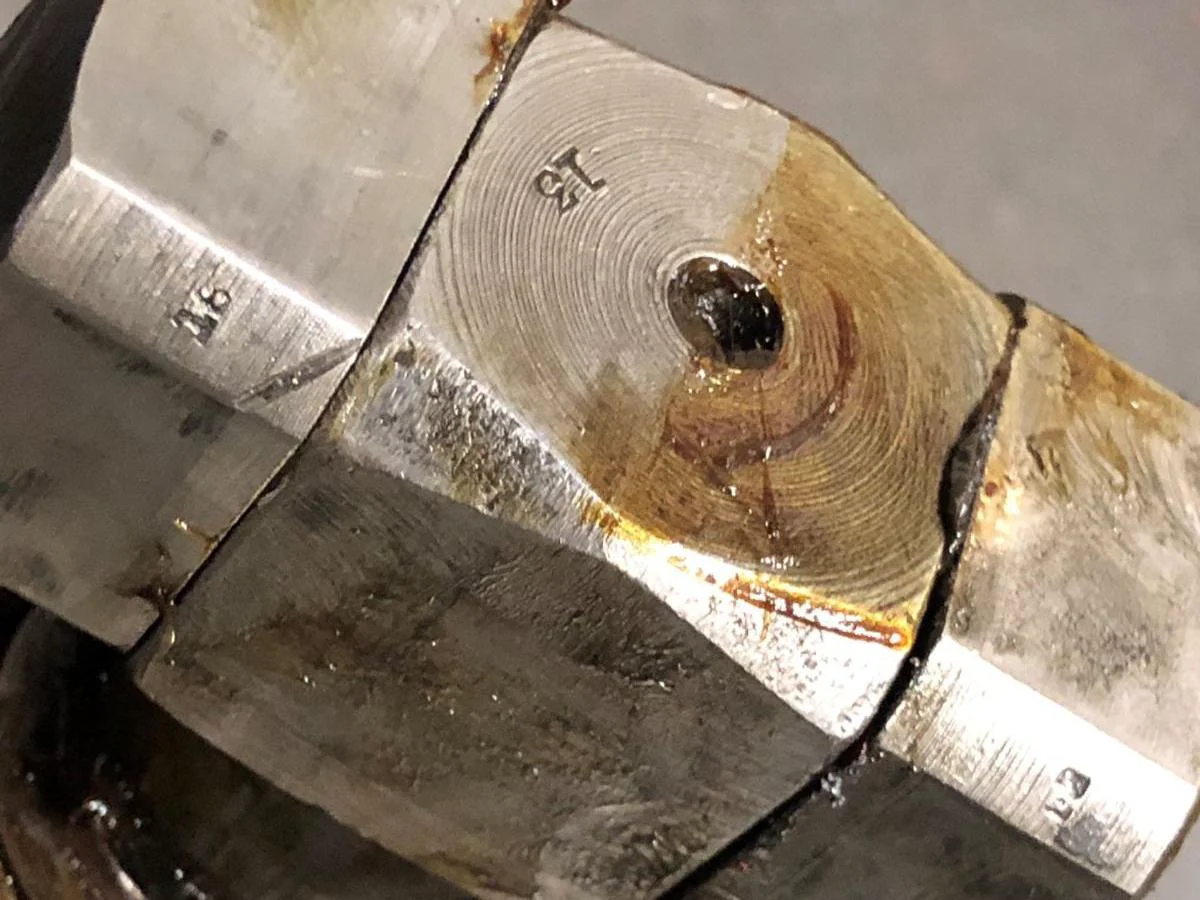
There is the number 19 stamped into four different components of the shifting mechanism, this could be an assembly number?
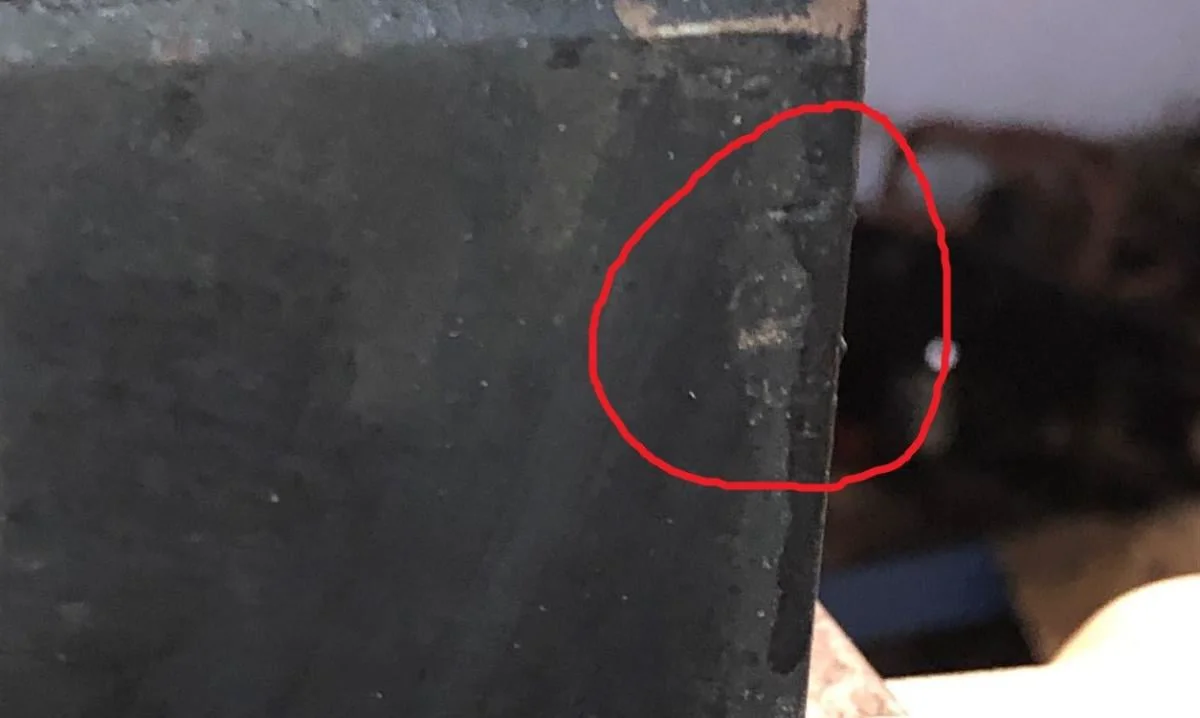
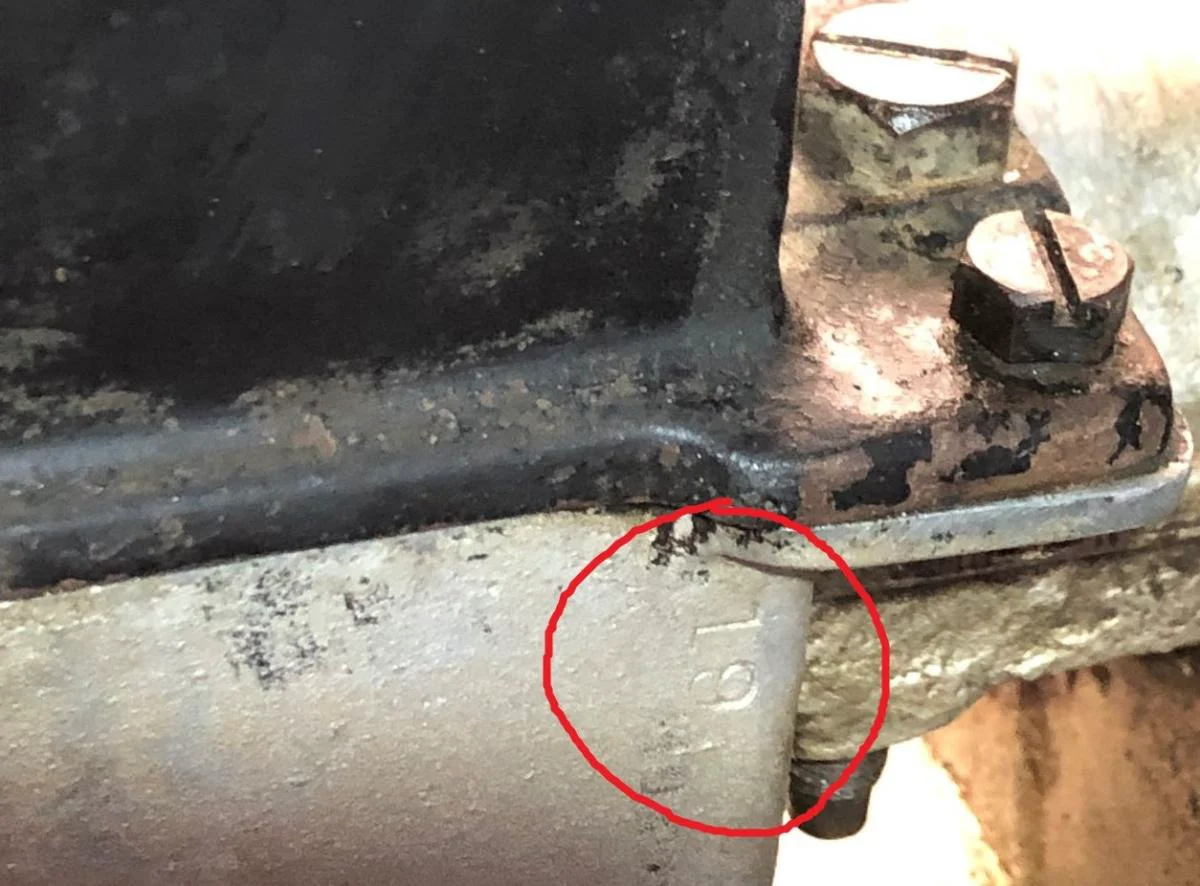
Here you see how I made the fourth bolt for the felt seal carrier, also drilling the new hole for the securing spring wire clip.
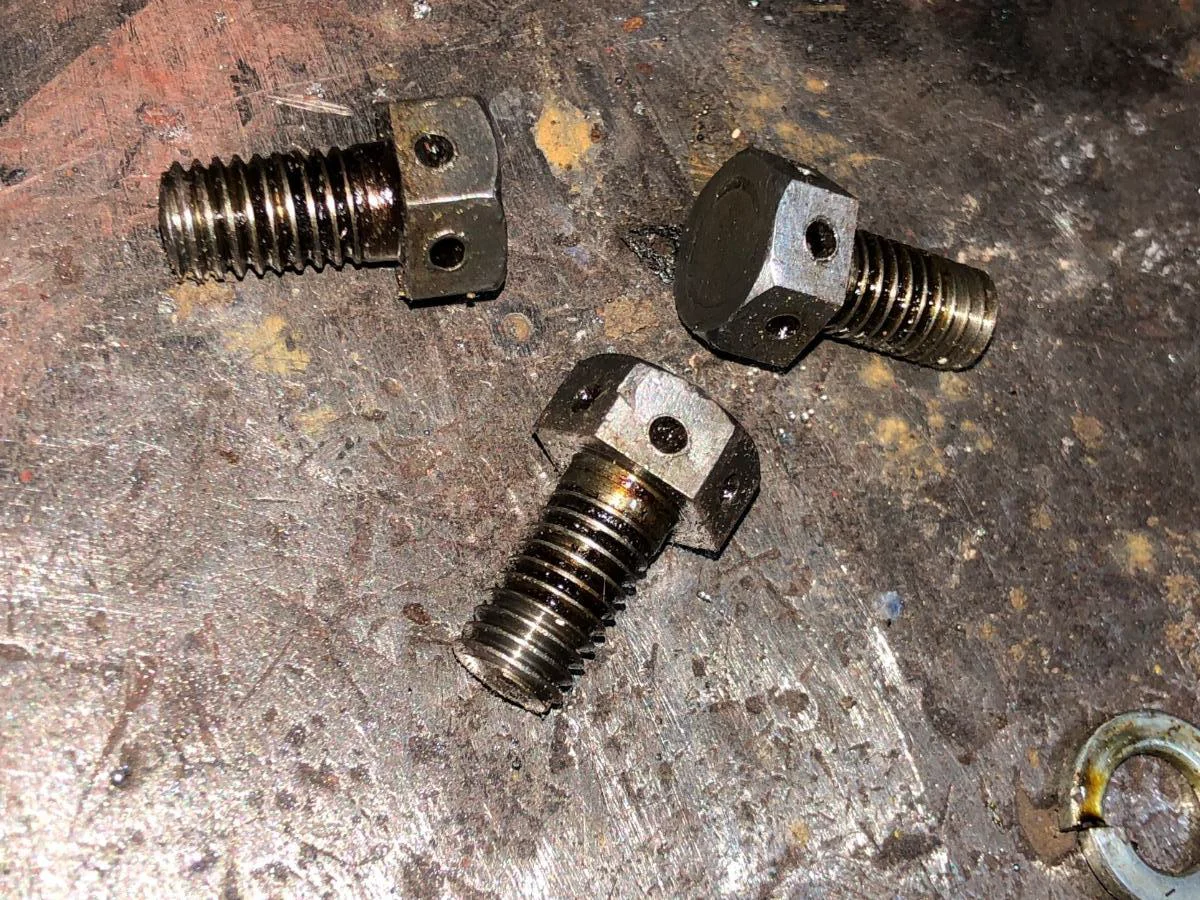
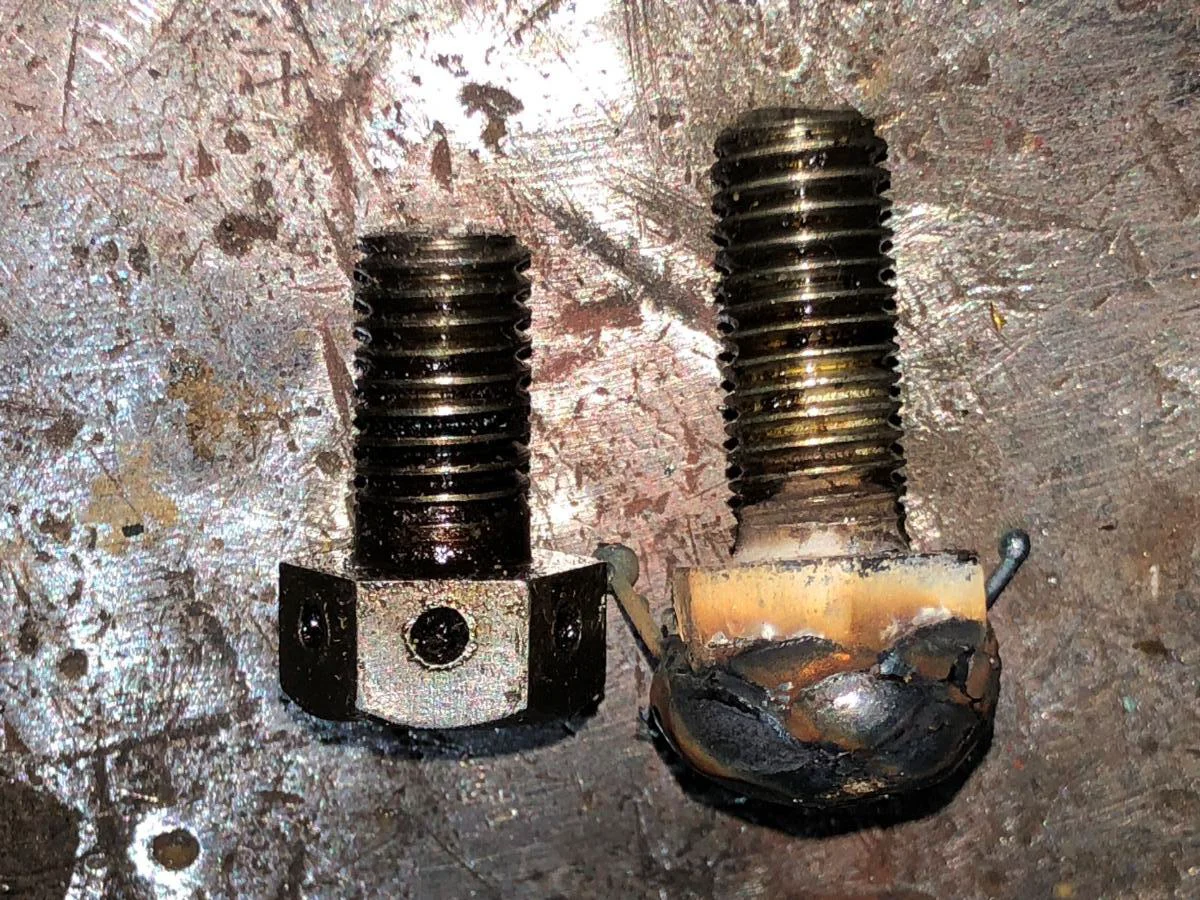
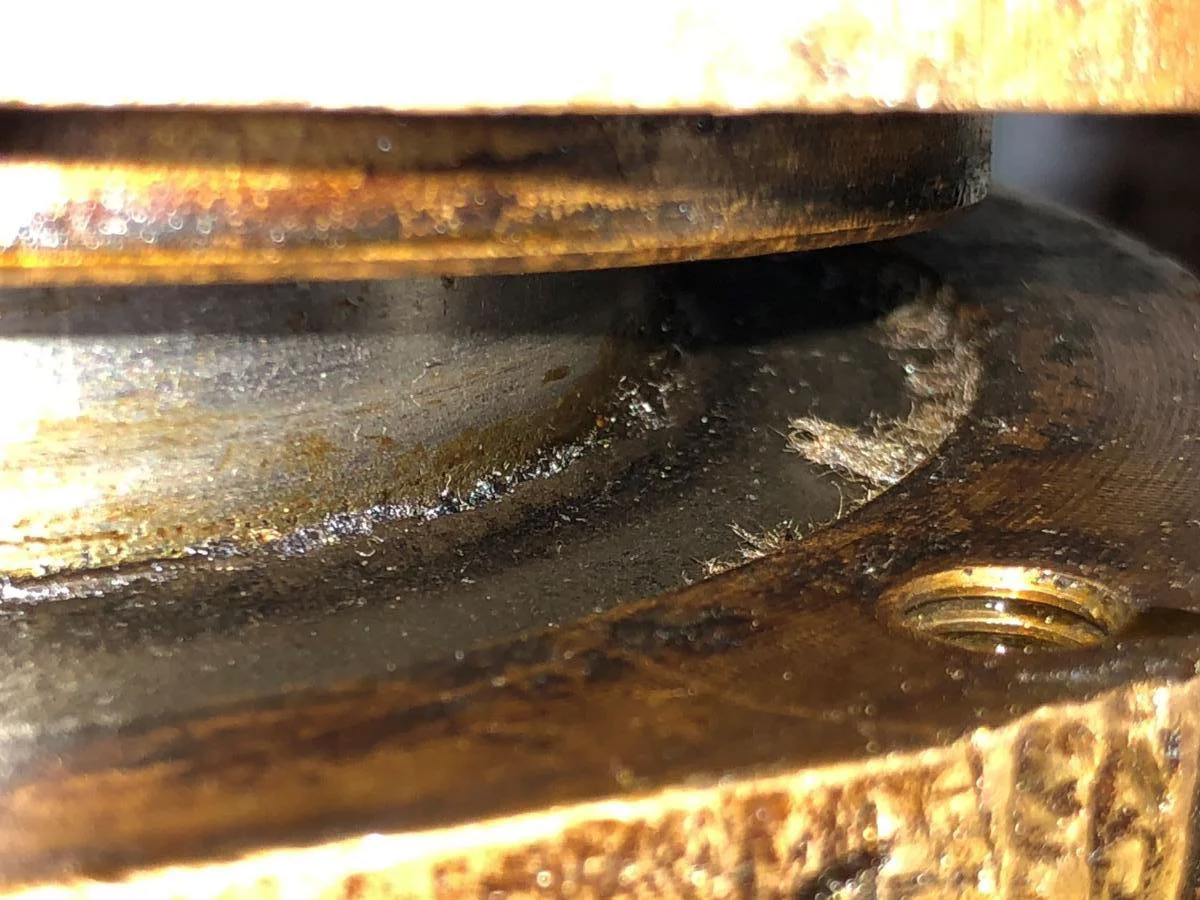
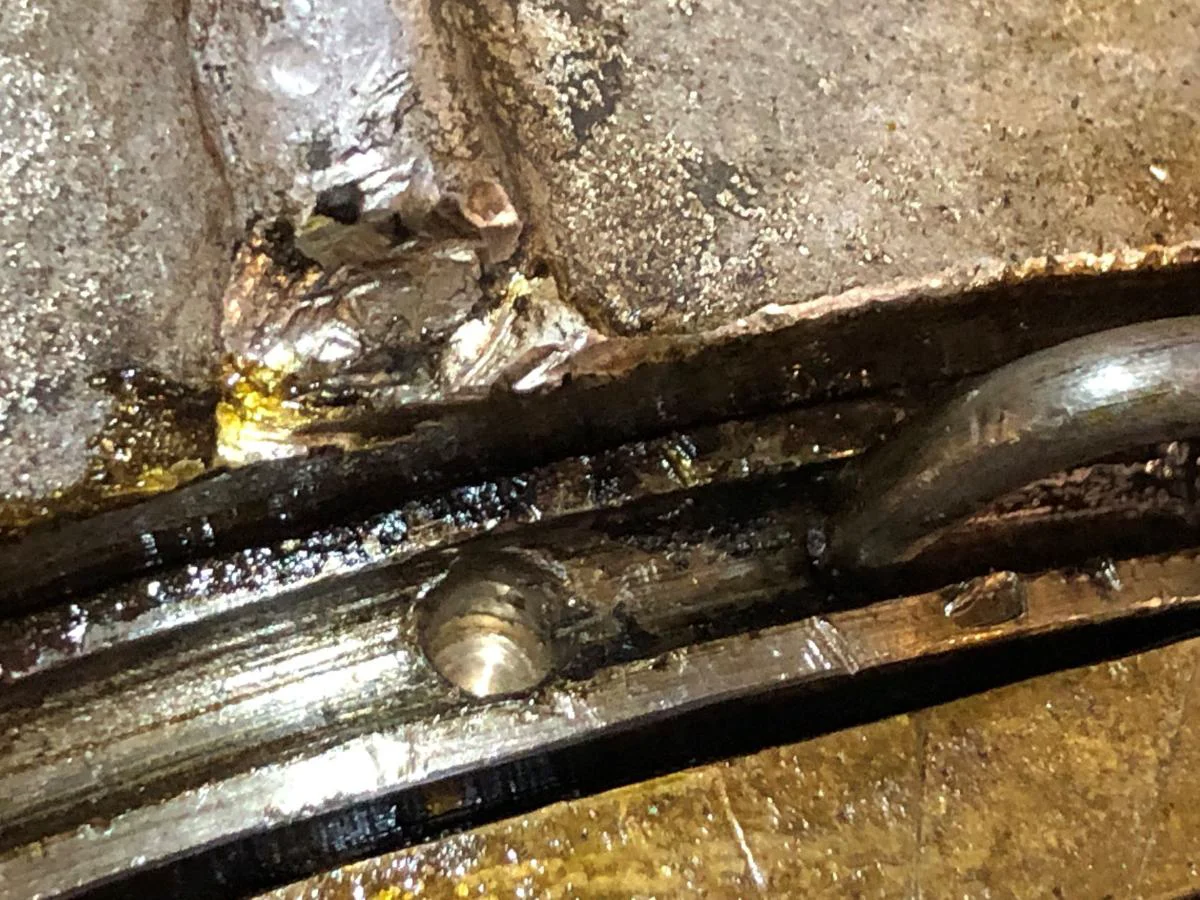
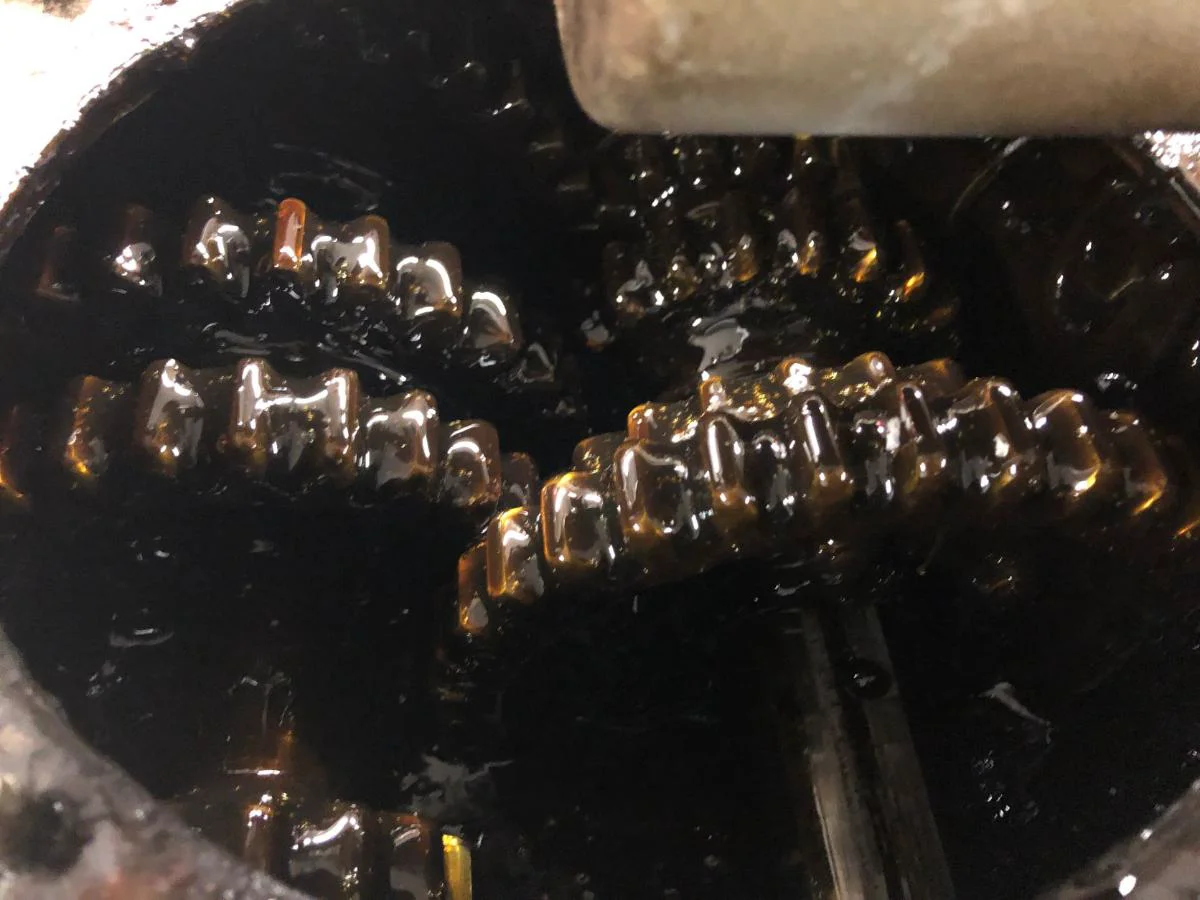
Here are some impressions of how perfectly the chrome-nickel steel gears look like, after more than 100 years. The shifting is very smooth, I feel no looseness anywhere when turning the shafts by hand (even considering the dampening effect of the honey-like gear grease), the noise while driving was quite low.
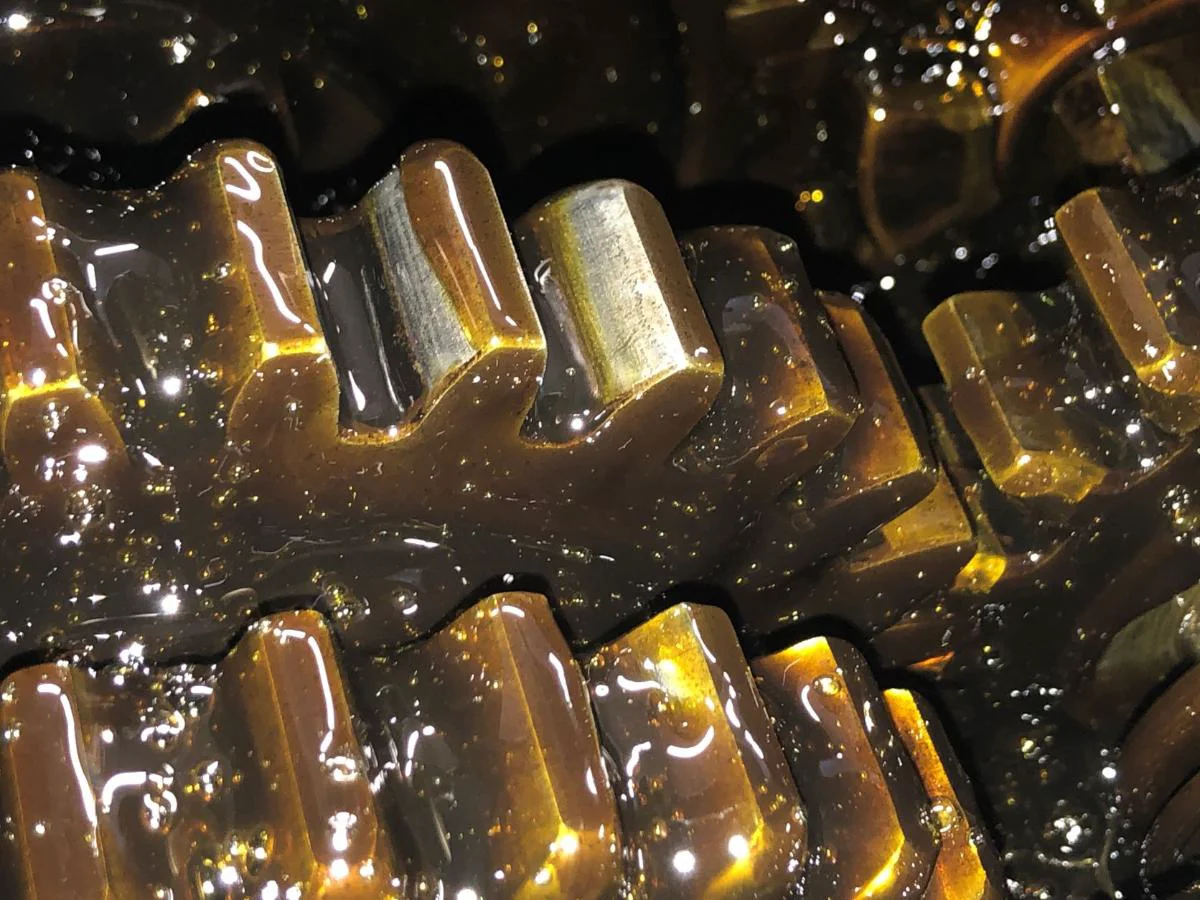
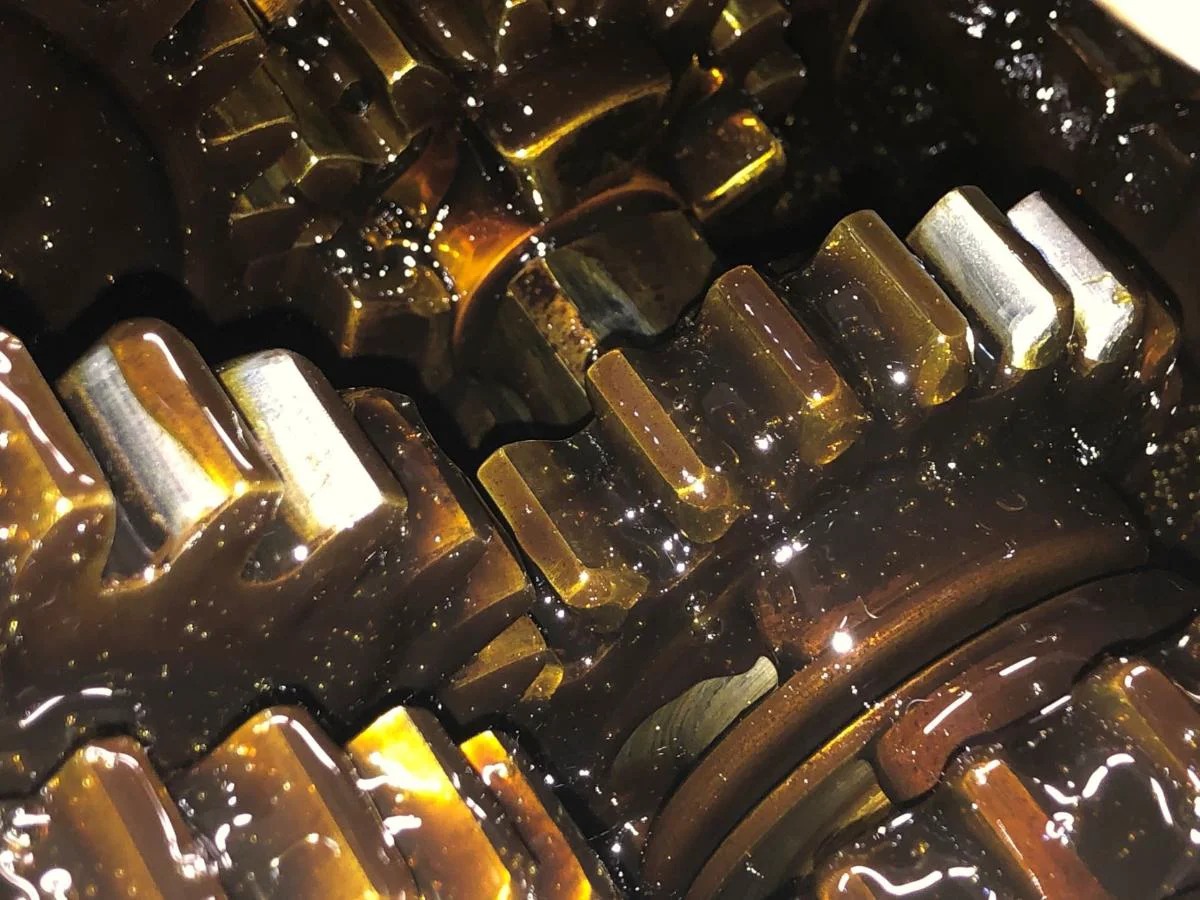
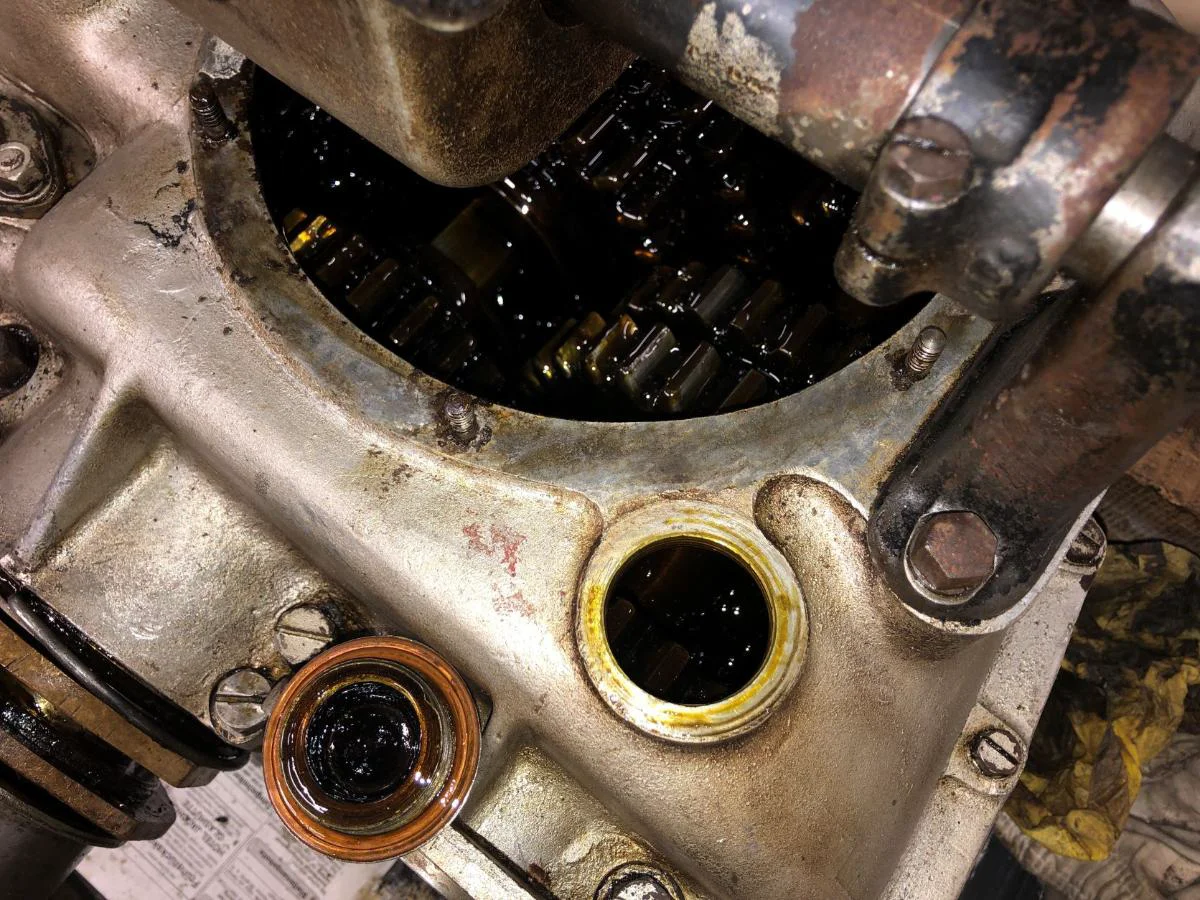
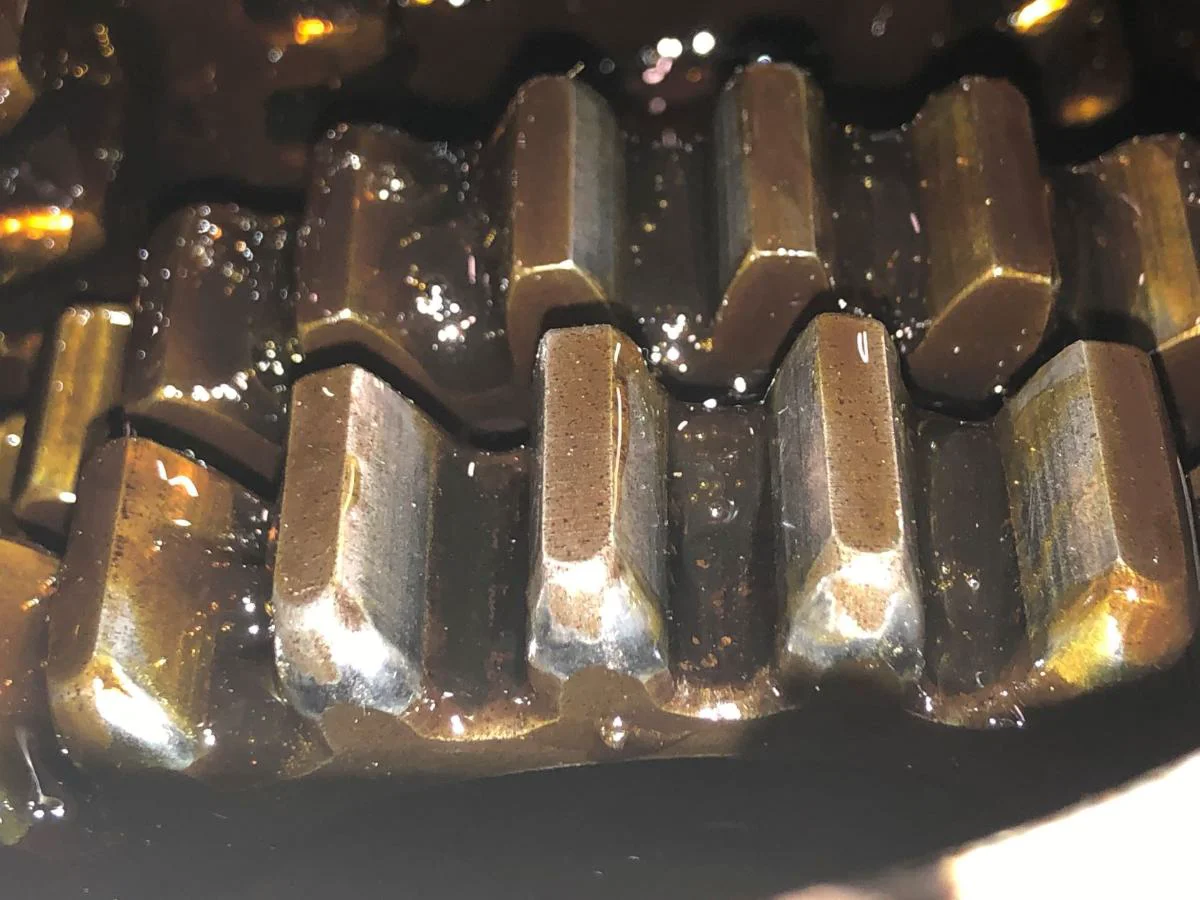
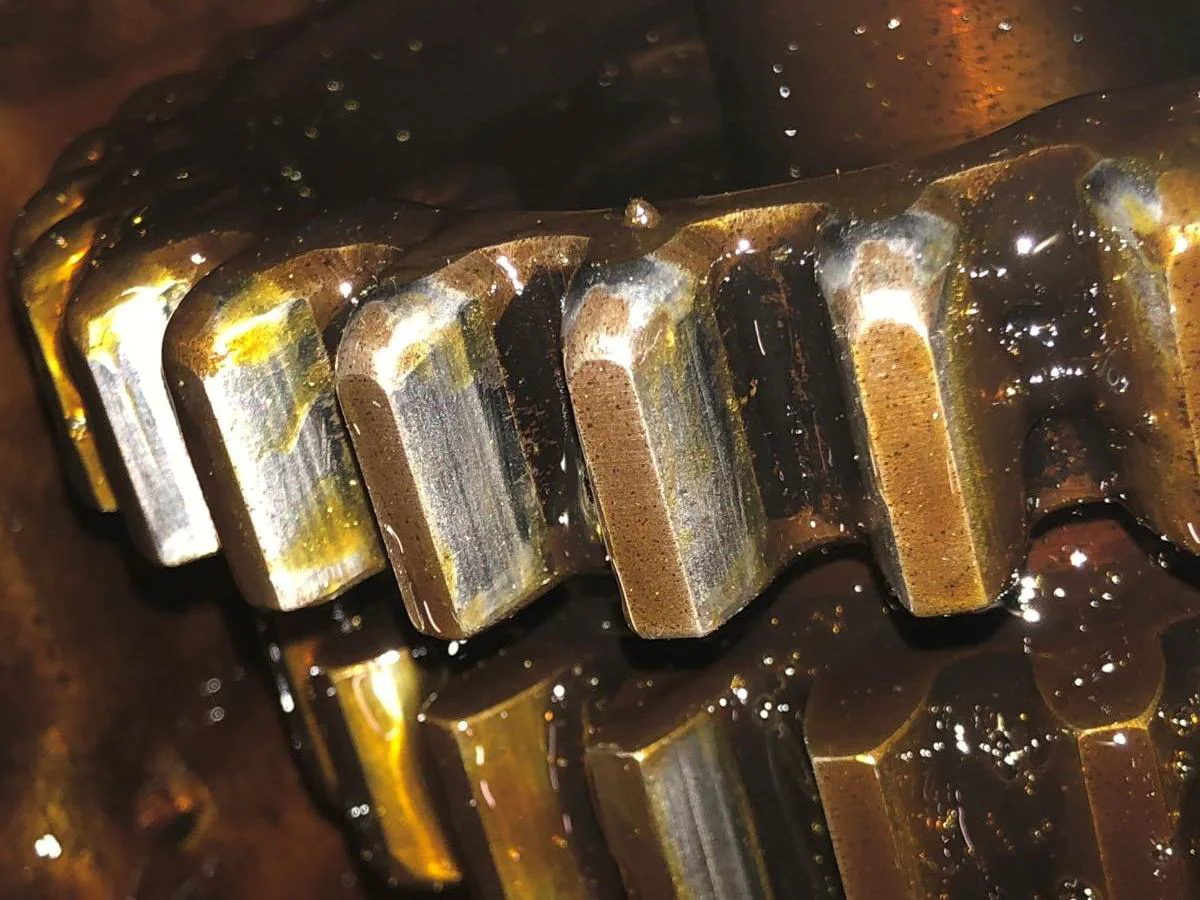
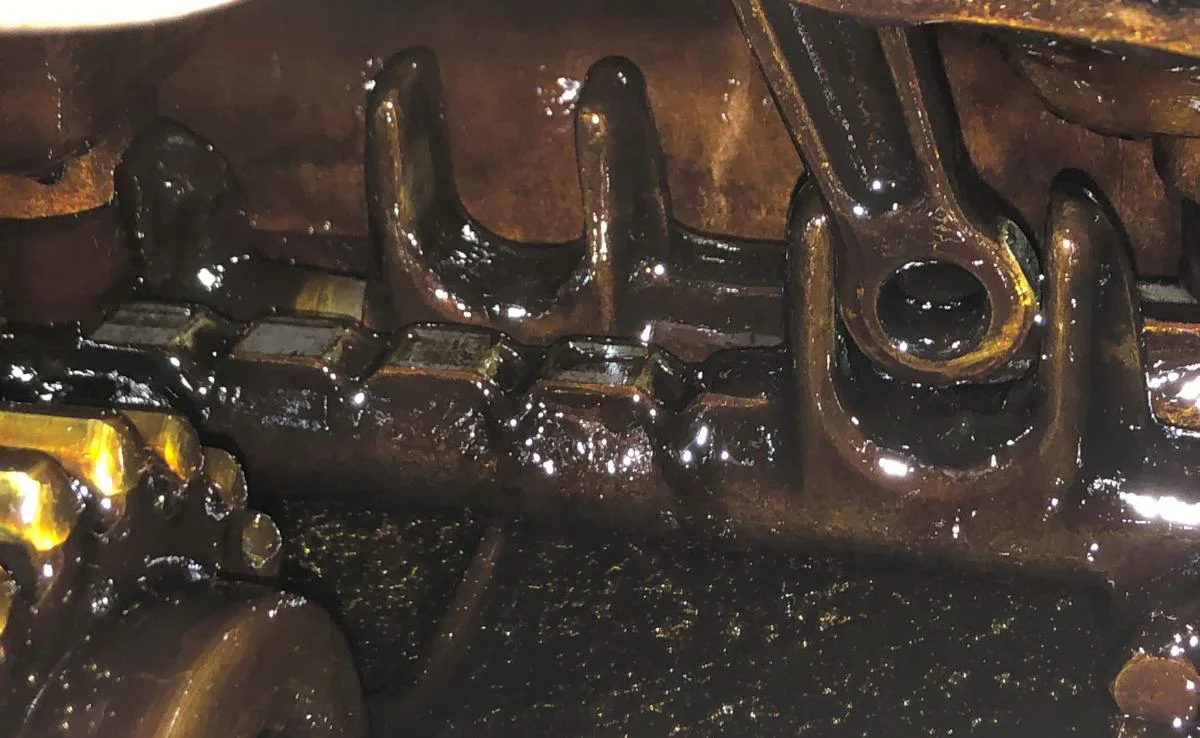
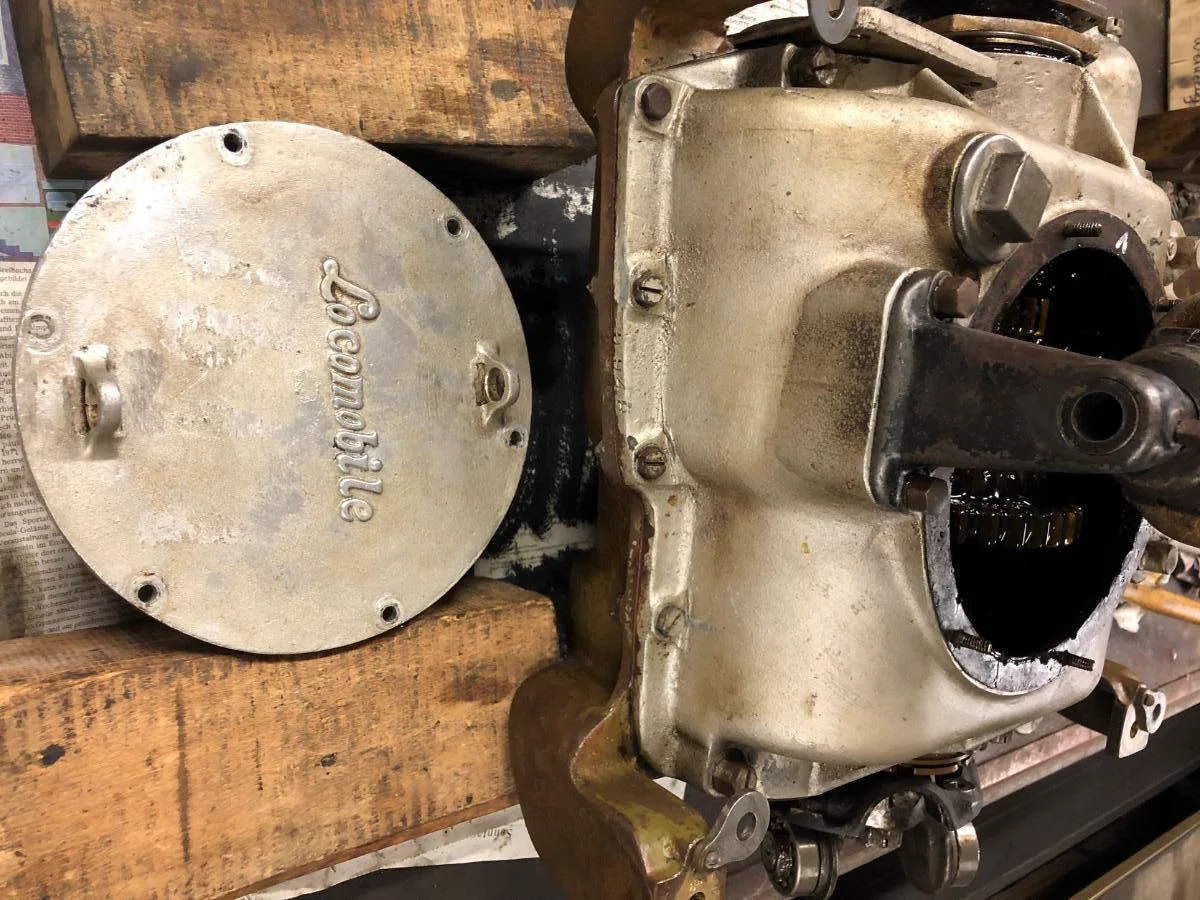
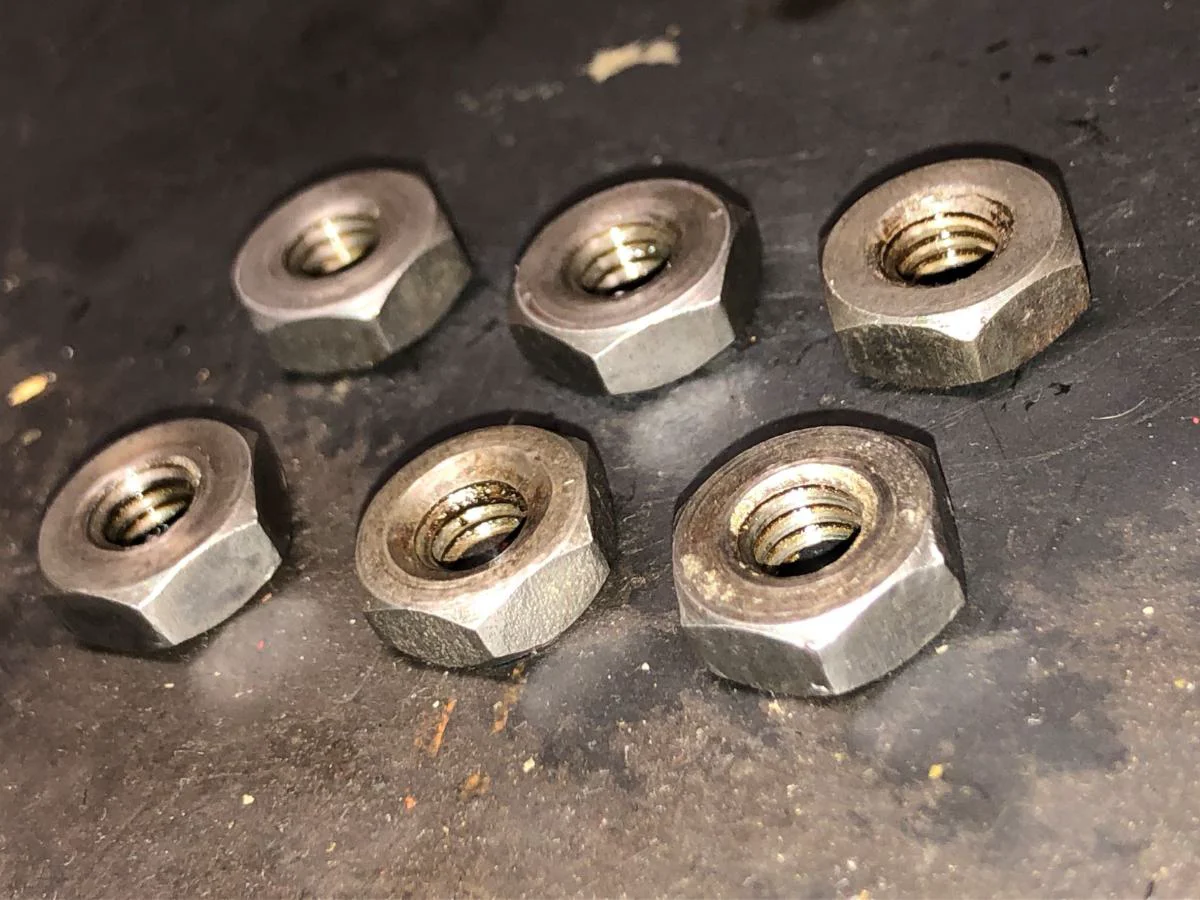
ready for installation.
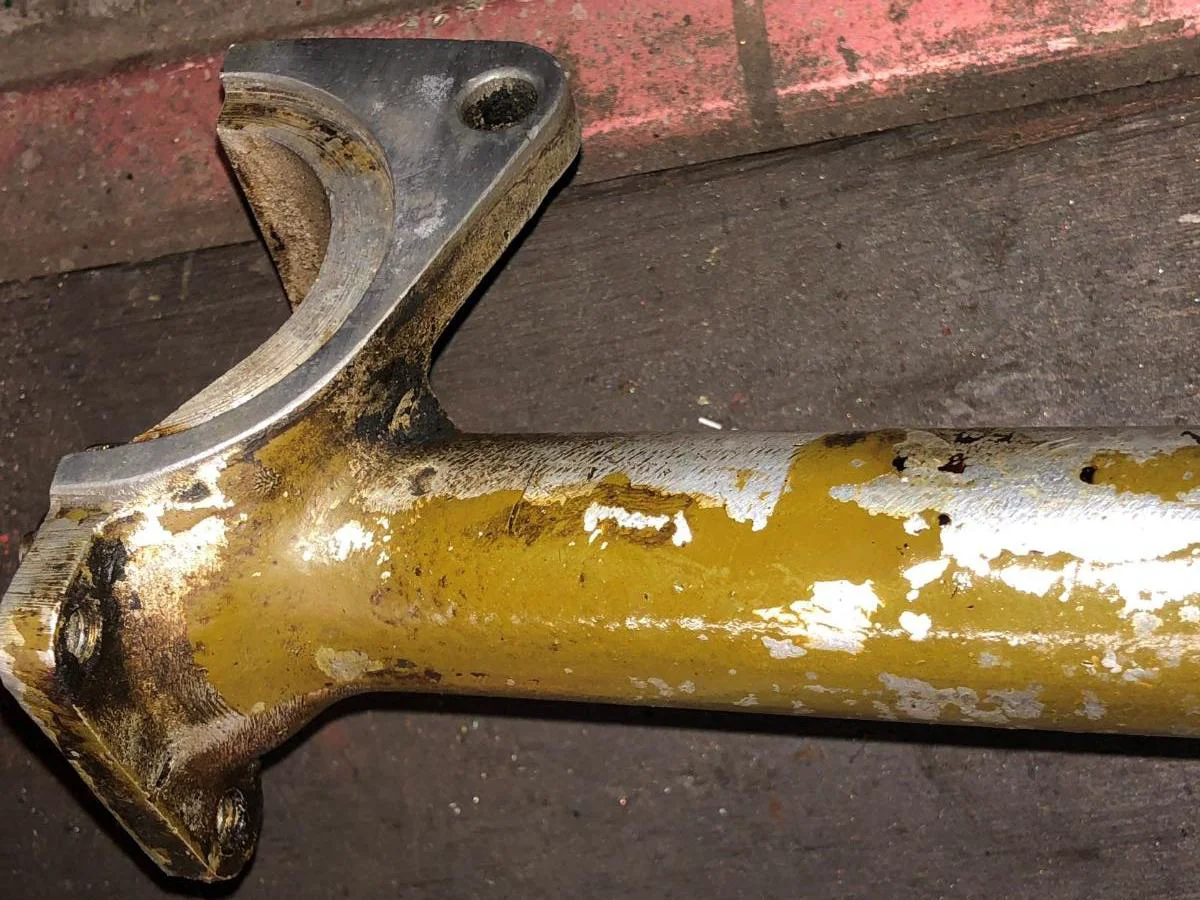
One question to all of you who have worked on Locomobiles already: I find some light green paint in some places of the engine (oil sump, oil pump, crankcase, starter bracket...) and transmission (casing, mounting flanges, ...), and this is not only on the 1917 tourer but also on the 1921 Sedan. I am very confident that this was not done by the previous owner of my cars, as he got these two cars from very different places. That leads to the assumption that it was done in the factory, but why and how? Nobody would paint these components with such an ugly colour. Was it a primer? Pls. share your experience.
Frank, Check an area of your ugly color by wiping it with denatured alcohol. The Locomobile factory sealed almost everything with shellac. May take a wetted rag of the alcohol sometime to dissolve the shellac. Ancient clear coat.

I found "ugly" green paint on one of the rear axle housings and on its backing plates the green was over black where as the other 3 housings had black backing plates.
My thought was Military.
Thank you for all of these details you have saved me some time when I take mine apart in a couple of weeks.
Try an area before you know. Maybe the changed their procedure. My experience in on early cars. Believe but verify.
One more interesting observation: The clutch throw-out bearing is metrical size! I read the code 6212 which is a standard single row ball bearing, outer diameter 110mm, inner diameter 60mm, width 22mm.
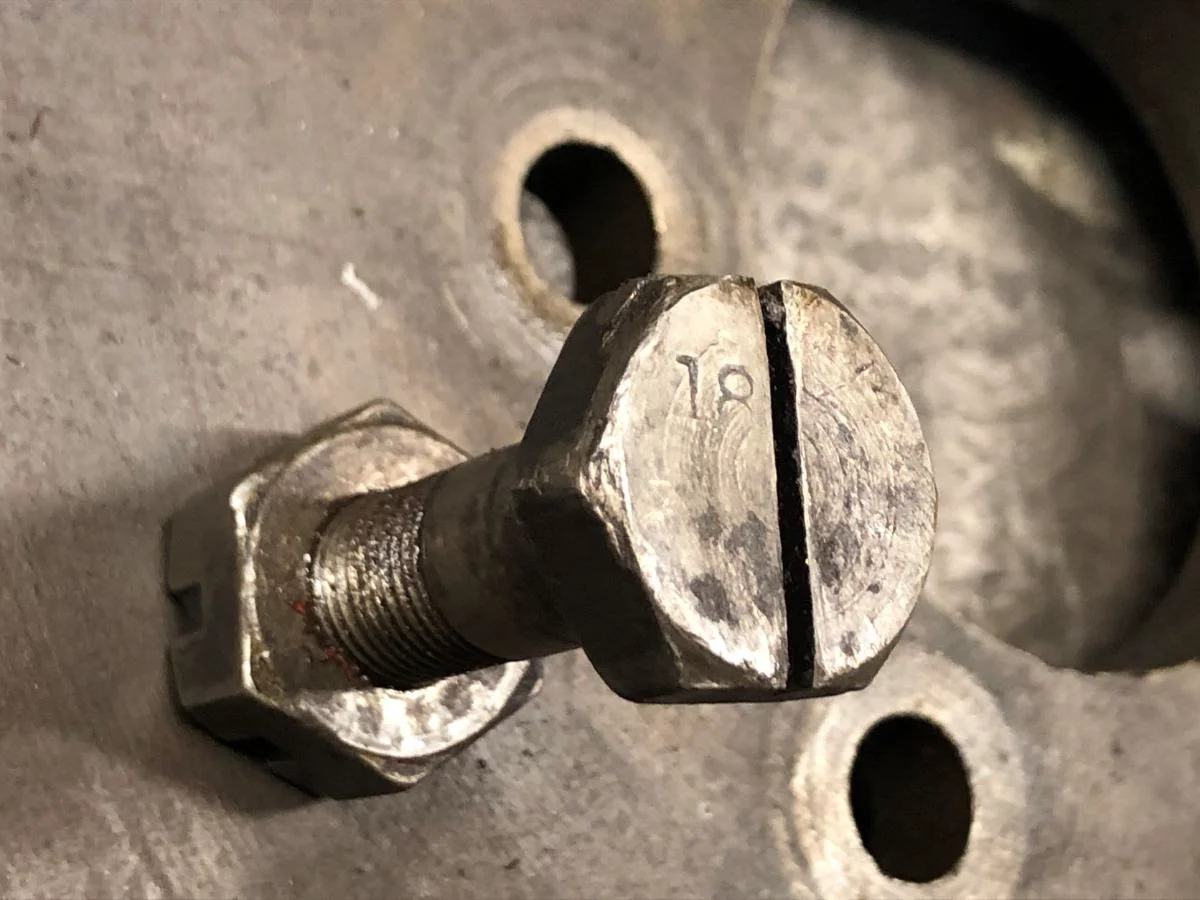
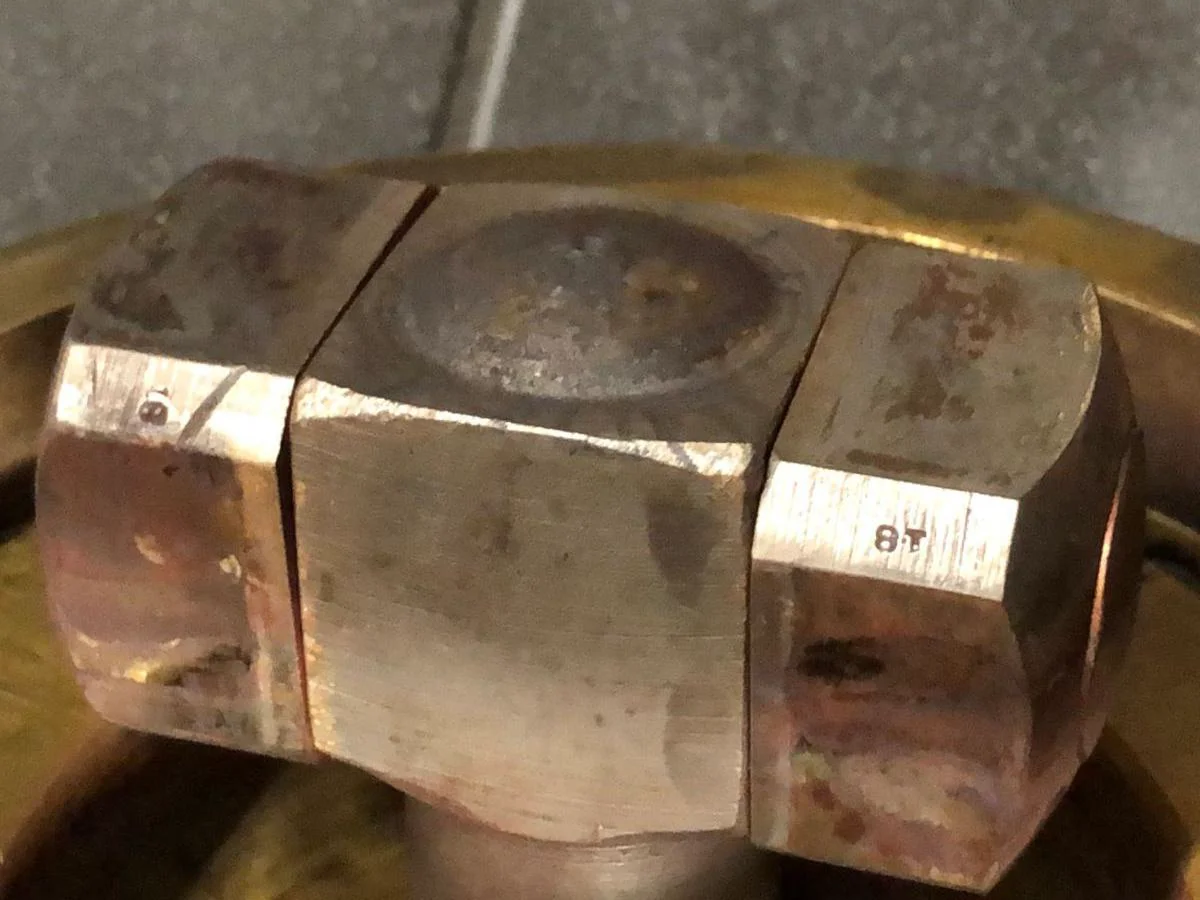
here is one question to your old-age-engineering background: What does the number 18 mean when stamped onto parts?
- the head of the bolts which connect crankshaft with flywheel
- the driving shaft blocks
The number 13 is stamped onto the driving shaft.
Any idea what this means?
Machinery green was the standard paint for more than lathes, milling machines, wood working tools, etc. The iron parts on my Wisconsin engine are their tone ( it varied quite a lot over the trade). Thus my Stutz is red with nickel fittings externally while under the hood is bare aluminum and brass with green painted iron. "Packard Engine Green" was a richer darker green but still continued in the traditional internal machinery color scheme.
5 hours ago, George K said:Try an area before you know. Maybe the changed their procedure. My experience in on early cars. Believe but verify.
I tried to dissolve the green paint. No use, it is hard and doesn't change. One part which shows the green colour clearly and was just now easy to photograph is the oil pump vertical shaft housing. It is bolted to the crankcase just near the flywheel. Not easy to paint without dismantling. What you see is the front side (the flange is attached to the back of the engine). Look at it after I used the rag with solvent to clean it:
22 minutes ago, Layden B said:Machinery green was the standard paint for more than lathes, milling machines, wood working tools, etc. The iron parts on my Wisconsin engine are their tone ( it varied quite a lot over the trade). Thus my Stutz is red with nickel fittings externally while under the hood is bare aluminum and brass with green painted iron. "Packard Engine Green" was a richer darker green but still continued in the traditional internal machinery color scheme.
Thanks, Laydon. I believe you: iron parts would be protected that way. Same procedure as on german trucks in the 50s/60s: chassis-red RAL3009 was used not only for chassis but for nearly everything, from rims to axles, sometimes even fenders.
On the Locomobile there are not many parts made of simple iron. Many bolts and nuts seem to be copper&nickel plated, other steel parts have a high carbon content which prevents corrosion, and so many parts are made of brass, copper, bronze. Also aluminum is frequently used, but probably not for weight-saving purposes...
To join in the conversation, you must be a club member.
You’re welcome to read and like every post. Members can reply and start topics of their own.