

@IttenbacherFrank
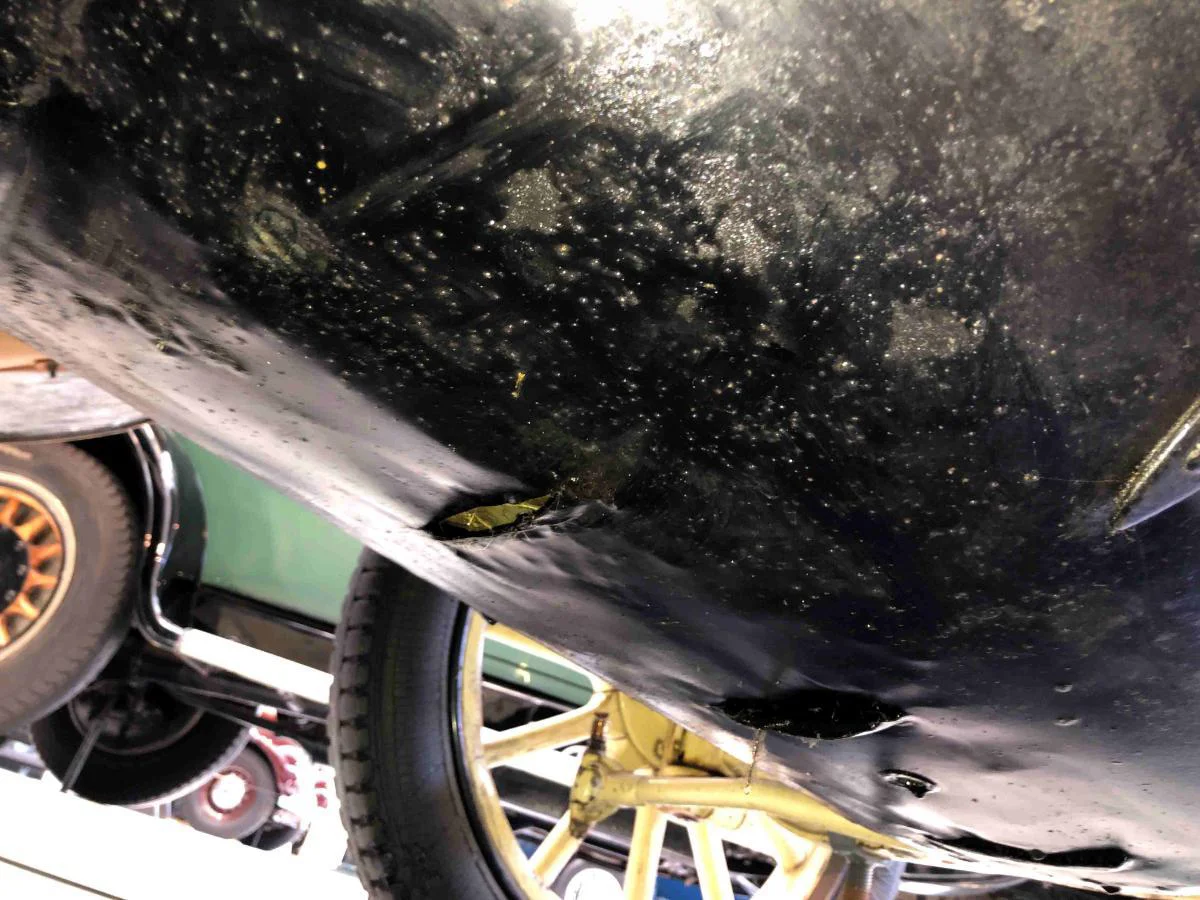
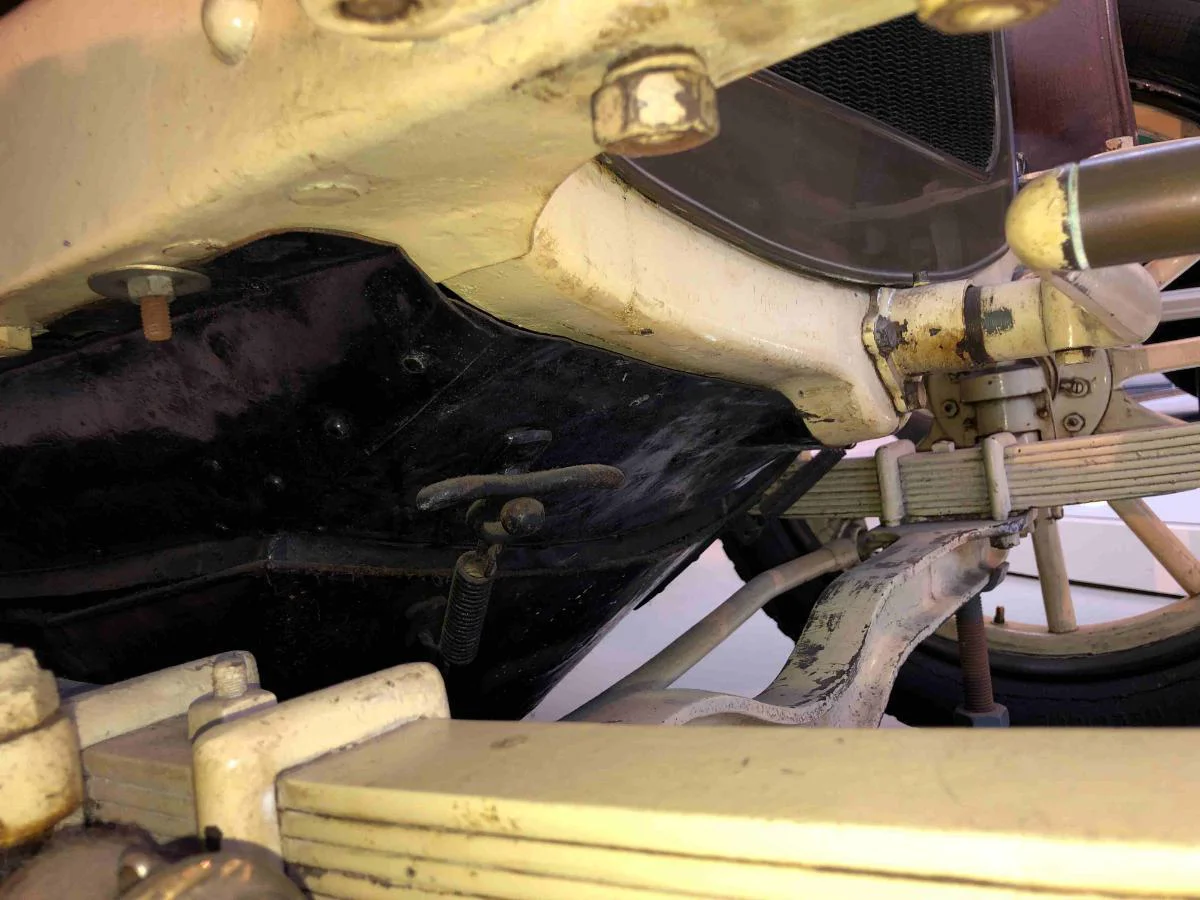
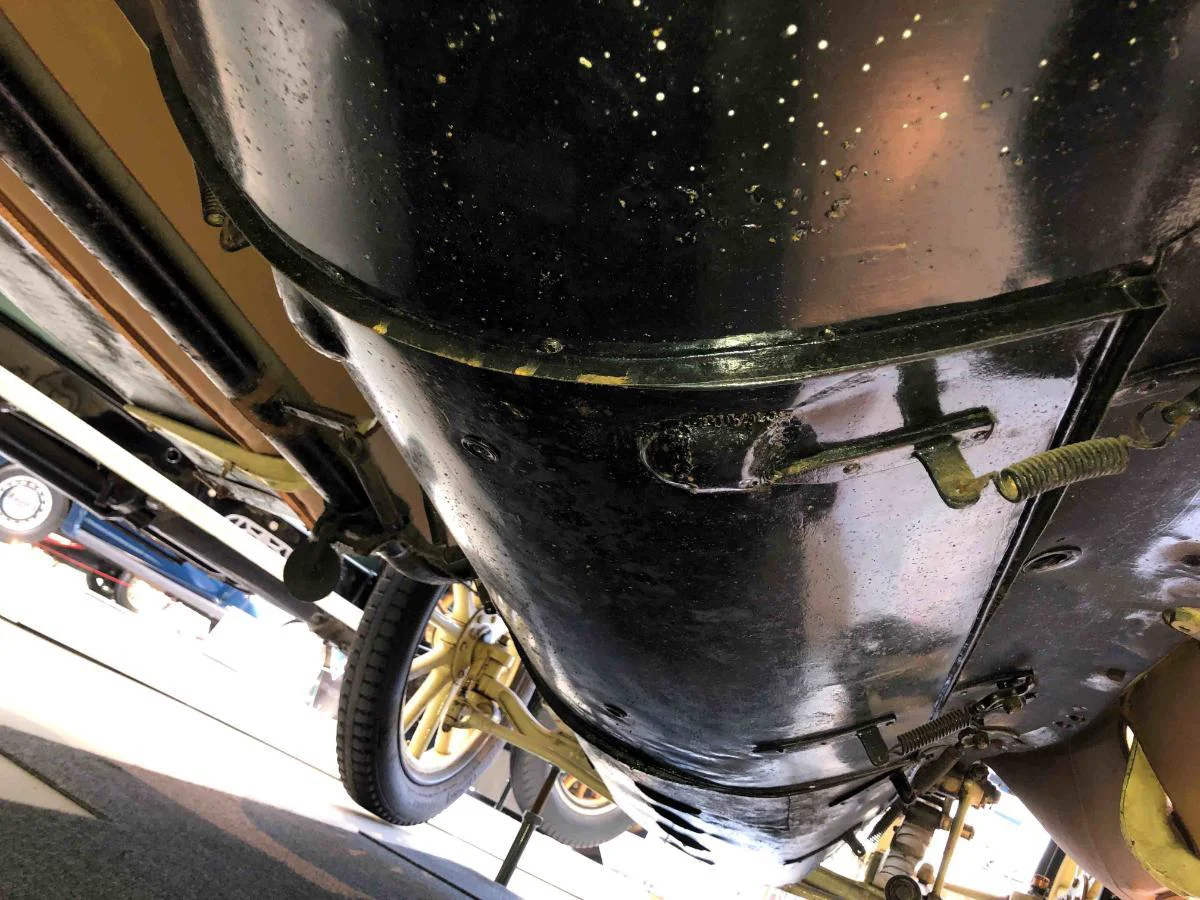
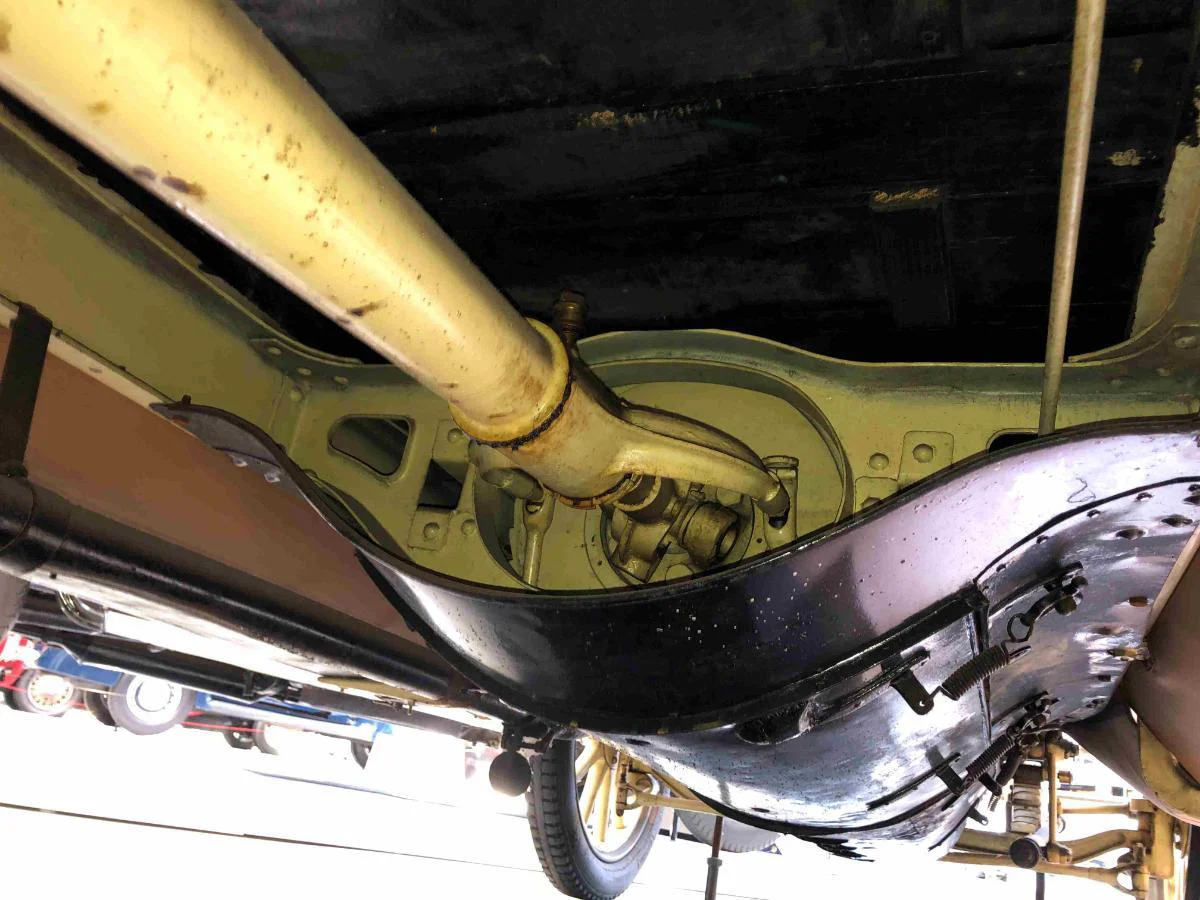
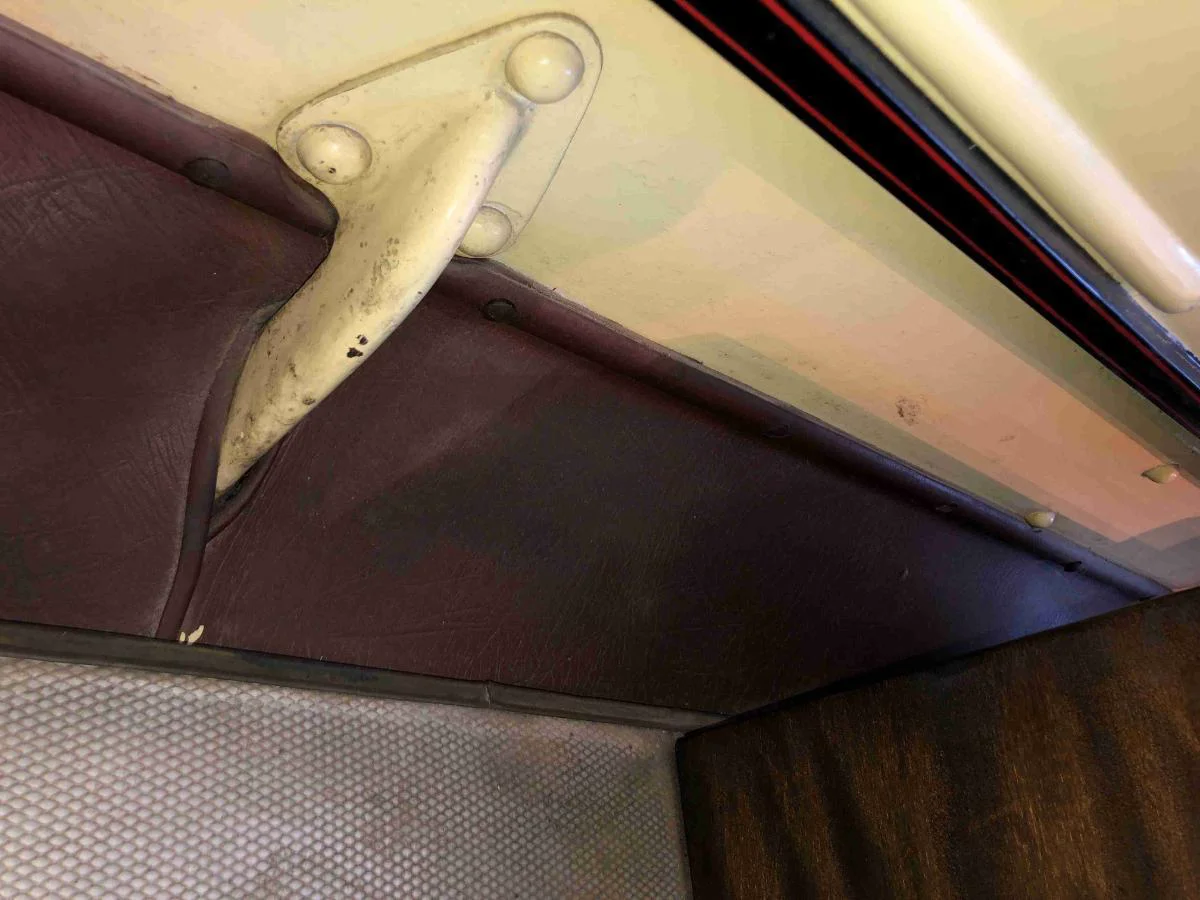
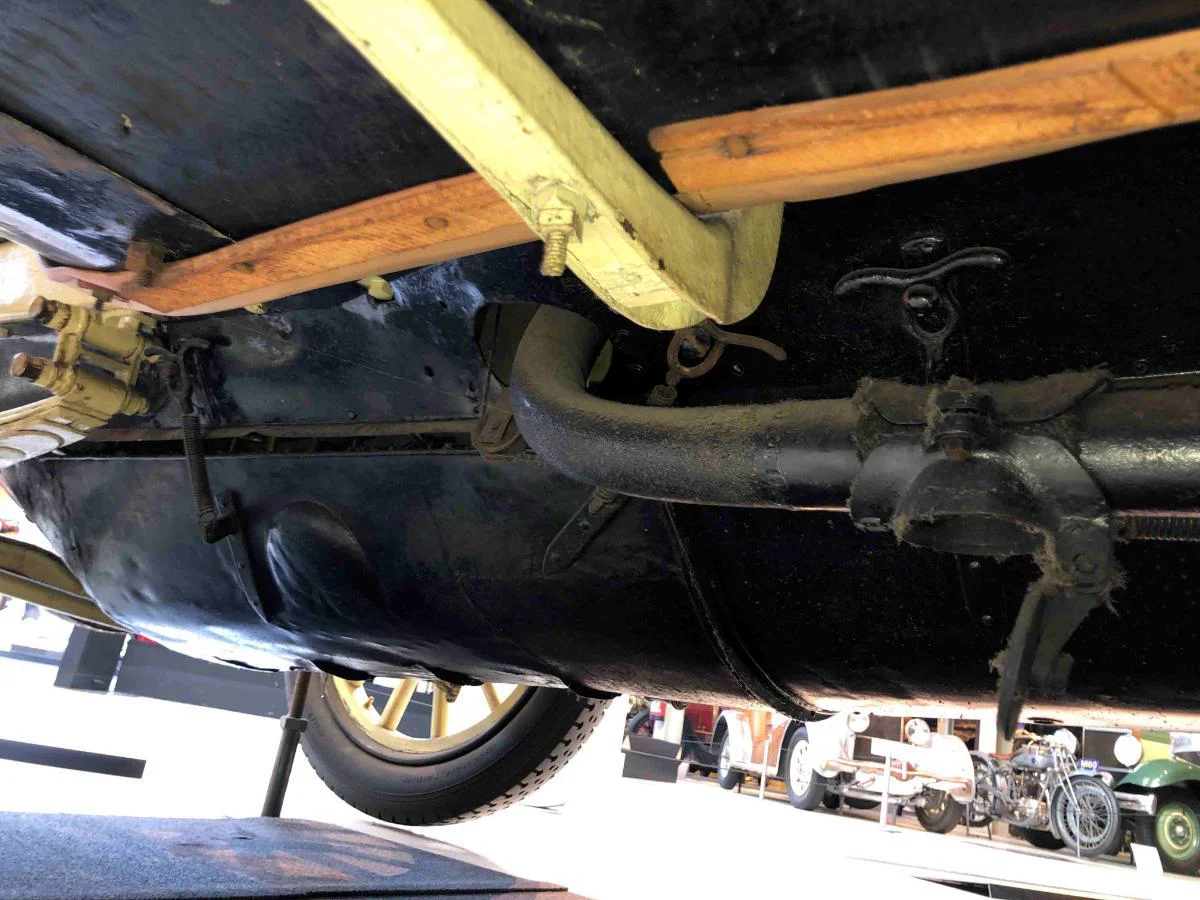
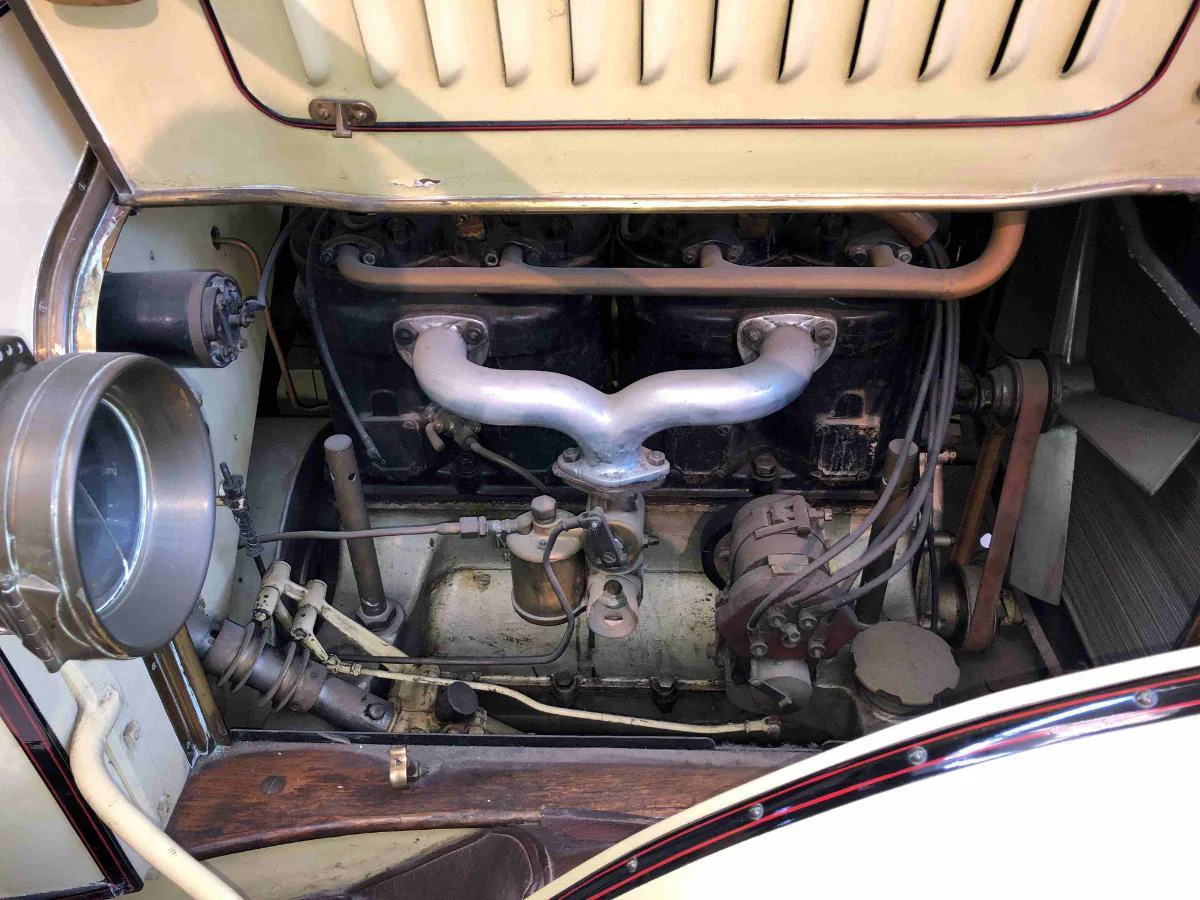
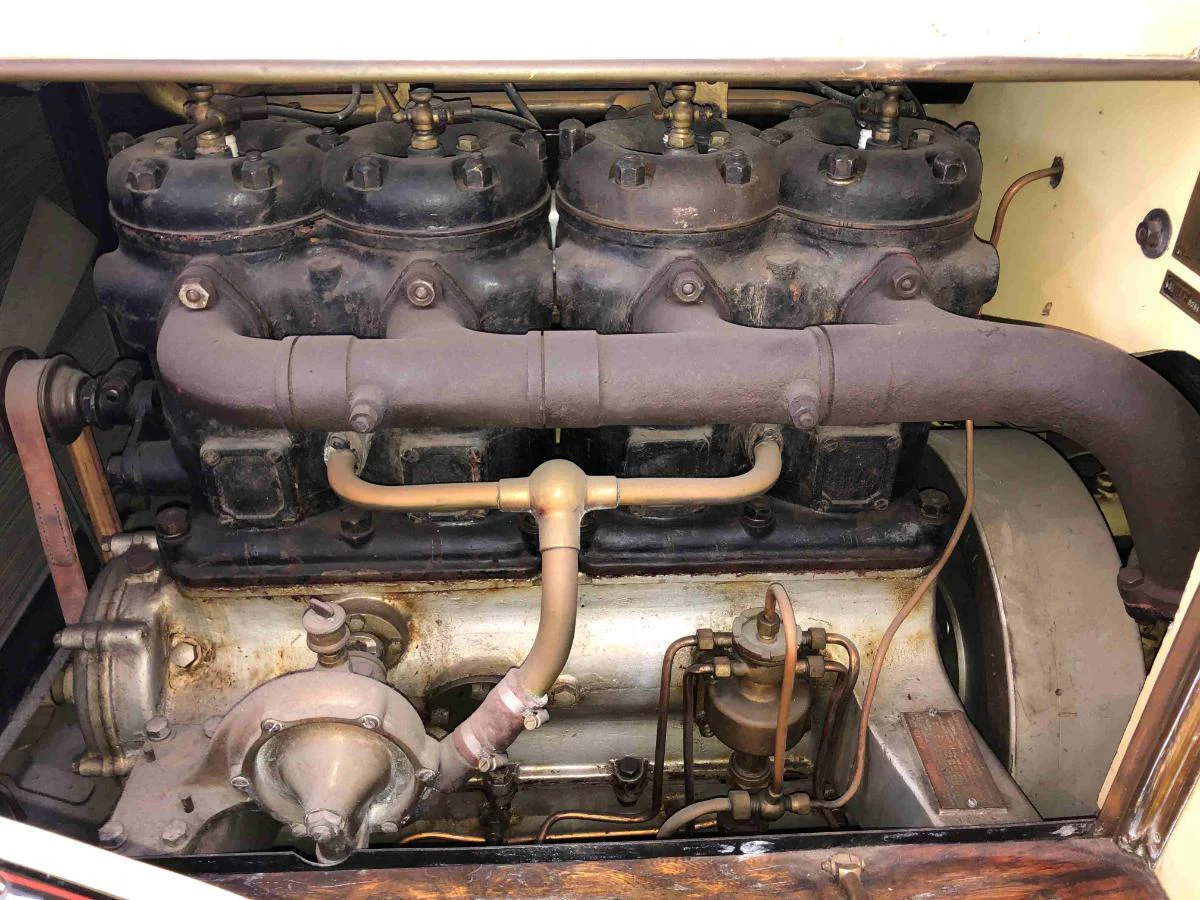
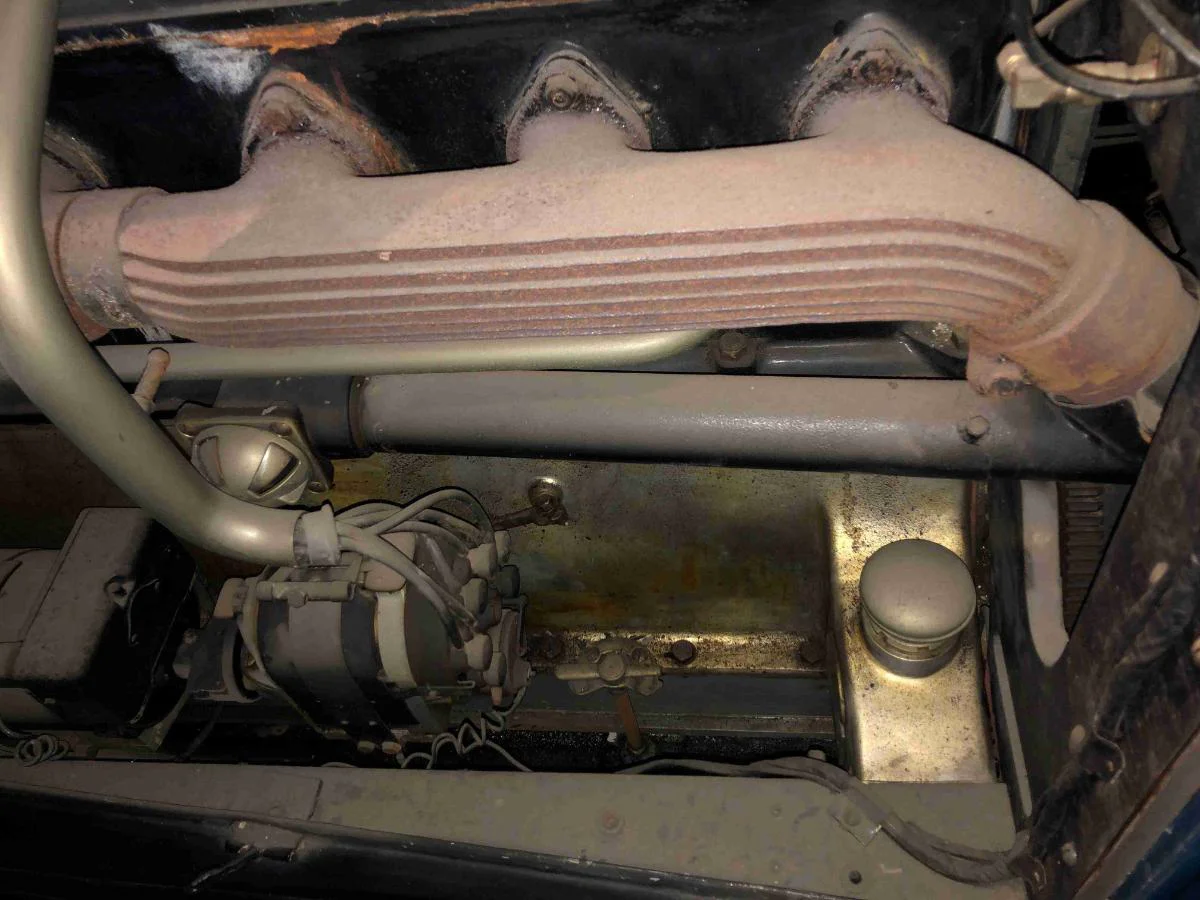
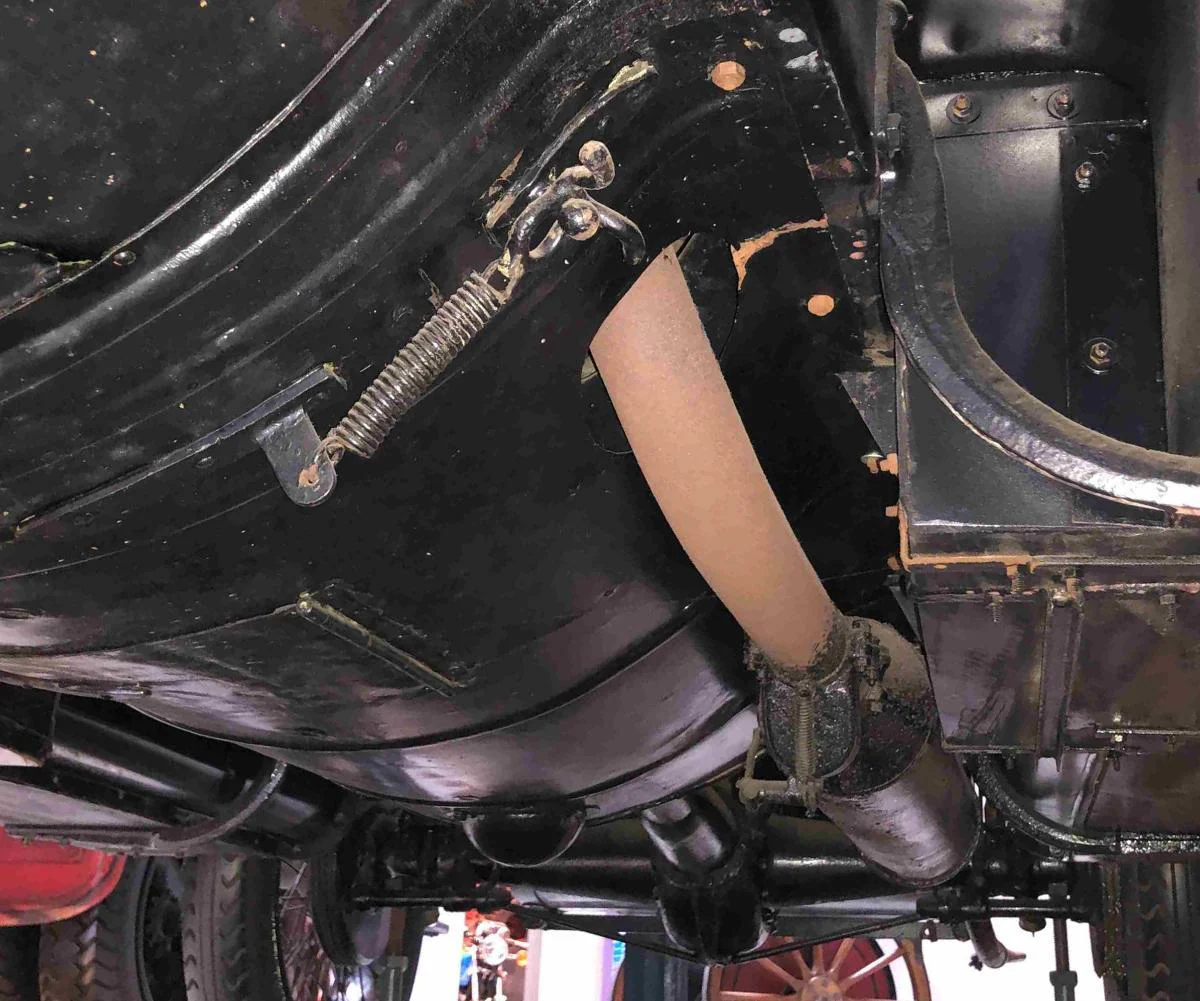
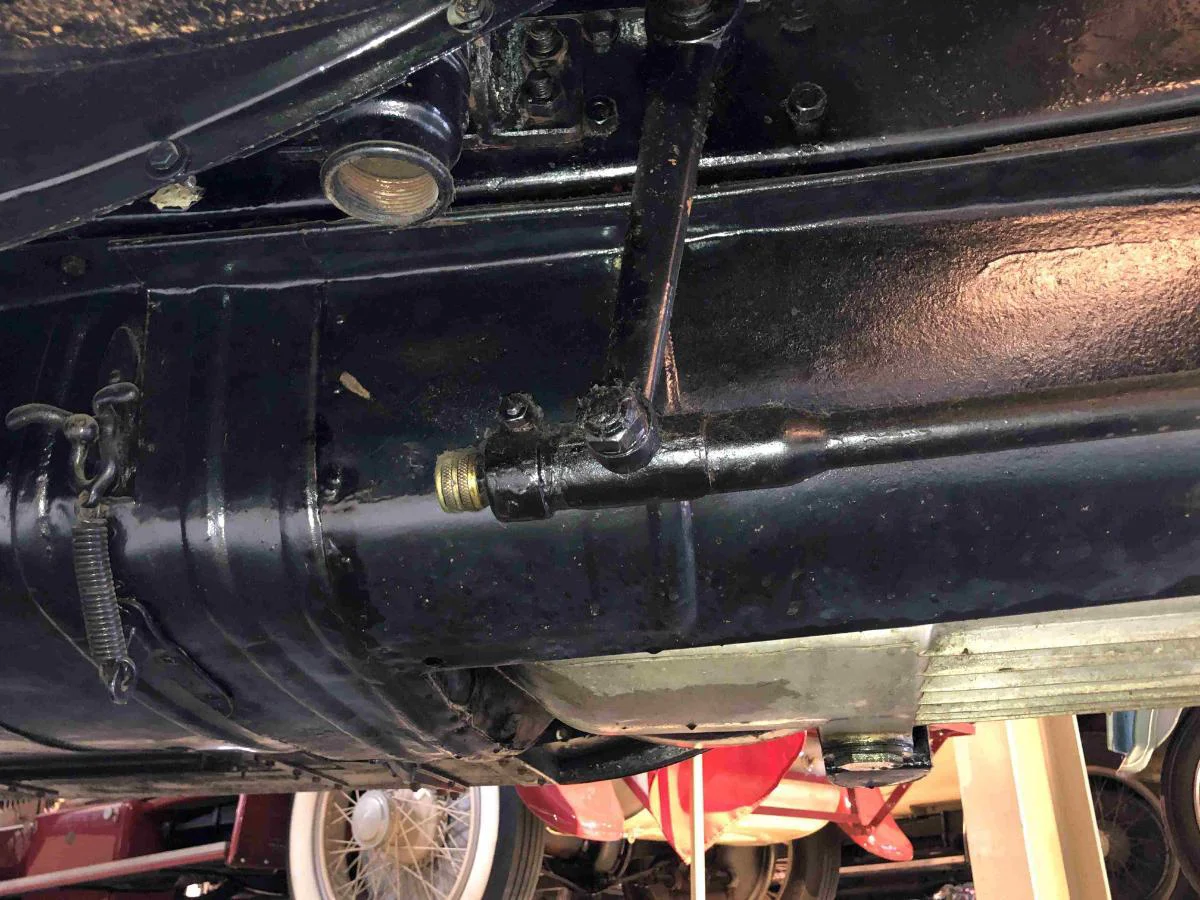
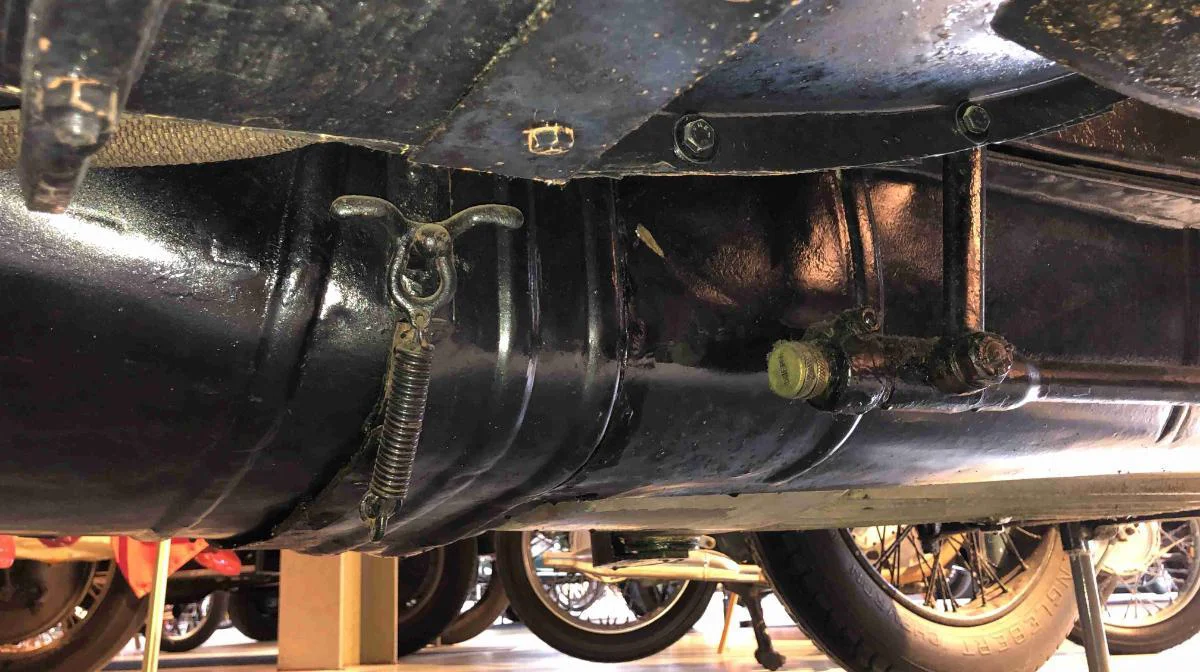
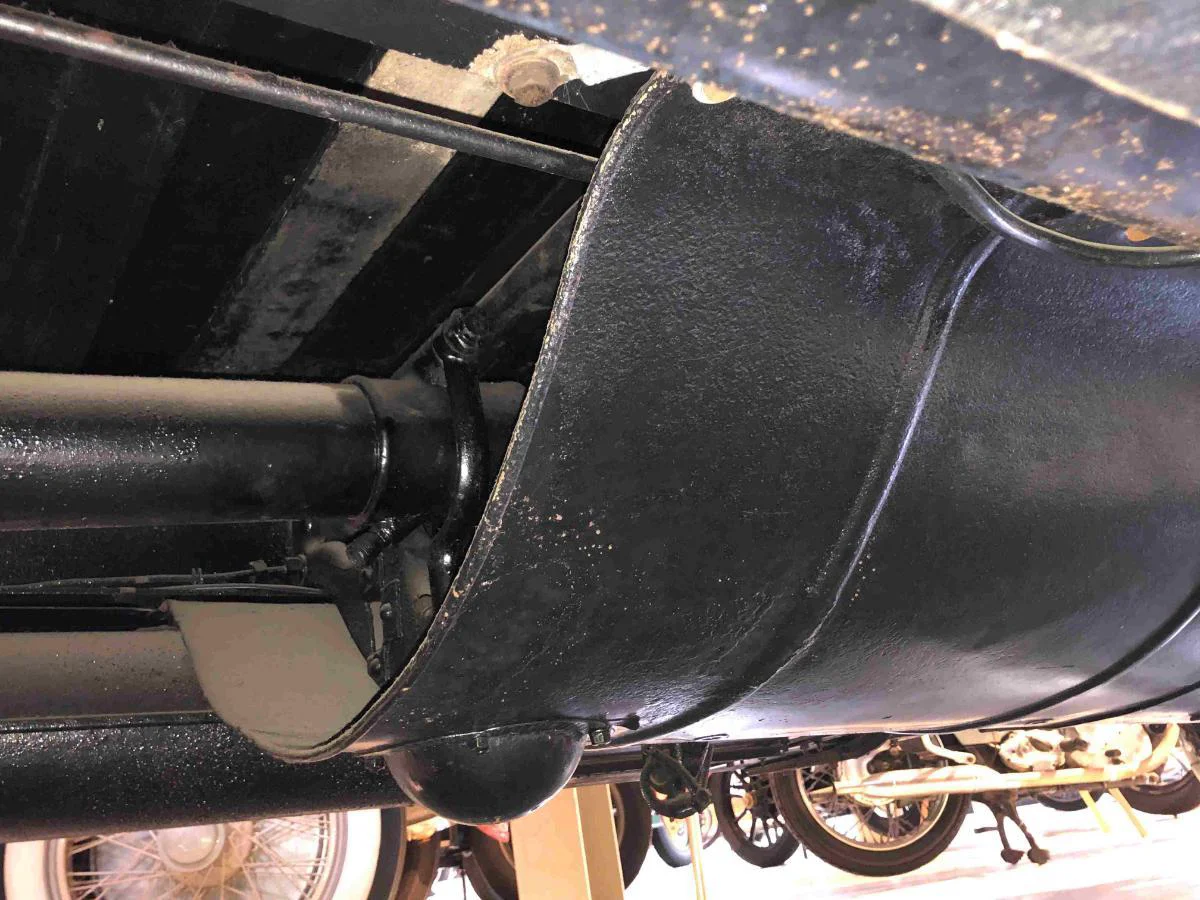
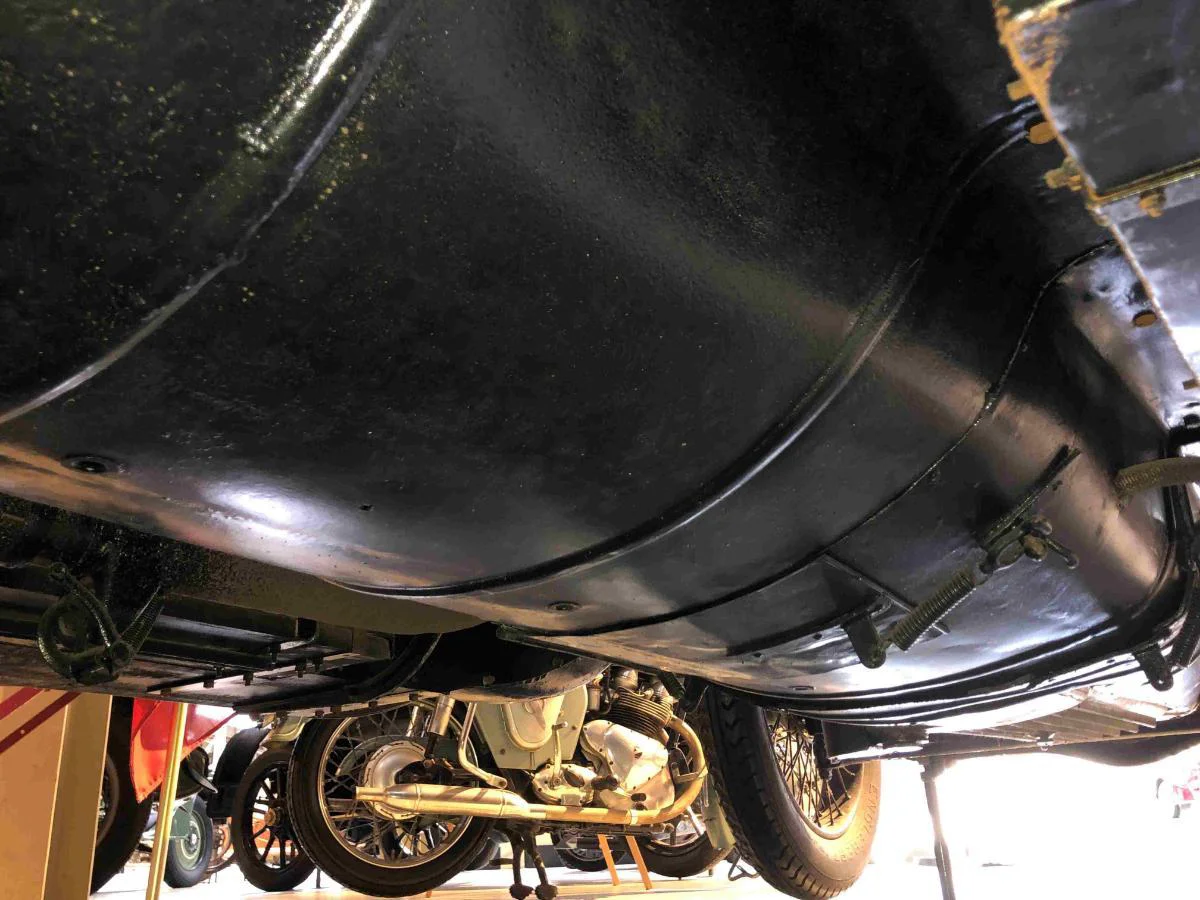
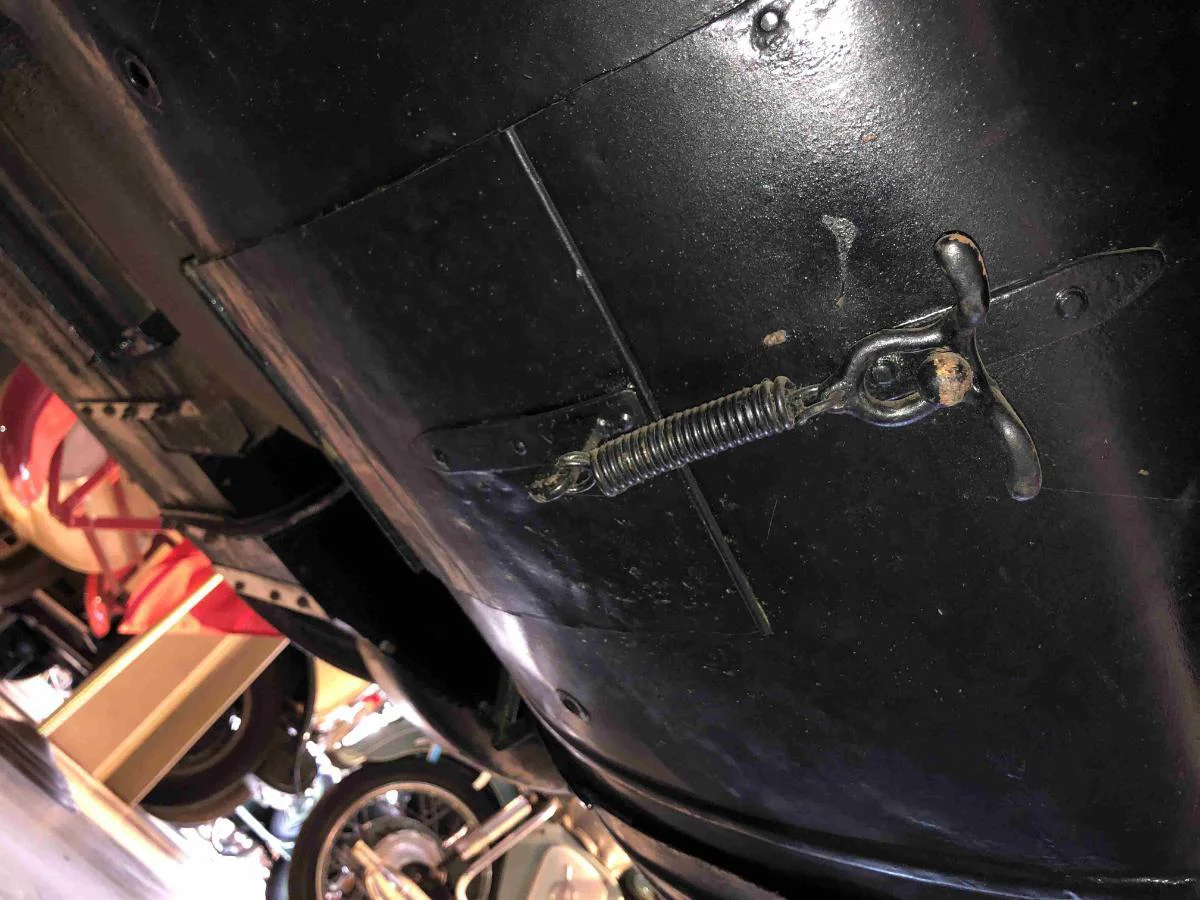
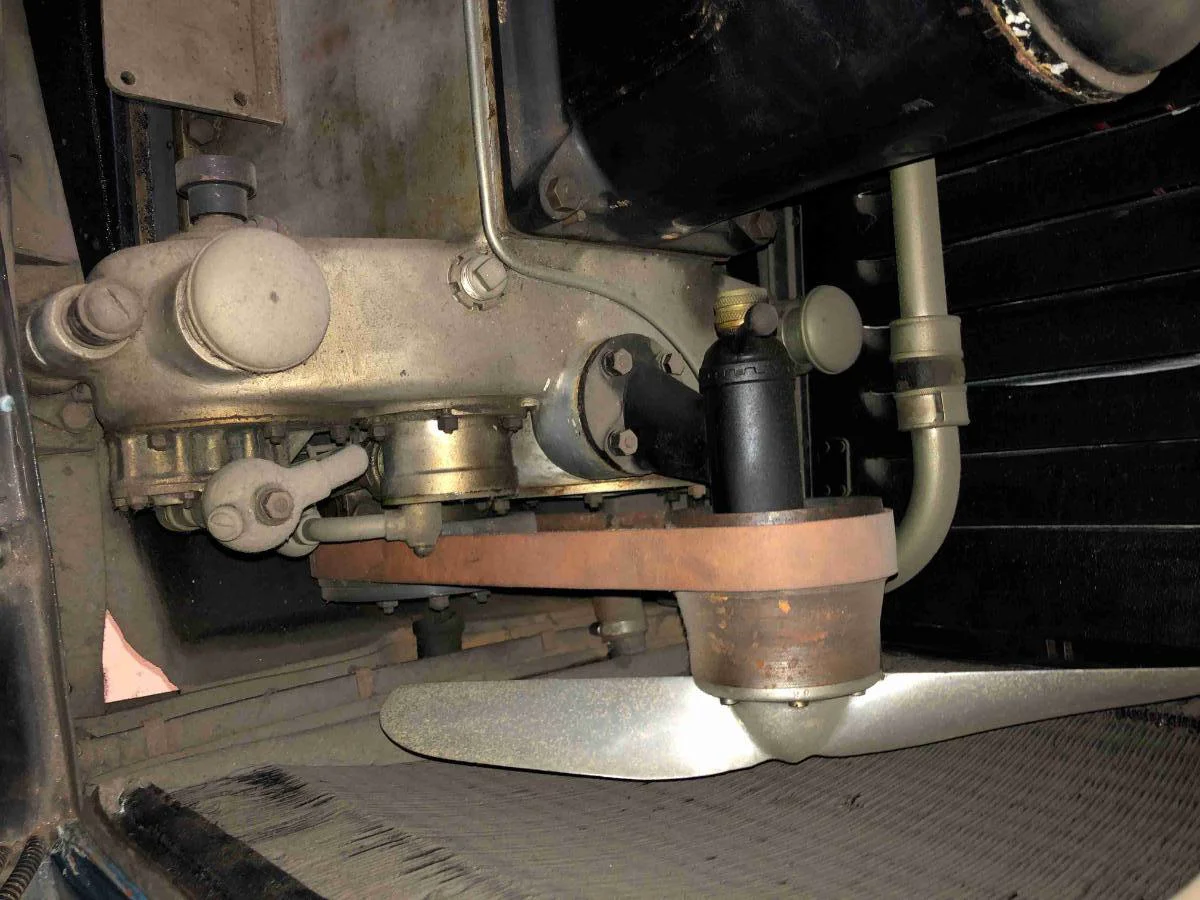
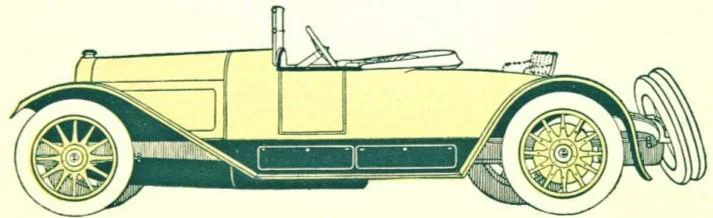
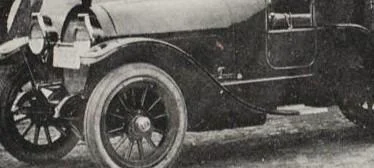
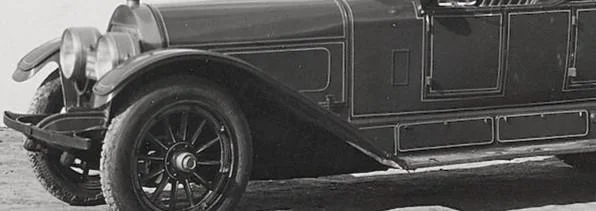
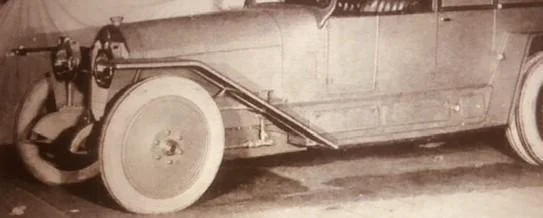
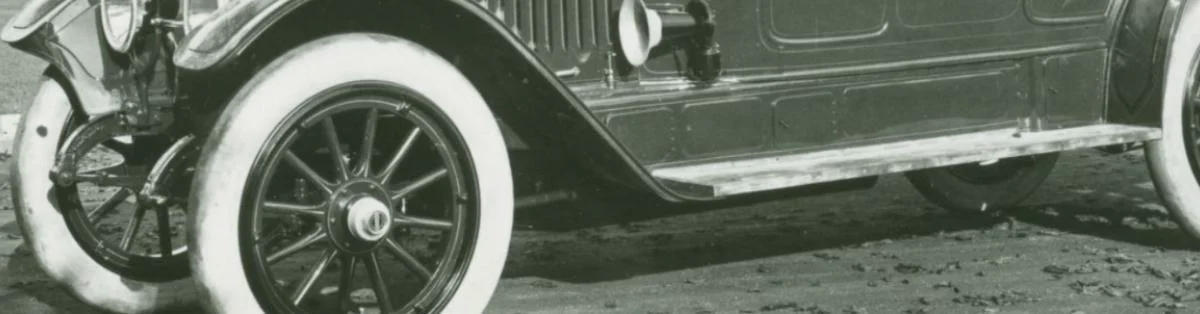
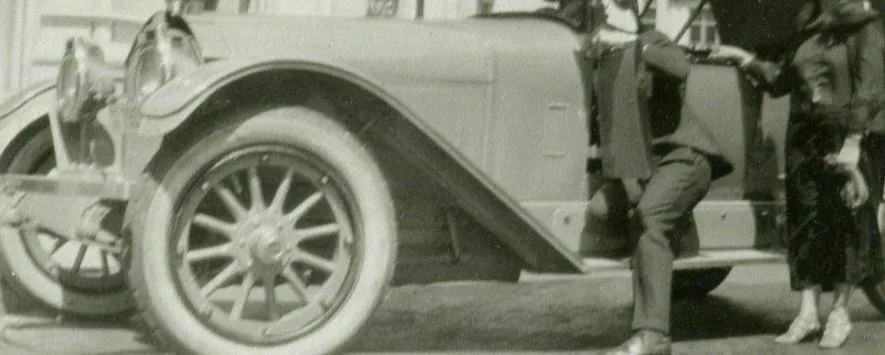
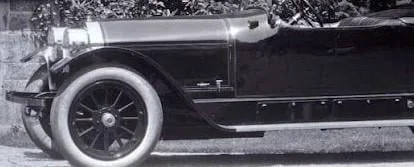
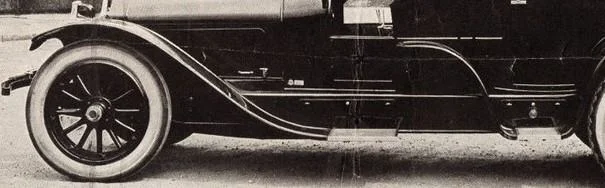
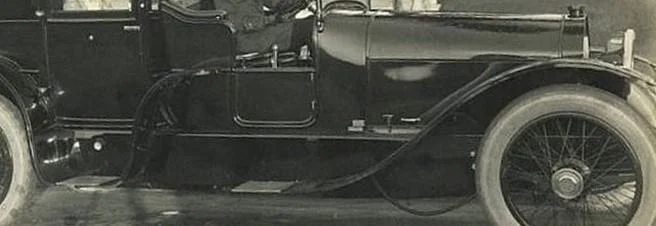
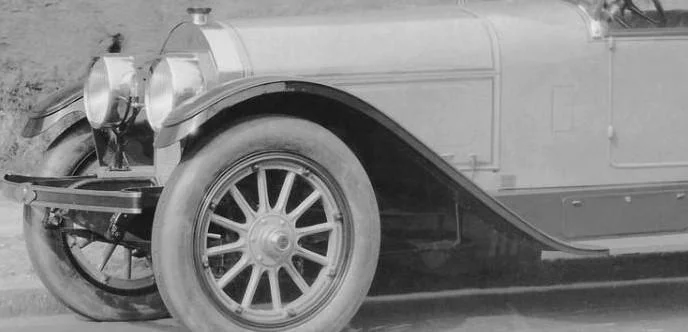
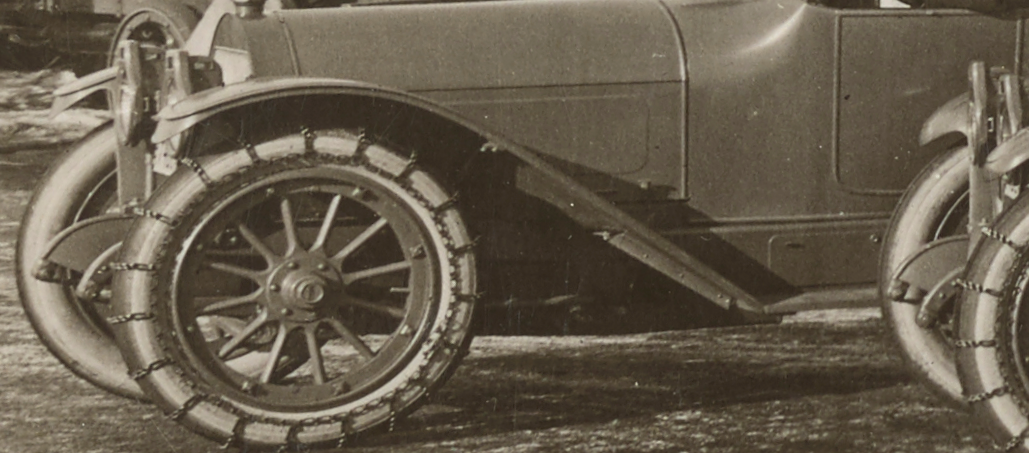
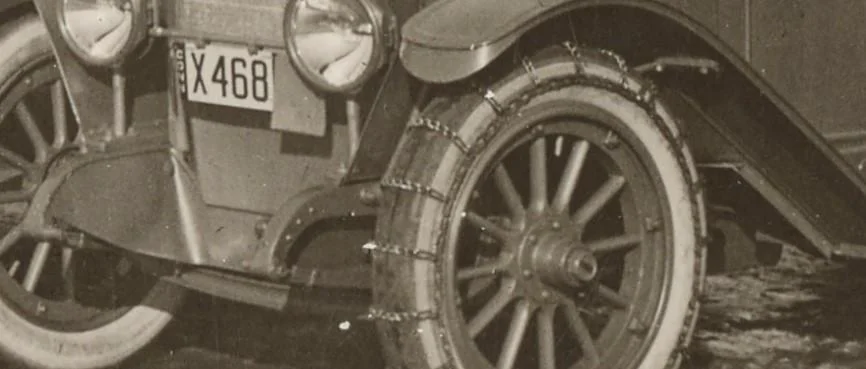
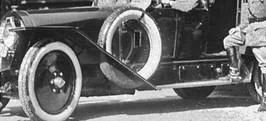
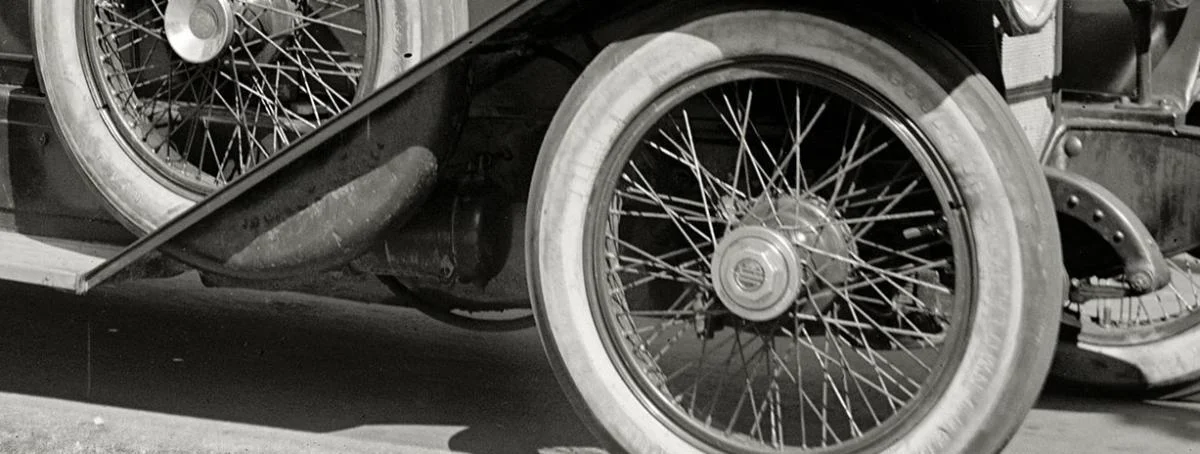
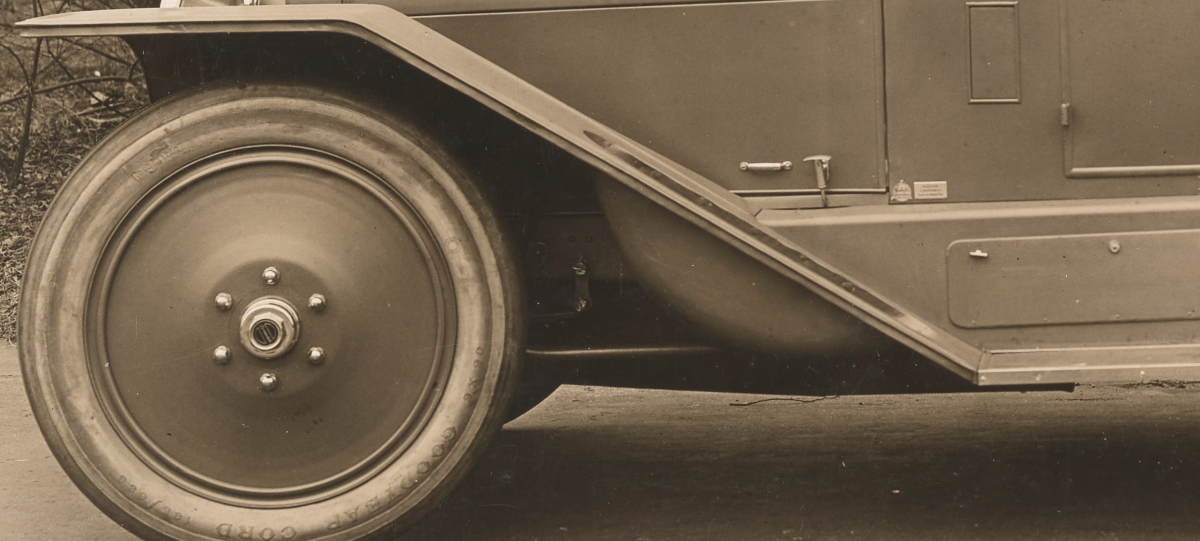
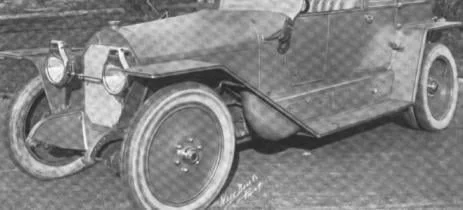
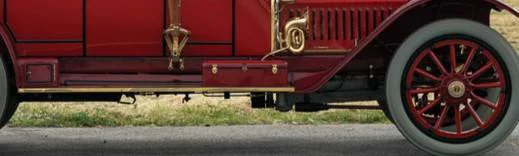
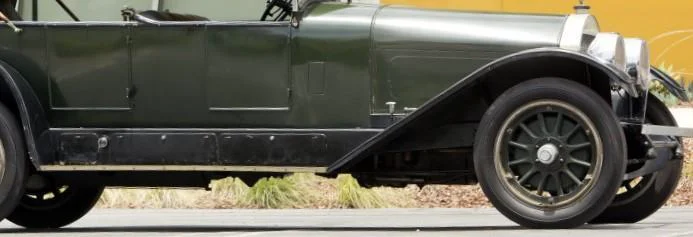
One car (the 1922 Sportif which was sold by Bonhams in 2022) shows exactly the same bolts on the chassis as my cars, but no covers.
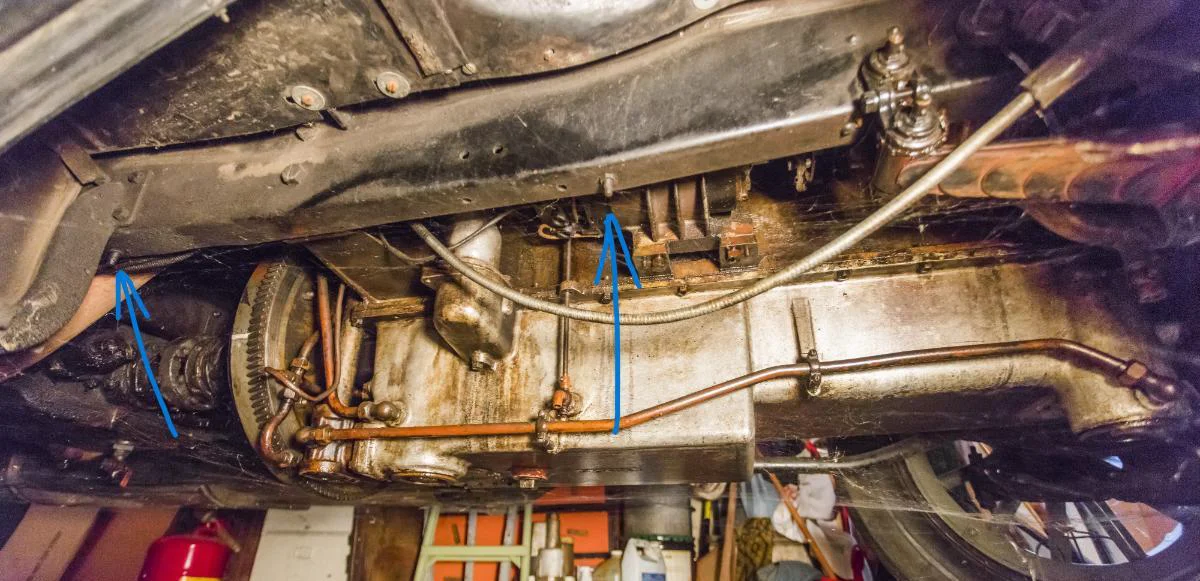
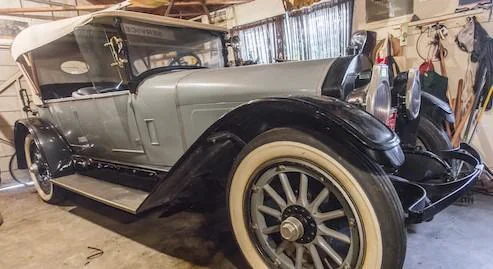
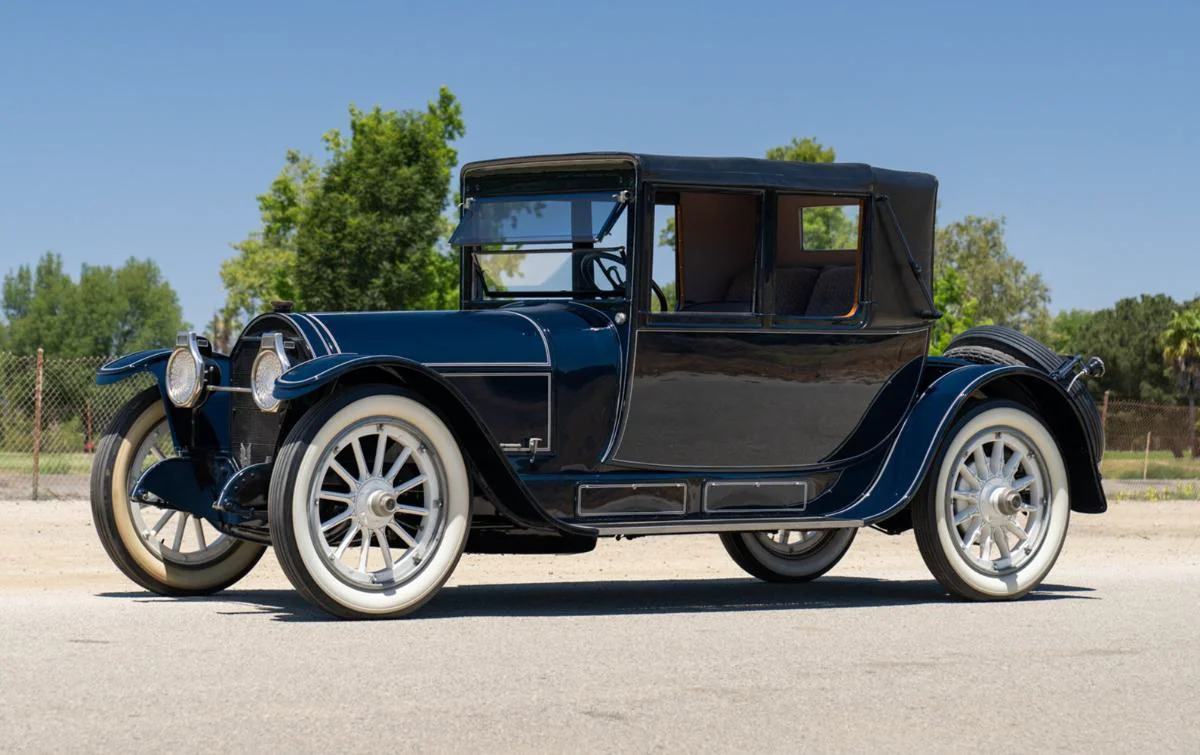
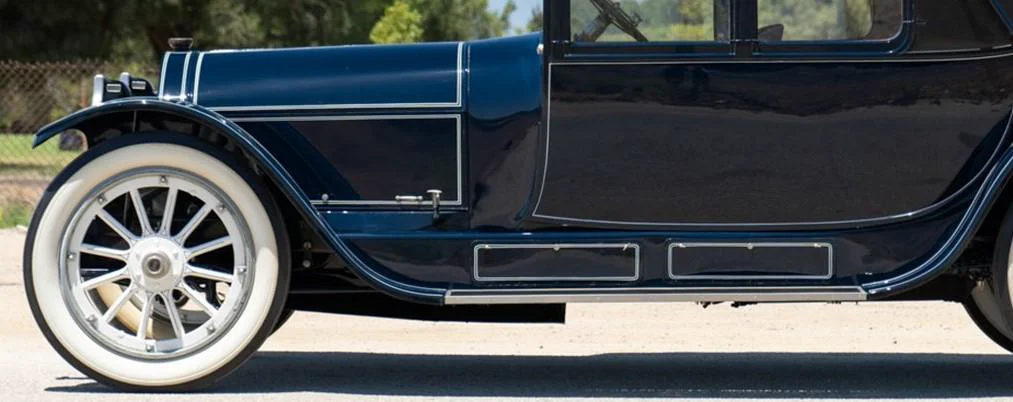
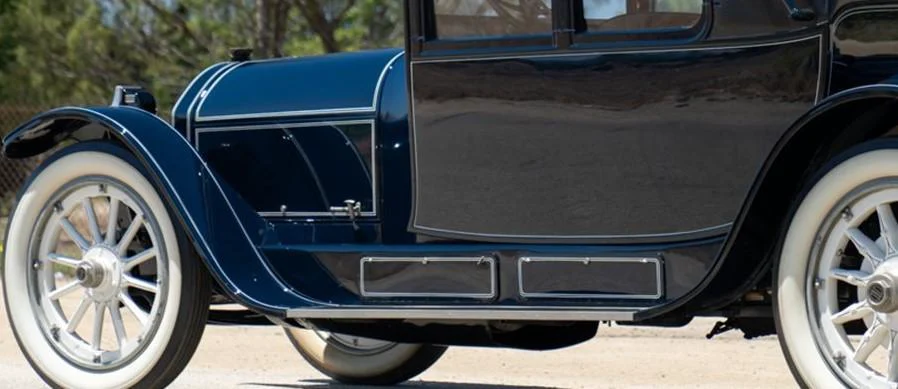
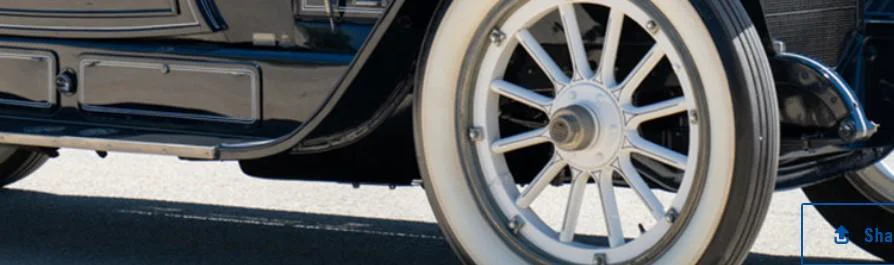
2. The unrestored 1916 collapsible cabriolet No. 10850 which was sold in 2018 for 473.000 $
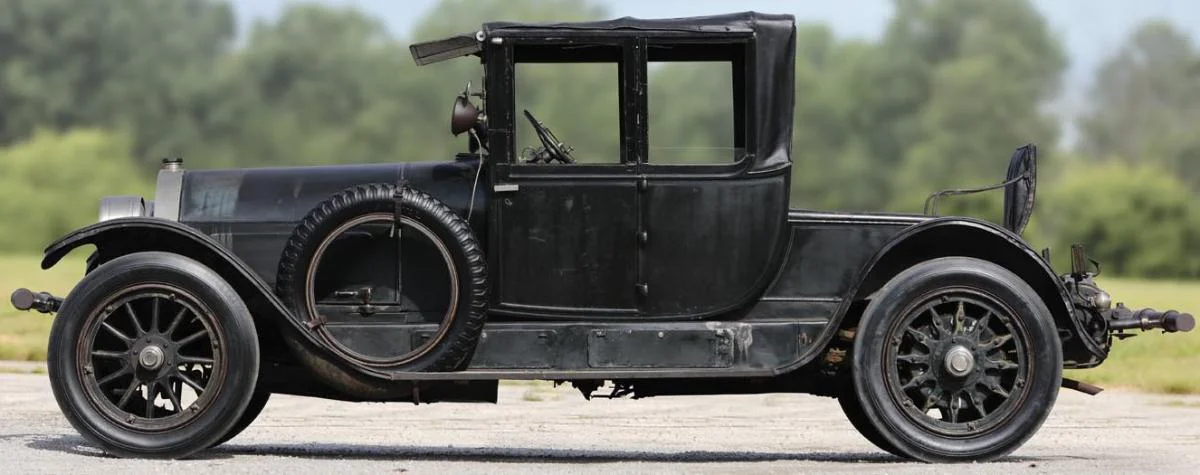
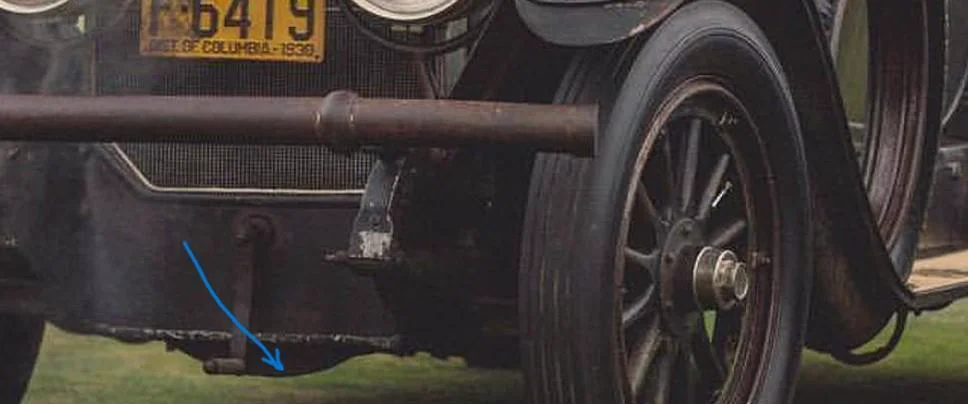
3. The Kimball-bodied town car No. 18009. John I hope you will read this and reply with some useful information?
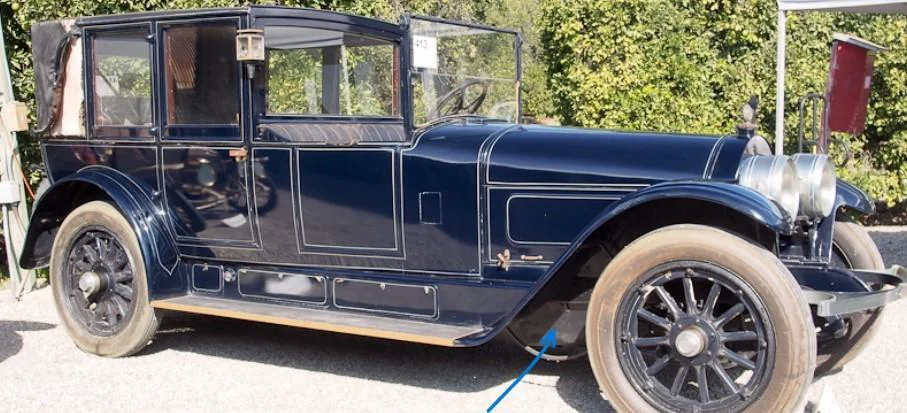
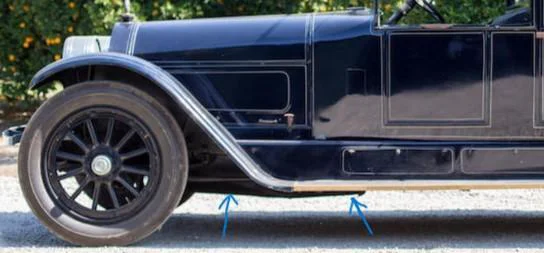
4. The 1914 Kellner-bodied Berline which seems to belong to someone in Vermont, Ct. I wish to get in touch with the owner, also for his Westinghouse air suspension.
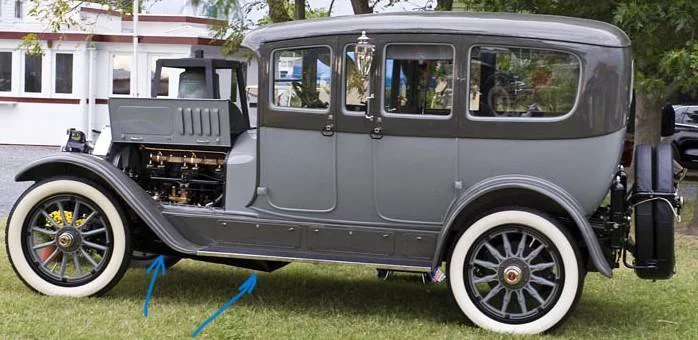
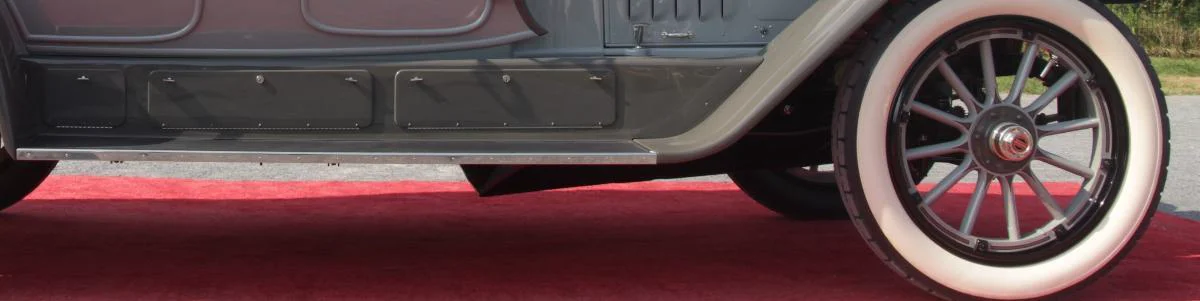
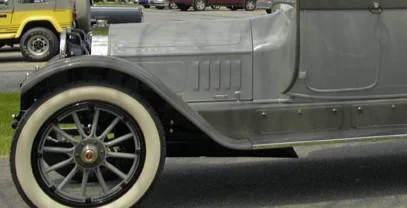
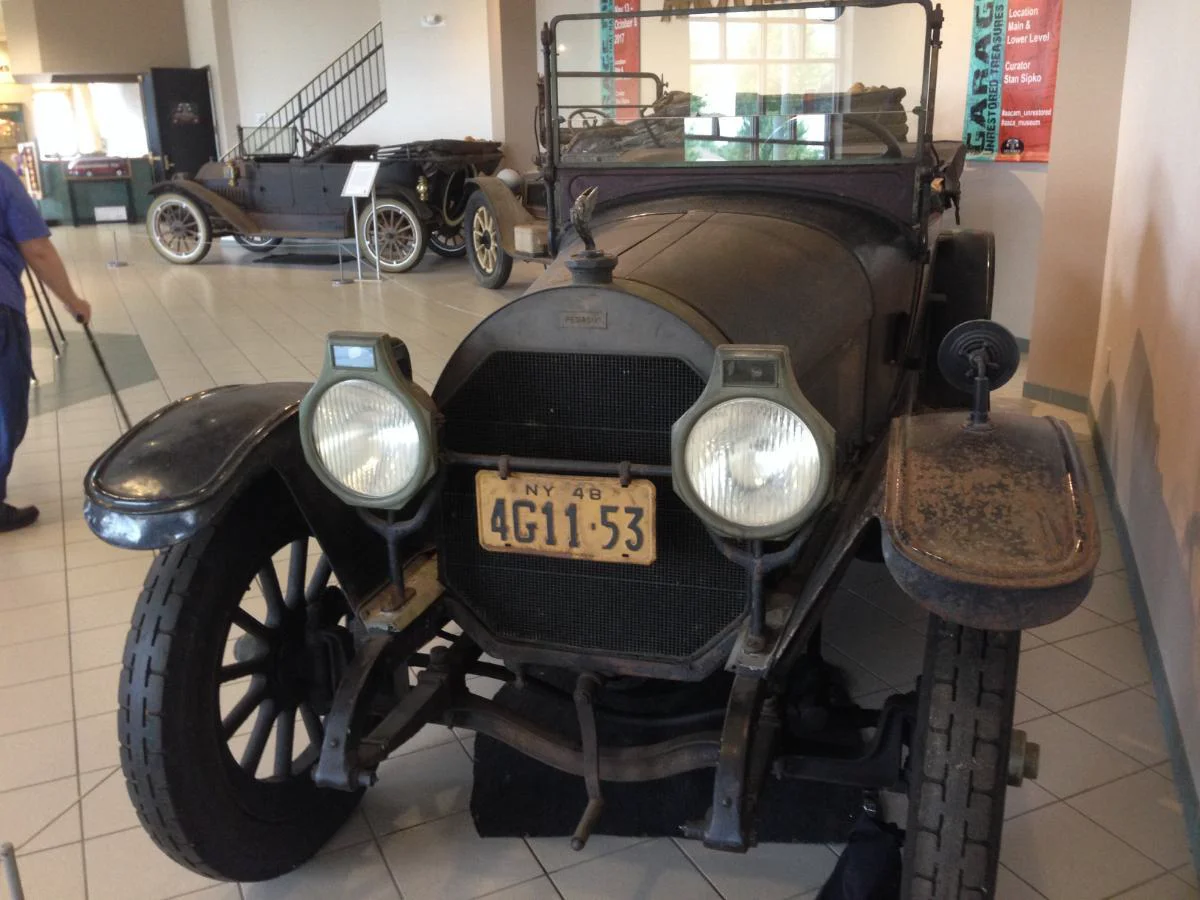
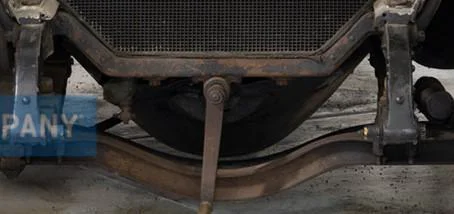
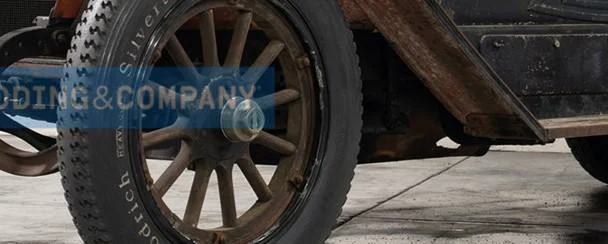
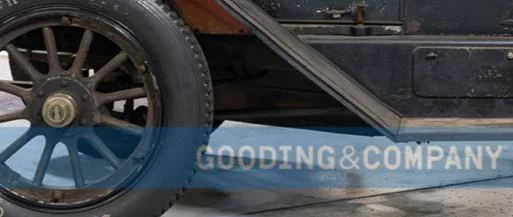
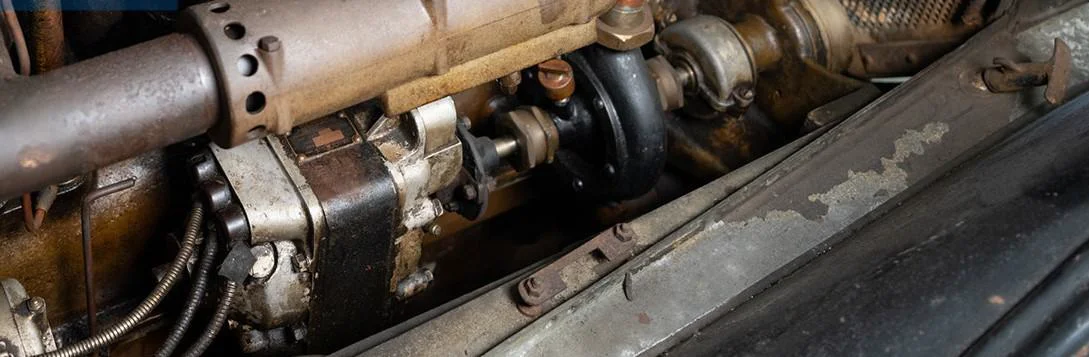
5. Pegasus, the original 1916 roadster No. 10865 from the Mark Smith collection recently sold by Gooding. I saw that car myself when it was exhibited in the Hershey museum in 2017, but at that time I failed to climb under it and take detailed photos. At least one is showing a bracket which appears to be Y-shaped for better load distribution into the light sheet metal.

I personally cannot provide you with an answer, but I admire the diligence of your research in posting the question. Someone here has the answers, good luck.
Steve

Frank,
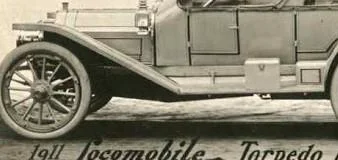
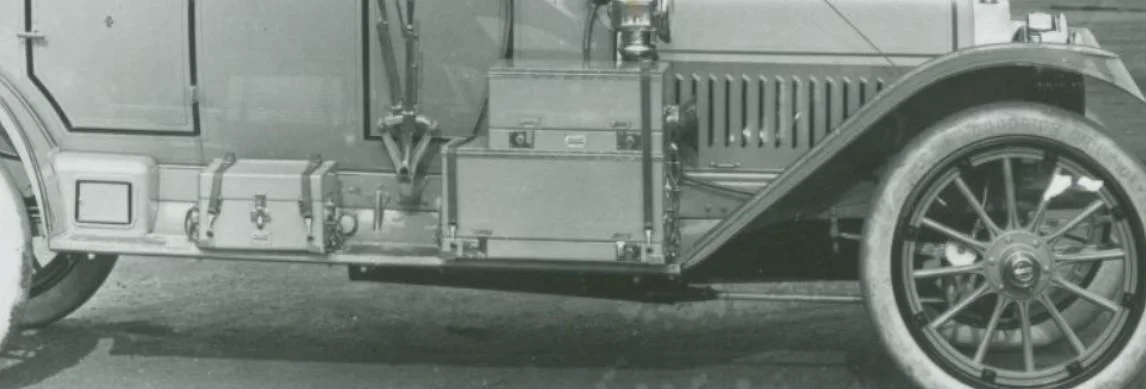
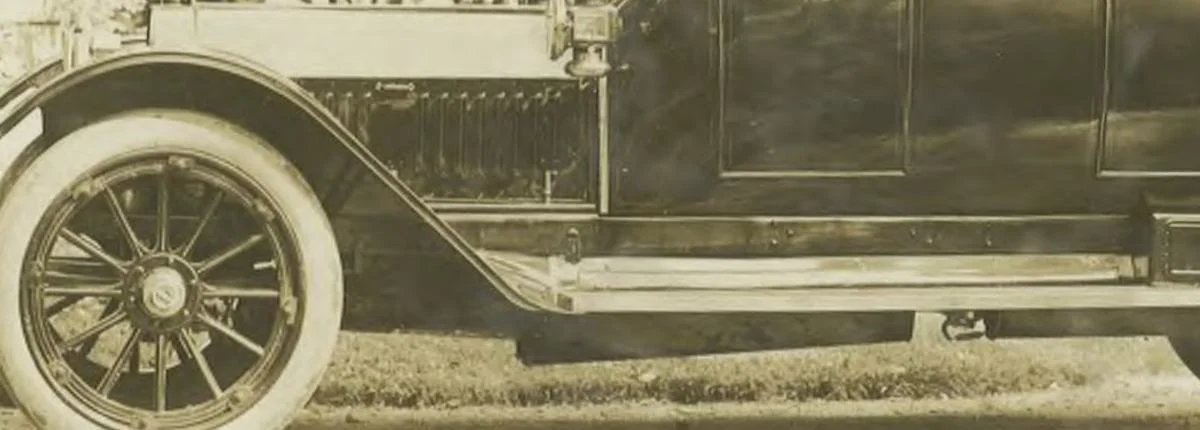
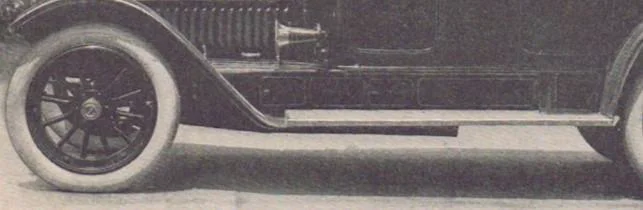
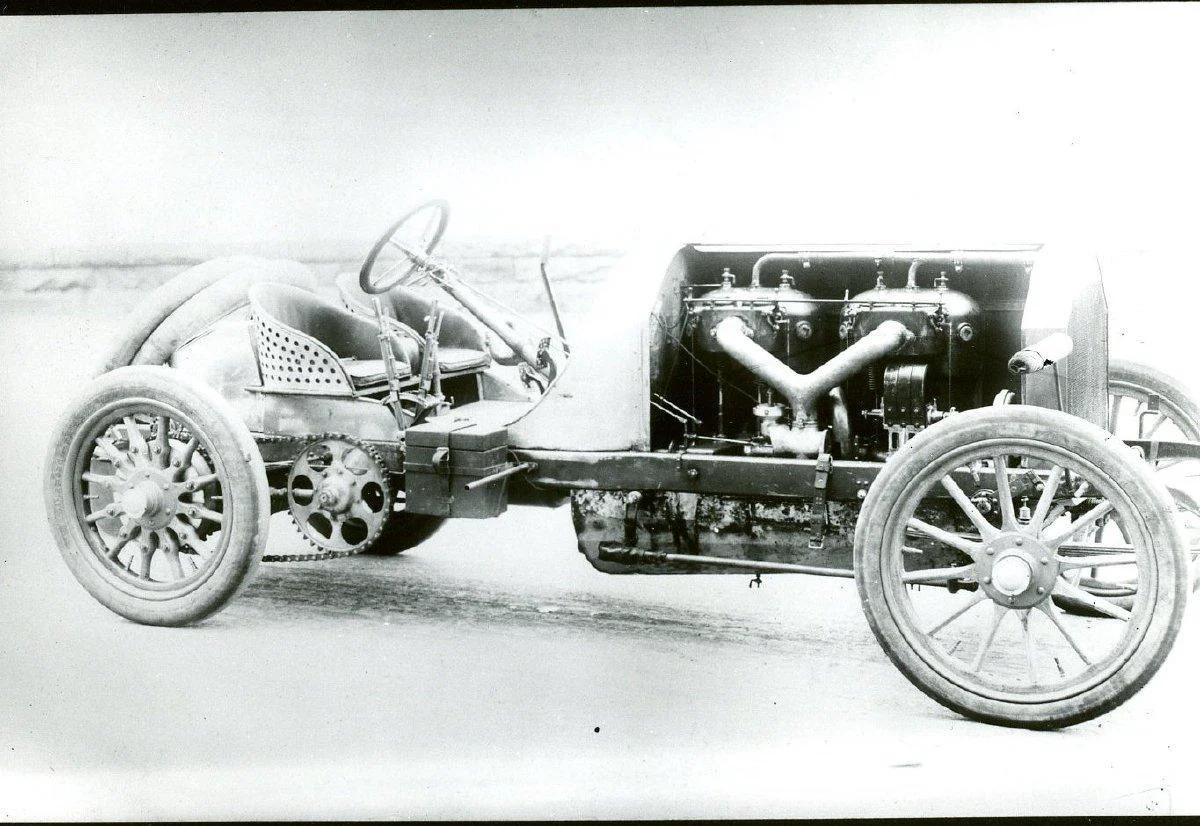
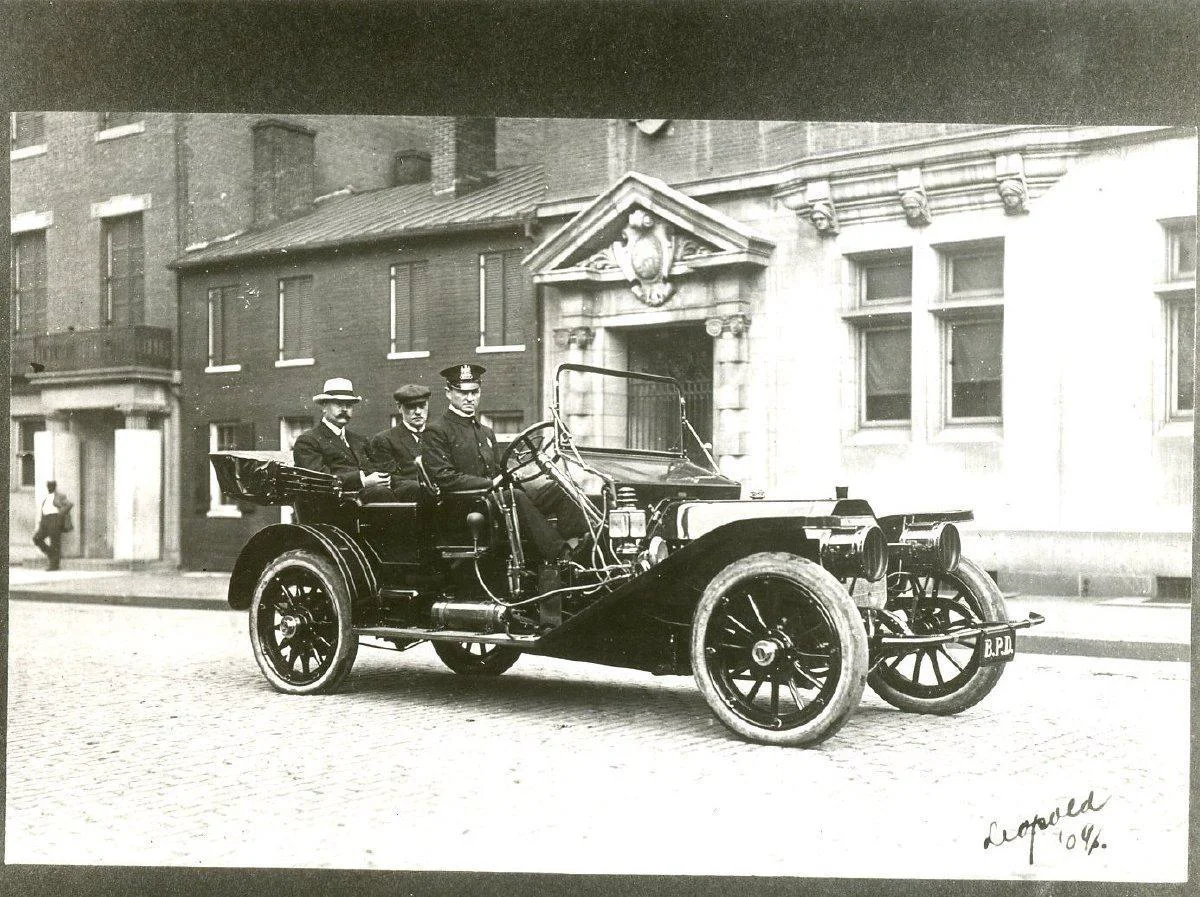
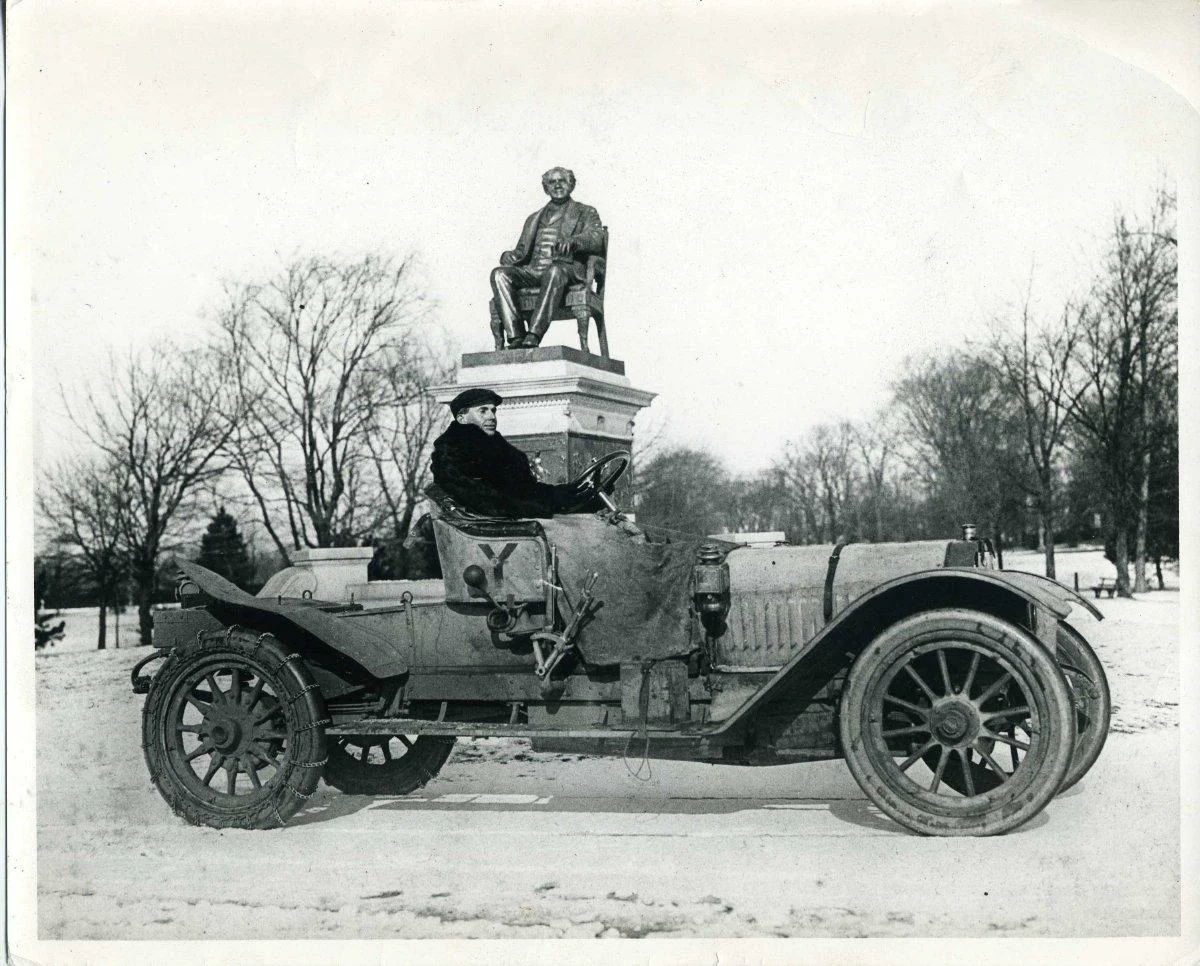
From the Bridgeport Historical Library archives are three period photos. No interior frame photos seem to show the detail and some are earlier than when this was adopted. Here is a photo of a Loco racer, a Bridgeport Police vehicle and a car with William Buckley in front of the P.T. Barnum statue (supposedly taken in 1910 but not sure if the car is from that year - maybe later?). They all seem to show the belly pan - the last pretty clearly. I believe you have identified an overlooked feature. Now does the trailing edge of the pan have a baffle? If so driveway oil spots may never have been an issue for a Loco owner.
...Dan.
prewarnutSep 17, 2023Frank,
From the Bridgeport Historical Library archives are three period photos. No interior frame photos seem to show the detail and some are earlier than when this was adopted. Here is a photo of a Loco racer, a Bridgeport Police vehicle and a car with William Buckley in front of the P.T. Barnum statue (supposedly taken in 1910 but not sure if the car is from that year - maybe later?). They all seem to show the belly pan - the last pretty clearly. I believe you have identified an overlooked feature. Now does the trailing edge of the pan have a baffle? If so driveway oil spots may never have been an issue for a Loco owner.
...Dan.
Thanks, Dan! I don't know about a baffle, but I am quite sure the engineers thought well about all details. I hope some response from Loco owners will help to answer our question.
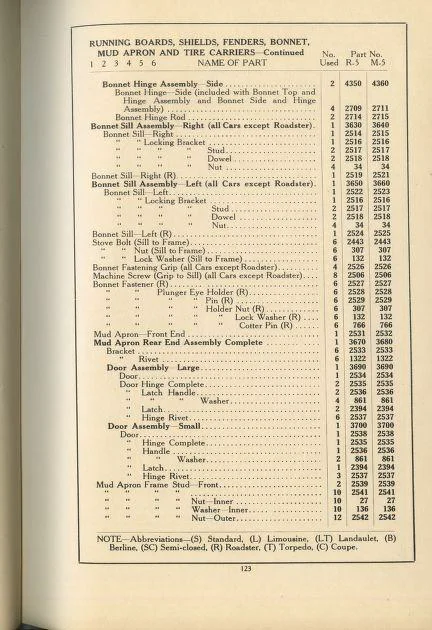
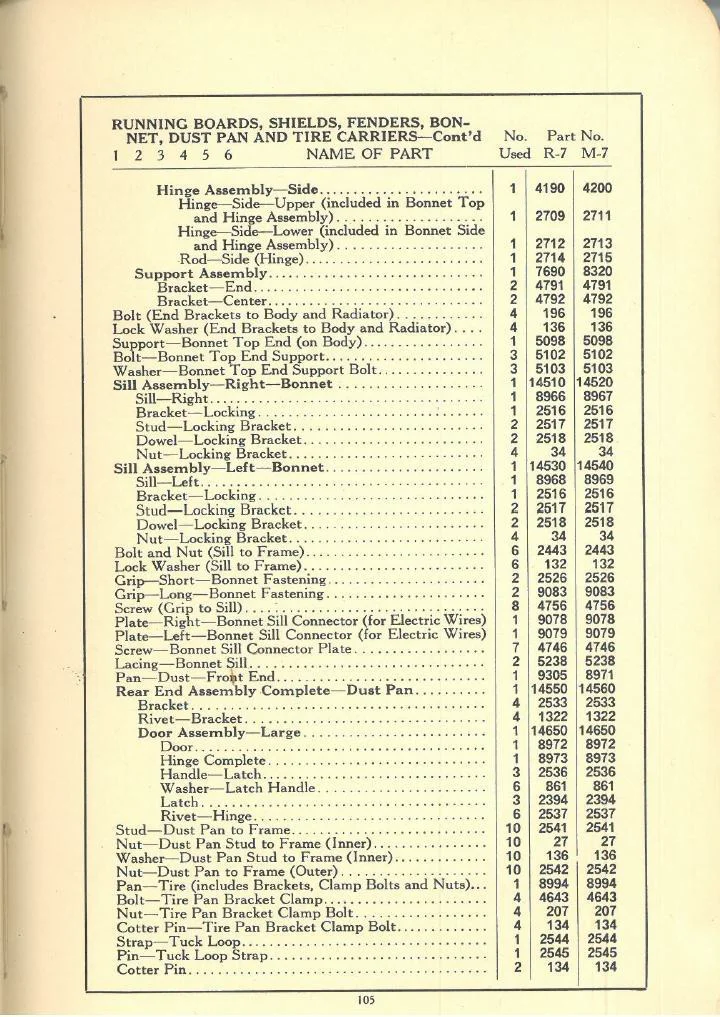
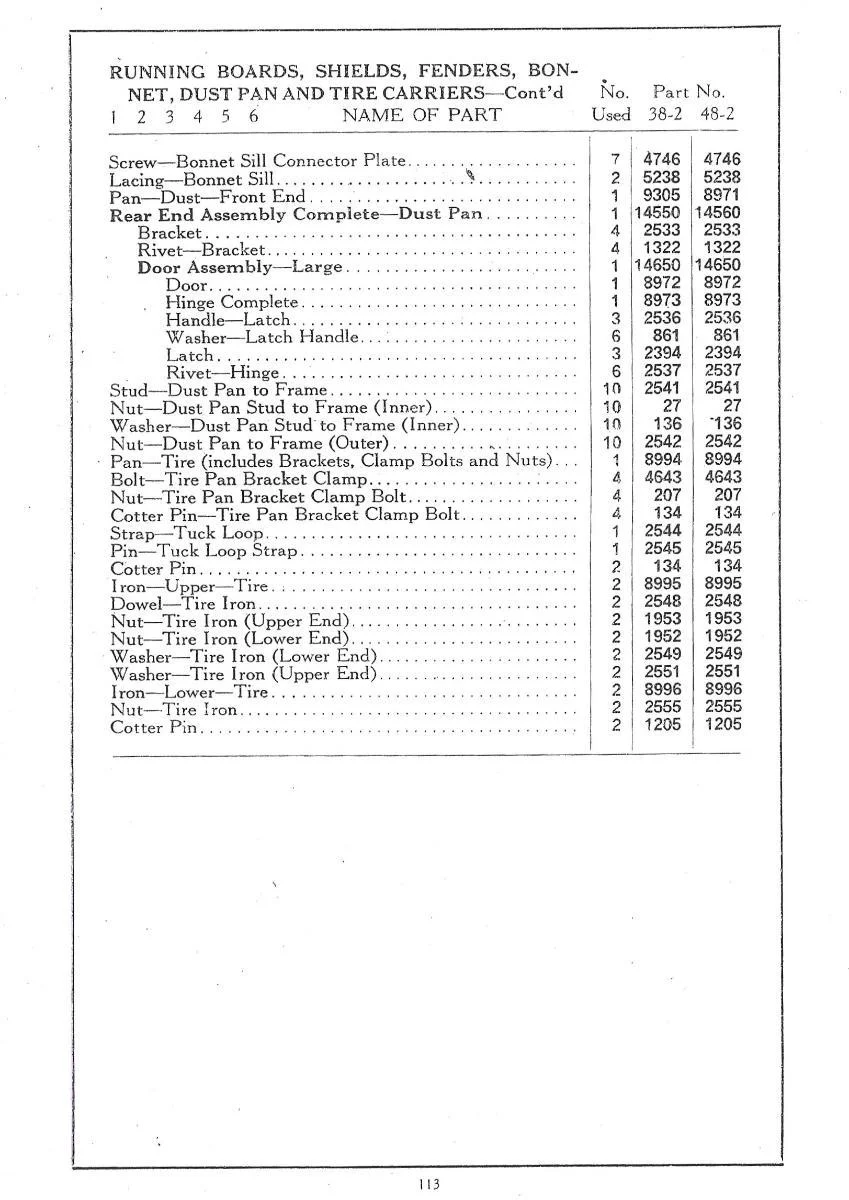
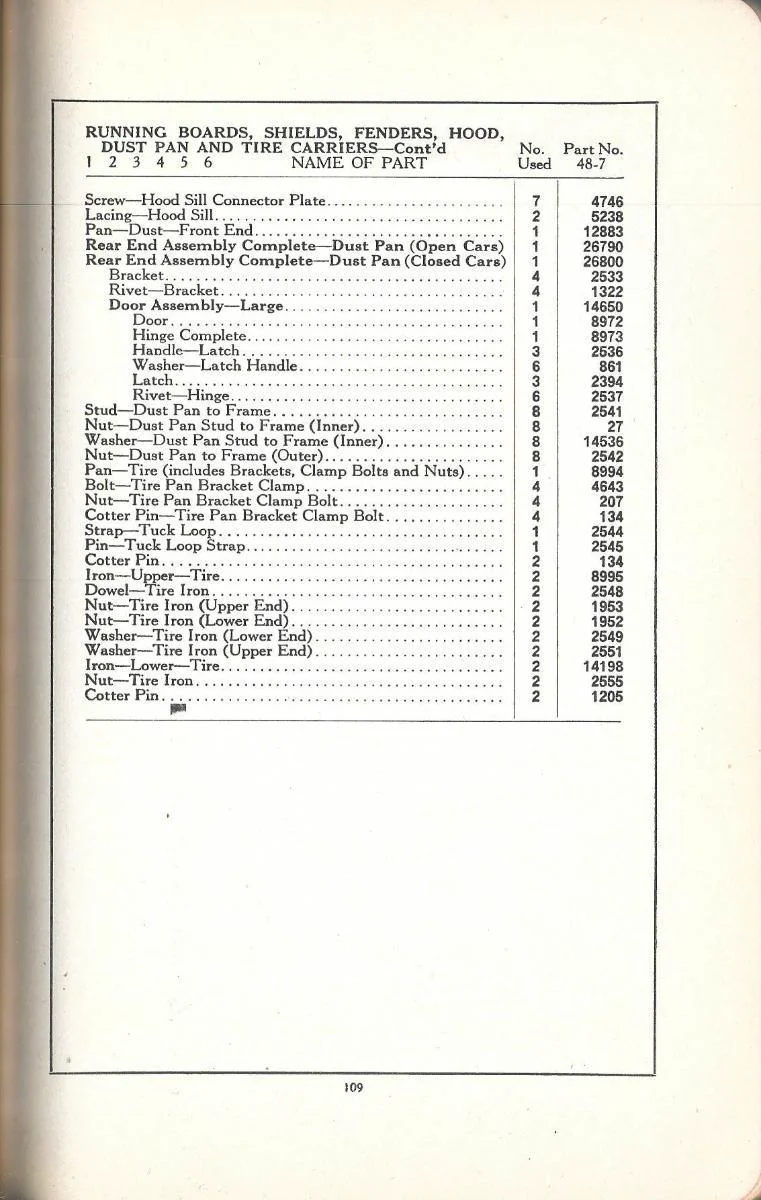

Some of us believe that those dust pans can contribute to fires, especially with updraft
carbs that release spare gas when the cars don't start. The collection of gasoline and oil
in these pans and the occasional backfire can be a disaster.
Some early cars have the flywheel cut with fan blades and had no fan. In those cases the pans were
necessary to get the air flow through the radiator.
Johnny
jcrowSep 18, 2023Some of us believe that those dust pans can contribute to fires, especially with updraft
carbs that release spare gas when the cars don't start. The collection of gasoline and oil
in these pans and the occasional backfire can be a disaster.
Some early cars have the flywheel cut with fan blades and had no fan. In those cases the pans were
necessary to get the air flow through the radiator.
Johnny
I returned Saturday from the annual 5-day Modoc Tour which had eleven RHD (i.e., through 1920) Pierce-Arrows which were originally equipped with what we today call "belly pans." Most of those cars' owners on this tour had removed the belly pans in the interest of safety as Johnny has described. Some collectors, however, keep them on for authenticity and, perhaps, judging points--because lack of an installed belly pan is often fatal to judging success. Several of us engaged in a discussion about those issues. On *this* tour we saw a 1912 Hudson so equipped dump about a quart of oil from its belly pan when parked diagonally on a heavily banked street. Several of us recalled an incident about 15 years ago when a Pierce 66 hp had an engine fire on the road from accumulated leaked gasoline in the belly pan. (Mercifully, the fire was quickly extinguished but the hood was well scorched and I don't know the extent of the damage to the engine, but the car was back on the road within a year.)
I can only speak to Pierce-Arrows. Later Pierces with updraft carburetors (1929-1932 8s) have drain tubes from the carb through the splash pans to the ground, mitigating the problem. When an engine with an updraft carb is shut down, the vaporized fuel in the intake runners condenses and flows back to the already-full carburetor, creating a spill. If that spill is retained within a belly pan and thus kept close to the engine and its sources of ignition, a dangerous condition is created. My 1918 48-B-5 came with a belly pan which I removed for cleaning and to better service the engine. I had intended to replace it but had second thoughts on the safety issue, so four years later the belly pan is in storage but not installed.
Several of us are contemplating an initiative to change PAS judging rules to permit no loss of points in judging competition for lack of a belly pan--perhaps accepting a photograph of a belly pan to demonstrate that the belly pan for that car exists. If a club/society values the driving of such cars, they should consider such an approach.

George, Your point is well taken. Why don't you share a few "high points" of this years Modoc tour?
Al
alsfarmsSep 18, 2023George, Your point is well taken. Why don't you share a few "high points" of this years Modoc tour?
Al
Thanks, Al. This week I'm frantically preparing the 1918 and my truck and trailer for a run beginning Saturday to St George and Bryce Canyon UT for the HCCA Nickel Era Touring Registry's 6-day, 600-mile tour of those areas.
Briefly, however, we had 43 cars this year on the Modoc of which 42% were Pierces, but also plenty of Model Ts. Greater than usual number of riders-with-others due to (1) age and infirmity and (2) projects not completed in time. Terrific weather: 45-low 80s, no rain. I had a rider from NY who just acquired a Series 51 and was soaking this unique cultural experience all up, including the deer crossing Main Street in Alturas and in the back yard of our rented Air-B&B house.
And so as not to completely hijack this thread, a couple of Locomobiles!
GrimySep 18, 2023I returned Saturday from the annual 5-day Modoc Tour which had eleven RHD (i.e., through 1920) Pierce-Arrows which were originally equipped with what we today call "belly pans." Most of those cars' owners on this tour had removed the belly pans in the interest of safety as Johnny has described. Some collectors, however, keep them on for authenticity and, perhaps, judging points--because lack of an installed belly pan is often fatal to judging success. Several of us engaged in a discussion about those issues. On *this* tour we saw a 1912 Hudson so equipped dump about a quart of oil from its belly pan when parked diagonally on a heavily banked street. Several of us recalled an incident about 15 years ago when a Pierce 66 hp had an engine fire on the road from accumulated leaked gasoline in the belly pan. (Mercifully, the fire was quickly extinguished but the hood was well scorched and I don't know the extent of the damage to the engine, but the car was back on the road within a year.)
I can only speak to Pierce-Arrows. Later Pierces with updraft carburetors (1929-1932 8s) have drain tubes from the carb through the splash pans to the ground, mitigating the problem. When an engine with an updraft carb is shut down, the vaporized fuel in the intake runners condenses and flows back to the already-full carburetor, creating a spill. If that spill is retained within a belly pan and thus kept close to the engine and its sources of ignition, a dangerous condition is created. My 1918 48-B-5 came with a belly pan which I removed for cleaning and to better service the engine. I had intended to replace it but had second thoughts on the safety issue, so four years later the belly pan is in storage but not installed.
Several of us are contemplating an initiative to change PAS judging rules to permit no loss of points in judging competition for lack of a belly pan--perhaps accepting a photograph of a belly pan to demonstrate that the belly pan for that car exists. If a club/society values the driving of such cars, they should consider such an approach.
Thanks a lot for the explanation, George! I didn't expect the trouble from that direction. I thought these belly pans or whatever you call them were primarily for protection from stones, dust and mud. This is not really necessary any more on modern clean roads. Secondly they are always in your way when you want to do something on the engine, so first thing before starting on any repair or maintenance is to remove them. Putting back might be an ugly job, I imagine. Especially if you dont have a car lift or an inspection pit. Therefore I thought that pan is the first part to be left away. Another thought is the beauty. A clean engine, especially after restoration, is nice to look at. The belly pan covers a good part and aditionally creates shadow down there. I am not yet sure I really want them...
Your comments on fuel spillage surprizes me a bit. Actually this is what I heard the day when I picked up my Locos. The friends of the deceased previous owner told me: You must pull the needle of the carburettor float until the fuel spills all over, the more the better, then the engine will fire up easier. Actually that was a desperate attempt to overcome the ignition problems which they had created by killing the Bosch dual coil high tension winding! And the leaky brass float had become a diver, which didn't help either.
Today I never touch the fload needle any more, and after having adjusted the fuel pressure in the tank and after lots of driving, the leakage is usually close to zero. Ok, when parking steep downhill in front of my house, you will see a small wet spot on the ground...a spoon full?...you are right.
Generally speaking about the danger of fire on a car, I believe Mr. Riker was far ahead of his time and did a really good job in this regard:
1. carburettor and exhaust are on different sides of the engine.
2. electric system has six fuses for all important circuits
3. Battery is far away from hot parts
4. Loco is equipped with fuel level gauge, there is no need to open the fuel tank except for refuelling
5. fuel-shut-off-valve before the carburetor can help in case of emergency
6. no any rubber hose in the whole fuel system, but strong brass pipes and metal connectors
In contrary, there are so many other cars, big and small, a bit newer and much more modern which are far more dangerous even when they were new.
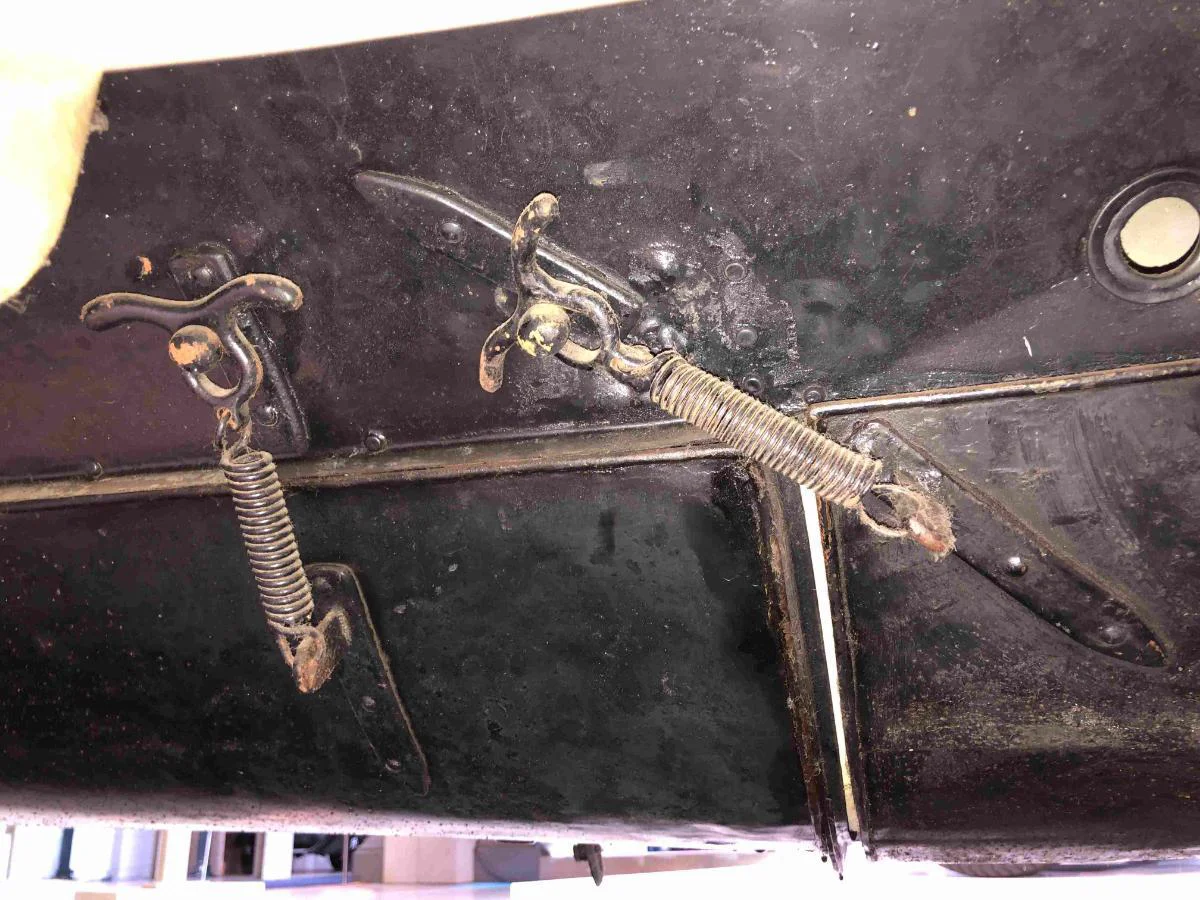
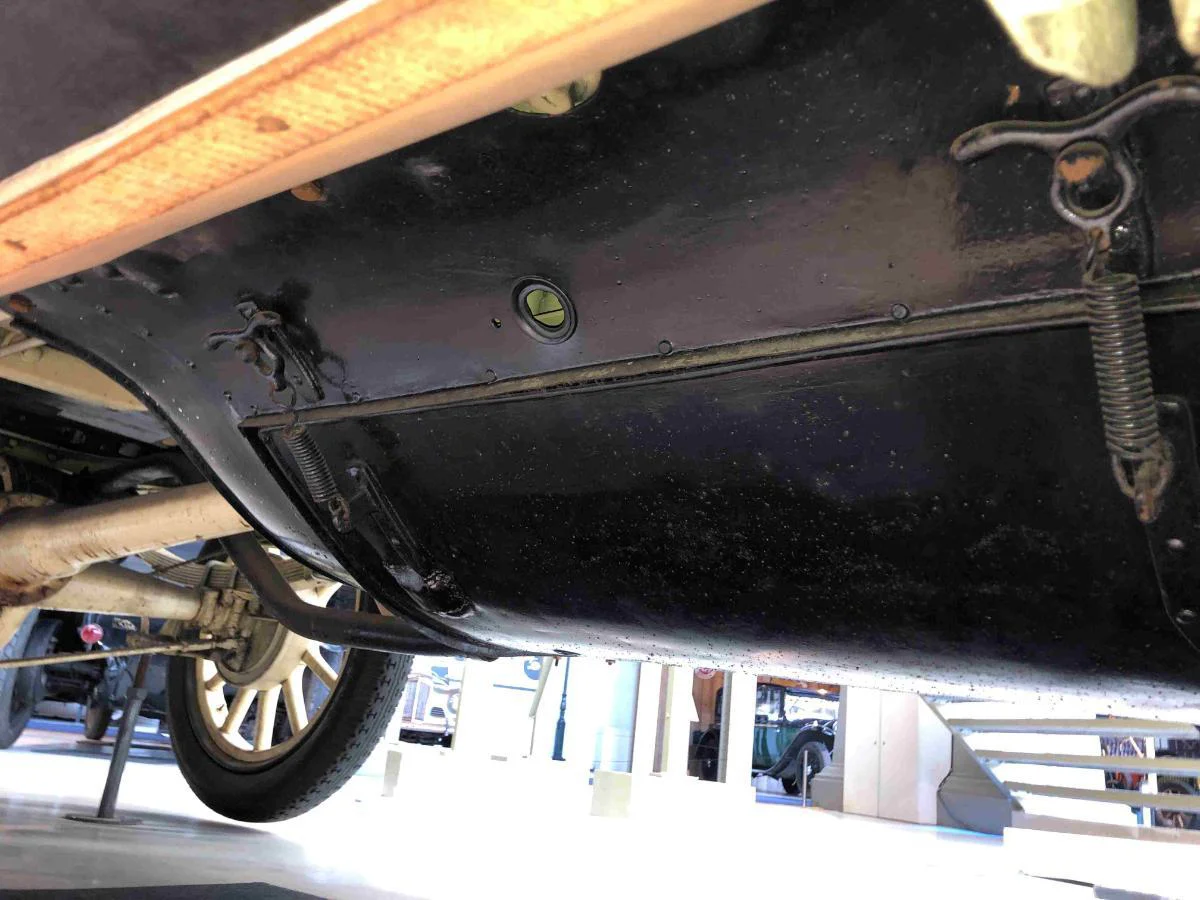
Back to the belly pans. You said it accumulates oil and/or fuel. Is it closed at the bottom, like a bath tube?
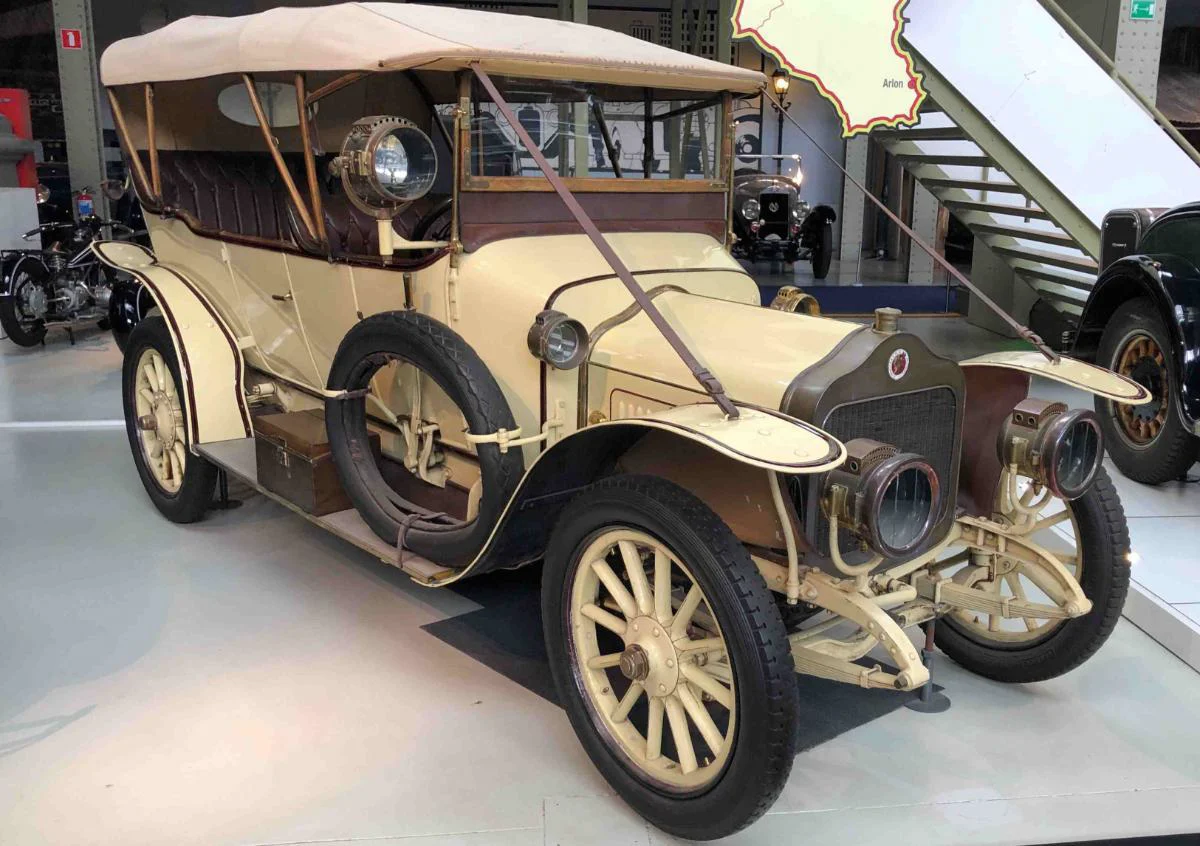
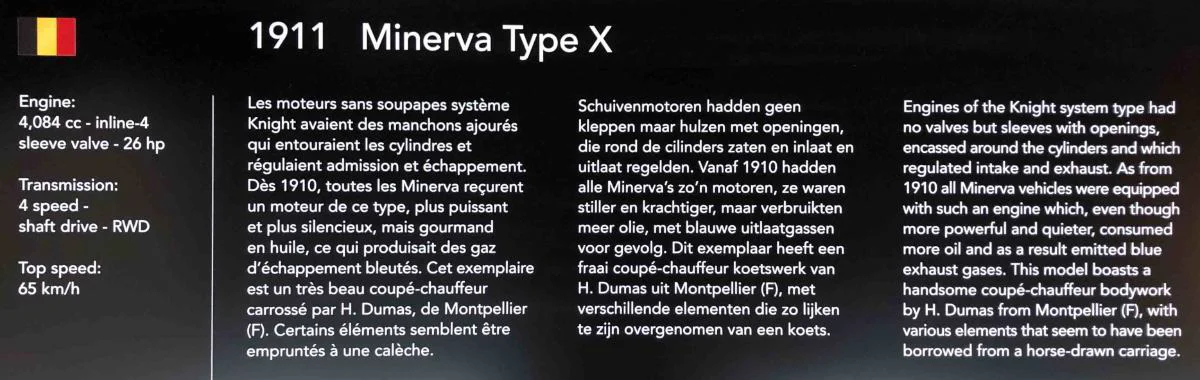
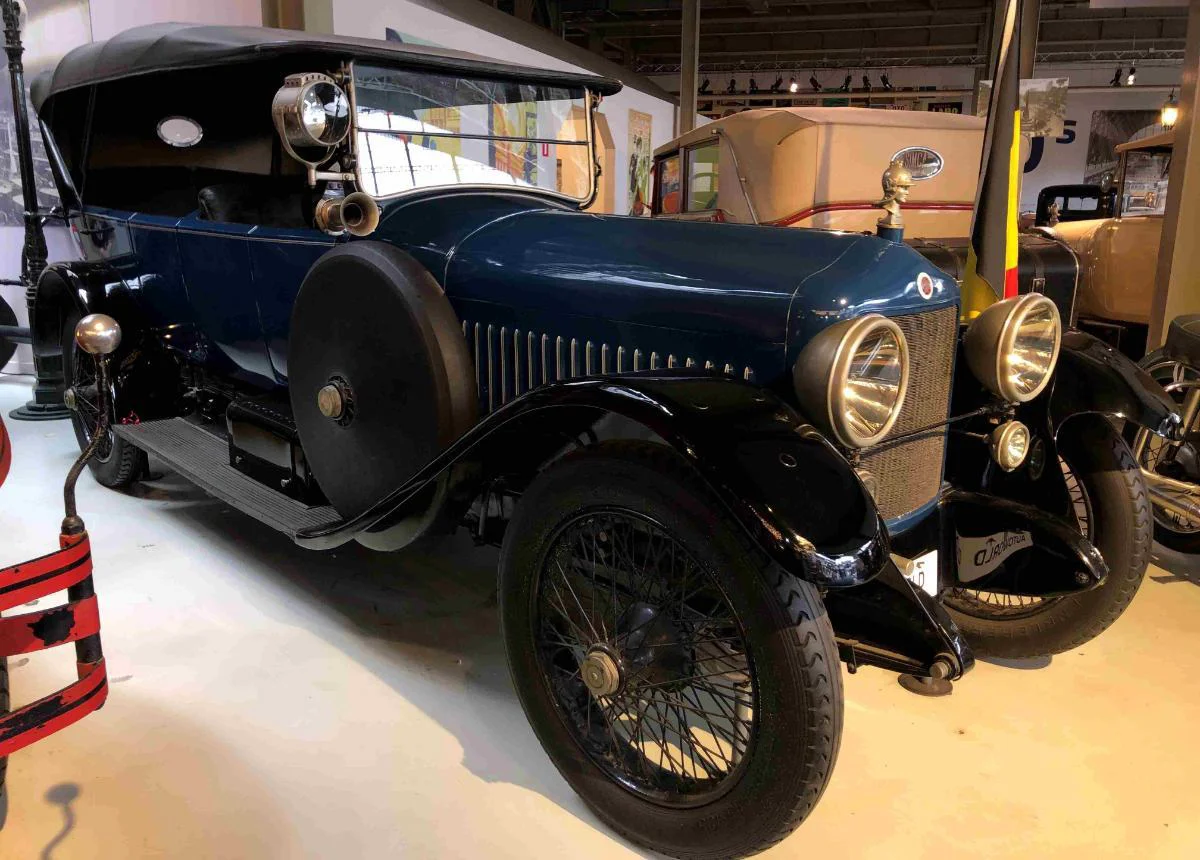
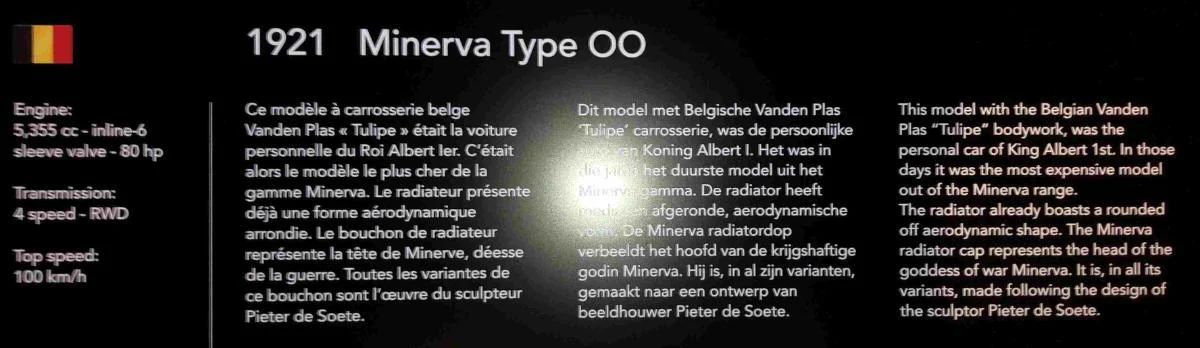
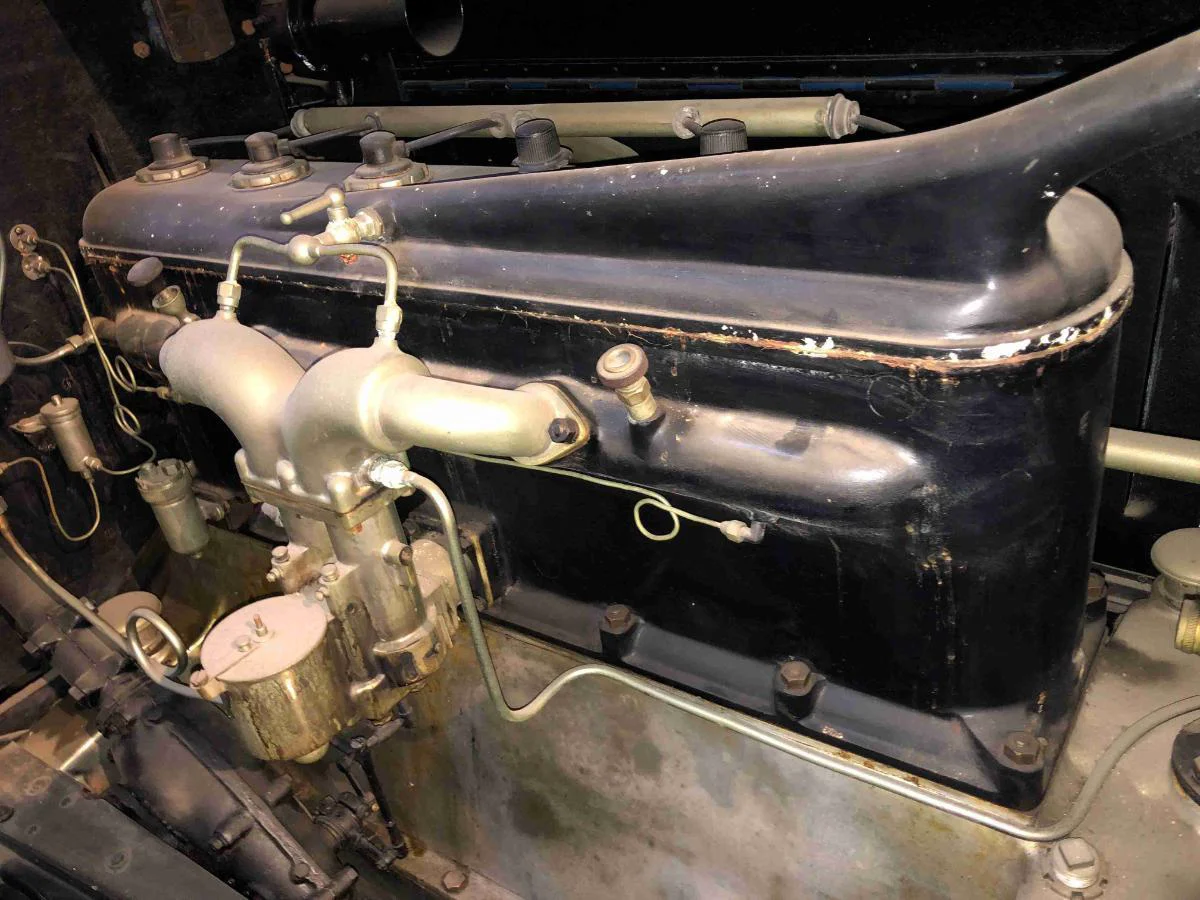
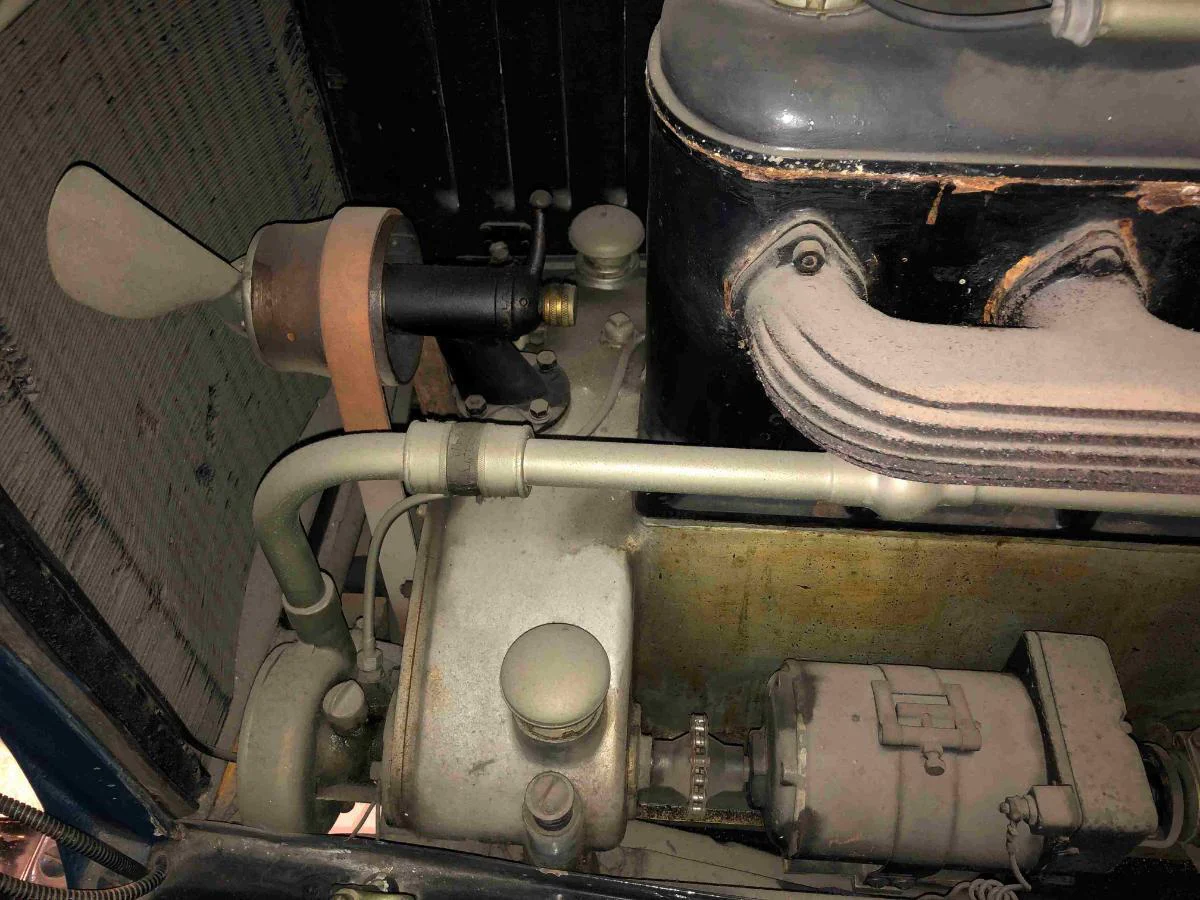
See the Minervas. They seem to have little air scoops (the 1911 car) or round holes in the center (the 1921 car). Aditionally there are several small access doors, which do not look oil-tight. How did Mr. Riker design the Locomobile pans? Some photos would be nice. Pierce or Loco, all are welcome for our understanding.
Thanks! Frank
To join in the conversation, you must be a club member.
You’re welcome to read and like every post. Members can reply and start topics of their own.