

@prewarnut

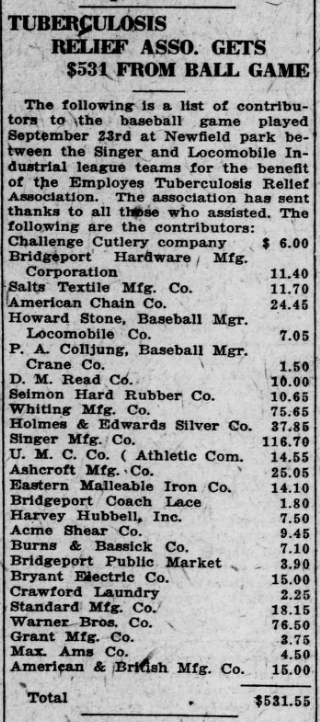
Locomobile Co. workers participated in organized baseball, bowling and other extracurricular activities against other factories and companies in the area. From The Bridgeport Evening Farmer 10/19/16:
WW1 Locomobile tank 1917. Photo credit Tank Porn site. News photo.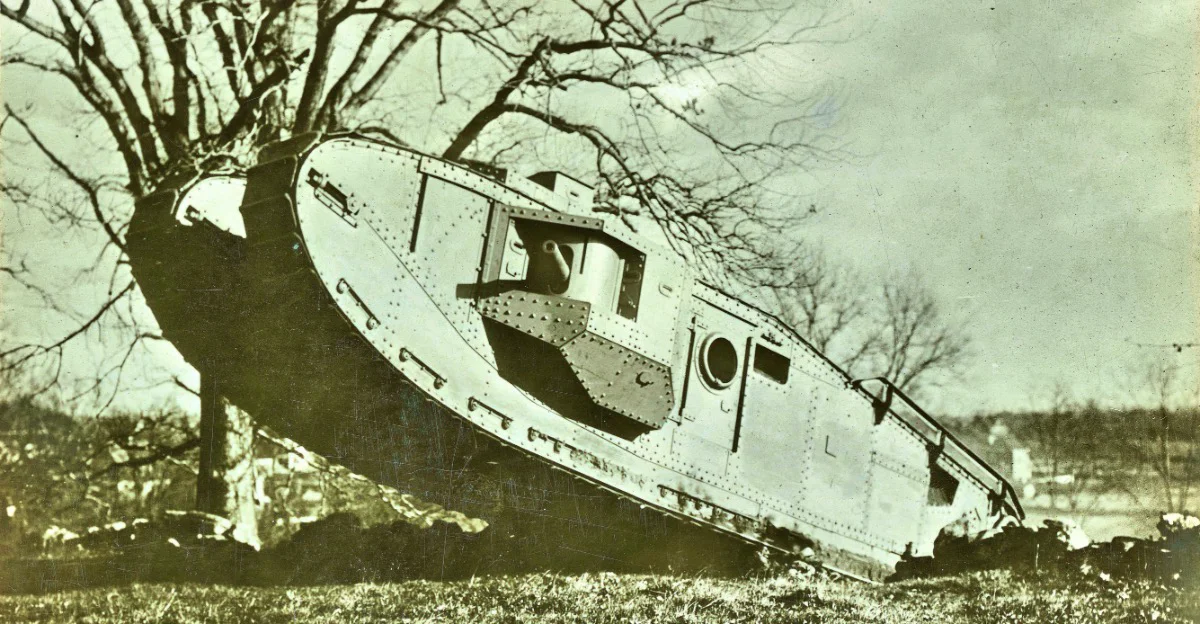
Mr. Riker's Locomobile was stolen and then recovered. I wonder if this spurred him to ensure all future Locomobiles would be fully locked both with ignitiion and also with hood and accessory cover locks (as they would advertise in future years).
From the Bridgeport Evening Farmer 10/10/11:
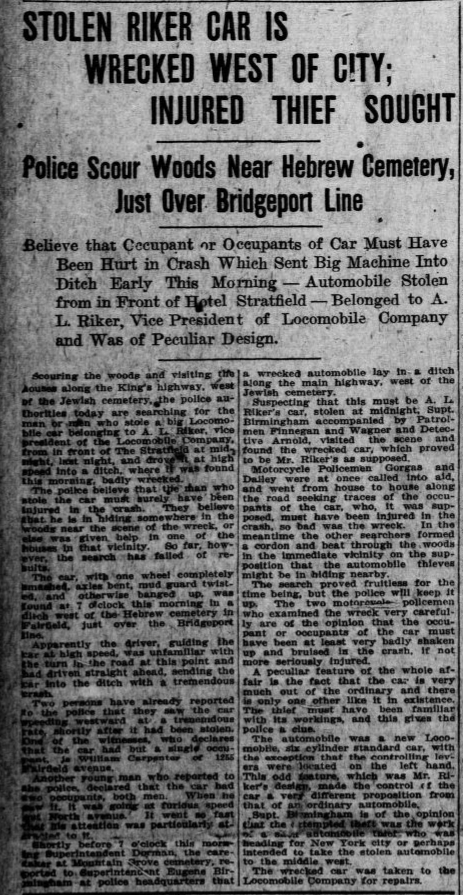

This article call for a "big" Locmobile car. I wonder what model it was?
Al
I have seen very much regarding Locomobile and Riker during the WW1 years and shortly after. That is a big story in its self.
Al
Perusing the 1926 CT vehicle registrations I came across Mr. Riker's personal cars. I am amazed that after leaving the company with Mr. Durant assuming control and developing the Flint based off some of the production lines that he owned one. For Flint owner or collectors, if that's not a late testimonial I don't know what is! This may be his son given the suffix but at any rate...


prewarnutAug 9, 2022Perusing the 1926 CT vehicle registrations I came across Mr. Riker's personal cars. I am amazed that after leaving the company with Mr. Durant assuming control and developing the Flint based off some of the production lines that he owned one. For Flint owner or collectors, if that's not a late testimonial I don't know what is! This may be his son given the suffix but at any rate...
prewarnutAug 9, 2022Perusing the 1926 CT vehicle registrations I came across Mr. Riker's personal cars. I am amazed that after leaving the company with Mr. Durant assuming control and developing the Flint based off some of the production lines that he owned one. For Flint owner or collectors, if that's not a late testimonial I don't know what is! This may be his son given the suffix but at any rate...
This is an absolutely amazing find, hard to believe. What can we learn from that?
1. The Riker family had four cars registered under their name, which is quite reasonable, considering their status, and owning several yachts and so on. In 1926, the father was 58 years old, A.L.Riker Jr. was in his 30s.
2. His son owning a no more than 2 year old Flint is understandable with the Locomobile-Durant-connection.
3. owning a similarly new Chevrolet Superior Coupe is strange, such a small (weighing not even 1/3rd of a Locomobile 48) and really cheap car, but perhaps for town use or for the servants?
4. Still using a bit outdated 1922 model 48-8 Locomobile Limousine might have been done because it was still a big, representative car, and of his own design. I wish to know how this car was equipped, does anyone know where chassis number 18103 is today?
5. Listing the 1917 Locomobile Tourer model 38 (R) is not understandable for me. What was so special about chassis numbere 12062 that is was still used when nine years old?
What so special is the owner was the designer and builder. Isn’t that enough?
I may write a new post regarding the CT motor vehicle lists. I have seen a few wealthy (maybe not so wealthy) families that had 2 or 3 cars in 1926 and one car was a much cheaper car. In many cases it was as you mention, probably something for the "staff" to use or for menial trips.
I noted this finding above, 1) in case someone has RIker's serial number, but mostly 2) because I had previously seen on one of the Flint group websites that the Flint was considered a "baby Locomobile." I know the styling has some similarities but the running gear is quite different and rims, suspension, placement of ther parking brake, etc are all different - so not a real clone in any sense. Given that, I think the moniker was a "slight" to Locomobile. Here, however to see the "father" of later Locomobile products have a Flint on the property was a little startling. I have seen a good number of Flints registered in CT in the 1926 book so there was a good marketing or distribution network to make it happen. I haven't quite counted but I'd be willing to bet 100-200 Flints in CT out of 74,000 registrations. That's a healthy number despite the math making it a low percentage.
There was discussion on another thread about the mystery of Locomobile's coachbuilders. For the 1917 year (at least) that was advertised out in the open so no mystery. Per the write-up some of Loco's vehicles were displayed at the coachwork's stand and not under Locomobile. Also note the write-up discussing a semi-matte finish to the paint. I have not seen this and wonder if anyone has. I suppose one could pull up to a concours in primer and claim it is a "factory original type of finish" - with this ad in hand that is....
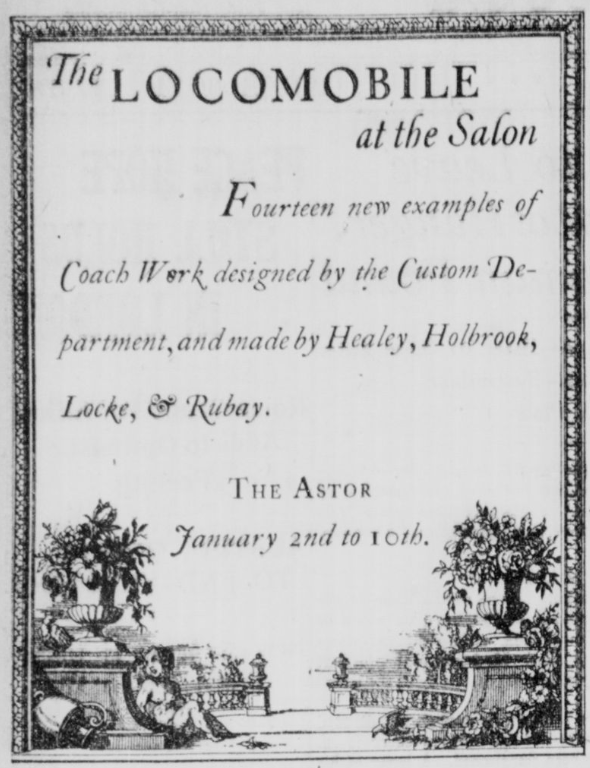
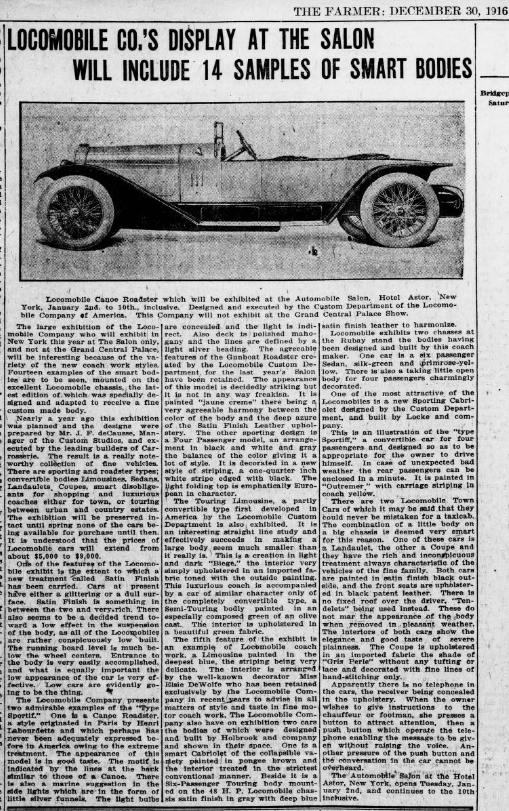
Same wording as the one I posted sometime back. Nicer photo of the canoe roadster.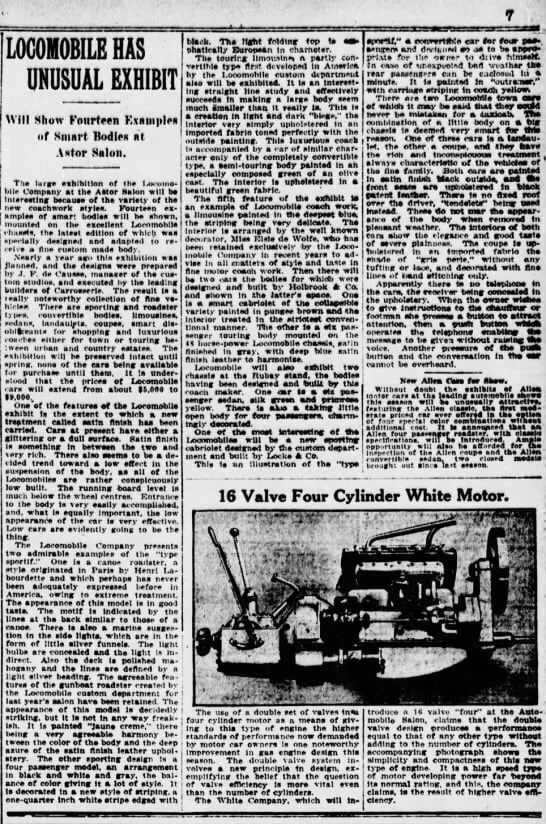
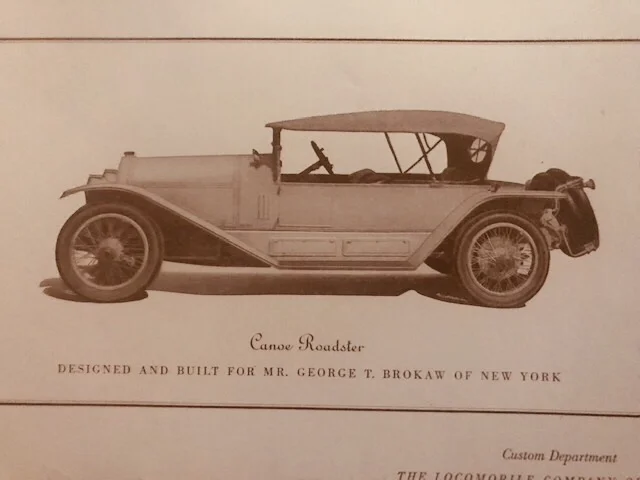
deCausse came to work sometime in 1914. Davis dies early 1915. War production of trucks and cars 1916-1917. deCausse coming out was at this show in 1917. He commissioned many coach builders to produce his designs.
Original company essentially broke by 1919. Very short window for great examples to be built by the original company.
prewarnutAug 9, 2022There was discussion on another thread about the mystery of Locomobile's coachbuilders. For the 1917 year (at least) that was advertised out in the open so no mystery. Per the write-up some of Loco's vehicles were displayed at the coachwork's stand and not under Locomobile. Also note the write-up discussing a semi-matte finish to the paint. I have not seen this and wonder if anyone has. I suppose one could pull up to a concours in primer and claim it is a "factory original type of finish" - with this ad in hand that is....
Your first post with the Russian Locomobiles requested dull gray paint maybe they started a new fad.
Here is a question for the automobile historians among us, I assume that during the Durant years, the only Marque to come out of Bridgeport would have been Locomobile and that would be the 48 and maybe the 90. Does anyone here have clear information on this subject?
Al

While I can’t recall the story, it was published somewhere that the build was repurposed quickly after production stopped. I can’t remember the details, but it was probably a CCCA publication.
I assume that most of the Durant venture took place in Detroit.
Al
Other than the famous Vanderbuilt Cup or other national races a local author suggested that Locomobiles were raced at Seaside Park on the horse track. I found that interesting as it was a somewhat meticuous park initially. Currently it is on the National Register of Historic places, designed in part by Fredick Law Olmstead. Yet, I can confirm they did get special permission (at least once) to do this and offered townspeople an event to watch. I suppose the legal team was off doing something else that day.😁
From the Bridgeport Evening Farmer, 5/14/14:
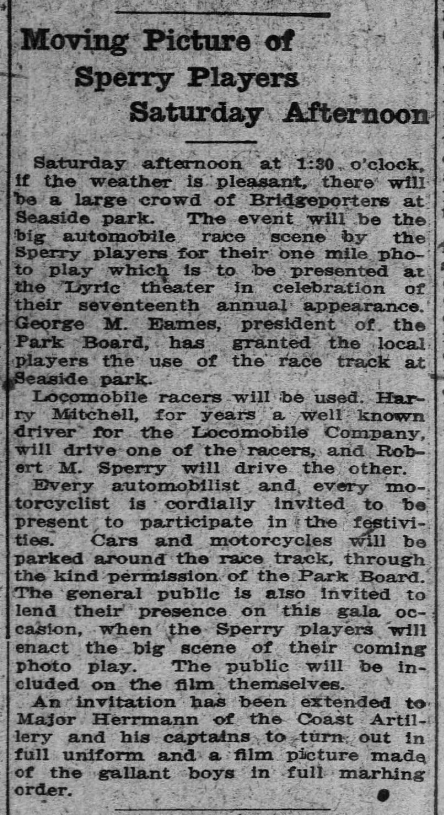
That is interesting. Do you suppose this is more of a publicity event than an actual competition race?
Al
alsfarmsAug 11, 2022That is interesting. Do you suppose this is more of a publicity event than an actual competition race?
Al
I would guess so. In reviewing the local paper I think Locomobile received a lot of goodwill from the city. Probably most of the other manufacturers did too. I think they maximized their publicity through the WWI period. Even when there was a threat for workers to strike (I have seen some of those clippings) the company seemed to be kept in the best of light.
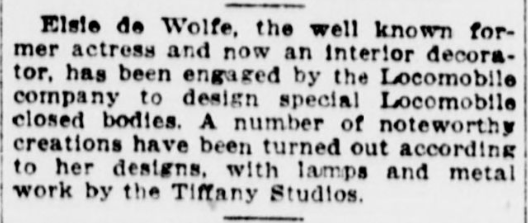
From the New York Sun, 5/16/15:
To join in the conversation, you must be a club member.
You’re welcome to read and like every post. Members can reply and start topics of their own.