

@IttenbacherFrank
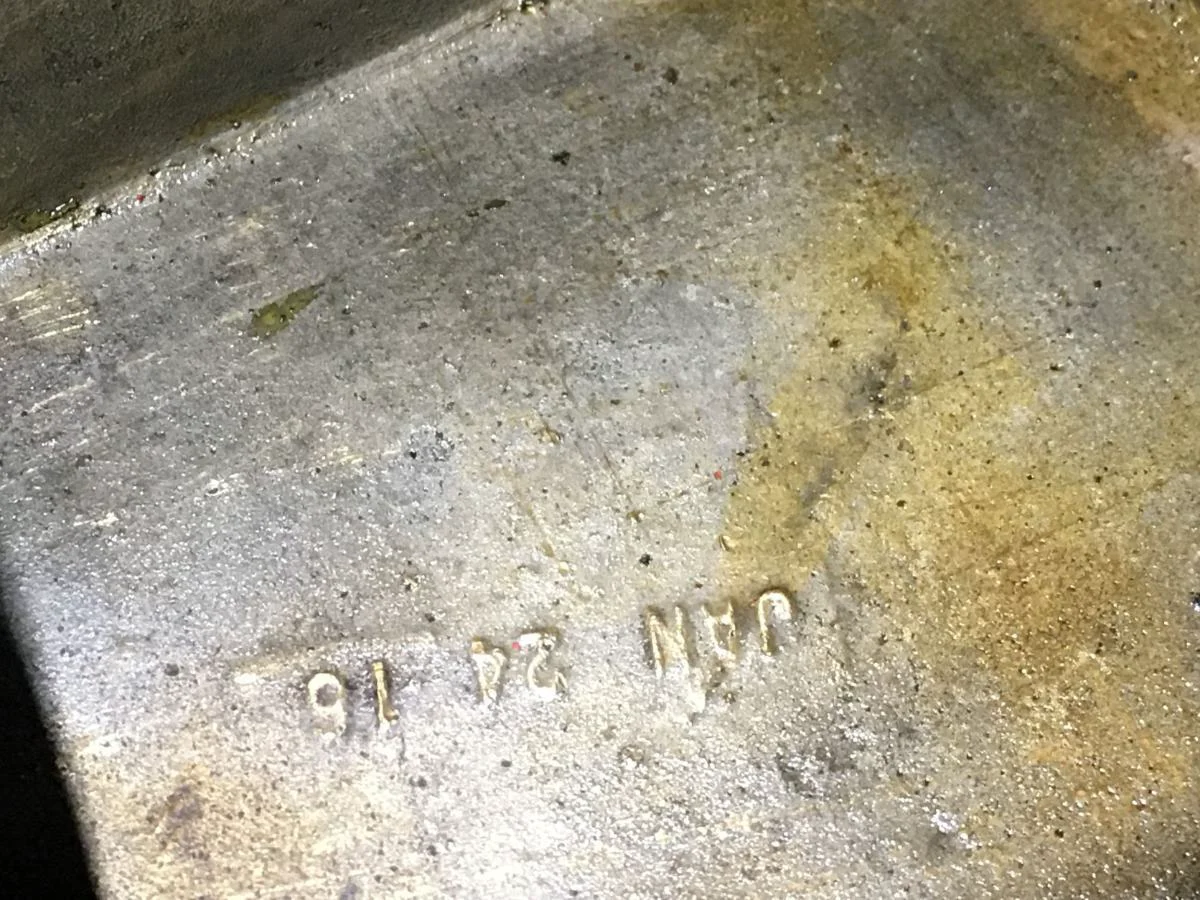
On the 1917 model you can find the crankcase casting date on the rear right engine support arm (behind the handle for checking the oil level): Three letters for the month, two digits for the day and two digits for the year. The same system applies to the transmission date which is cast into the bottom of the lower case.
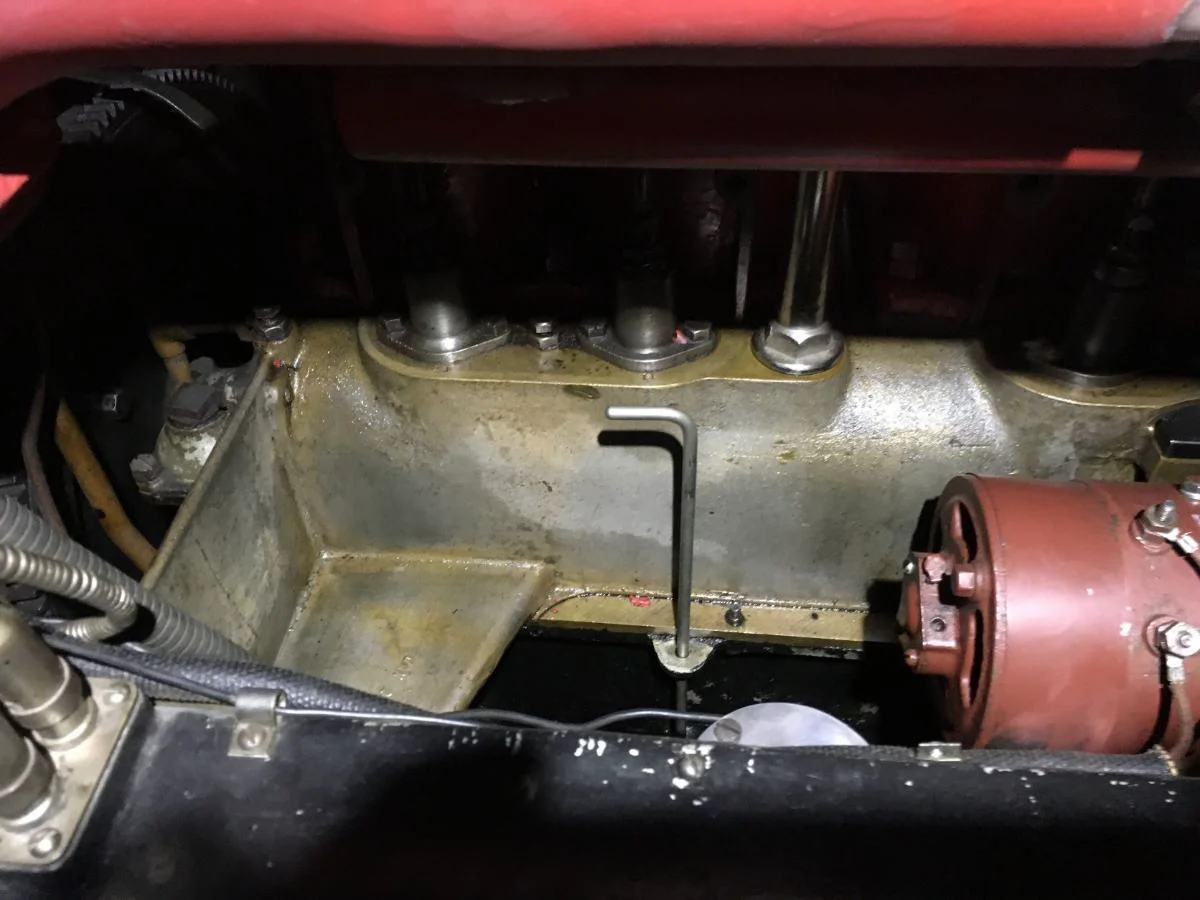
On each cylinder barrel's bottom flange (left side, hiding behind by the inlet valve covers) are dates stamped "2 digits for month - 2 digits for the day - 2 digits for the year". I assume this was made when the cylinder's machining was finished, before it was assigned to a specific engine.
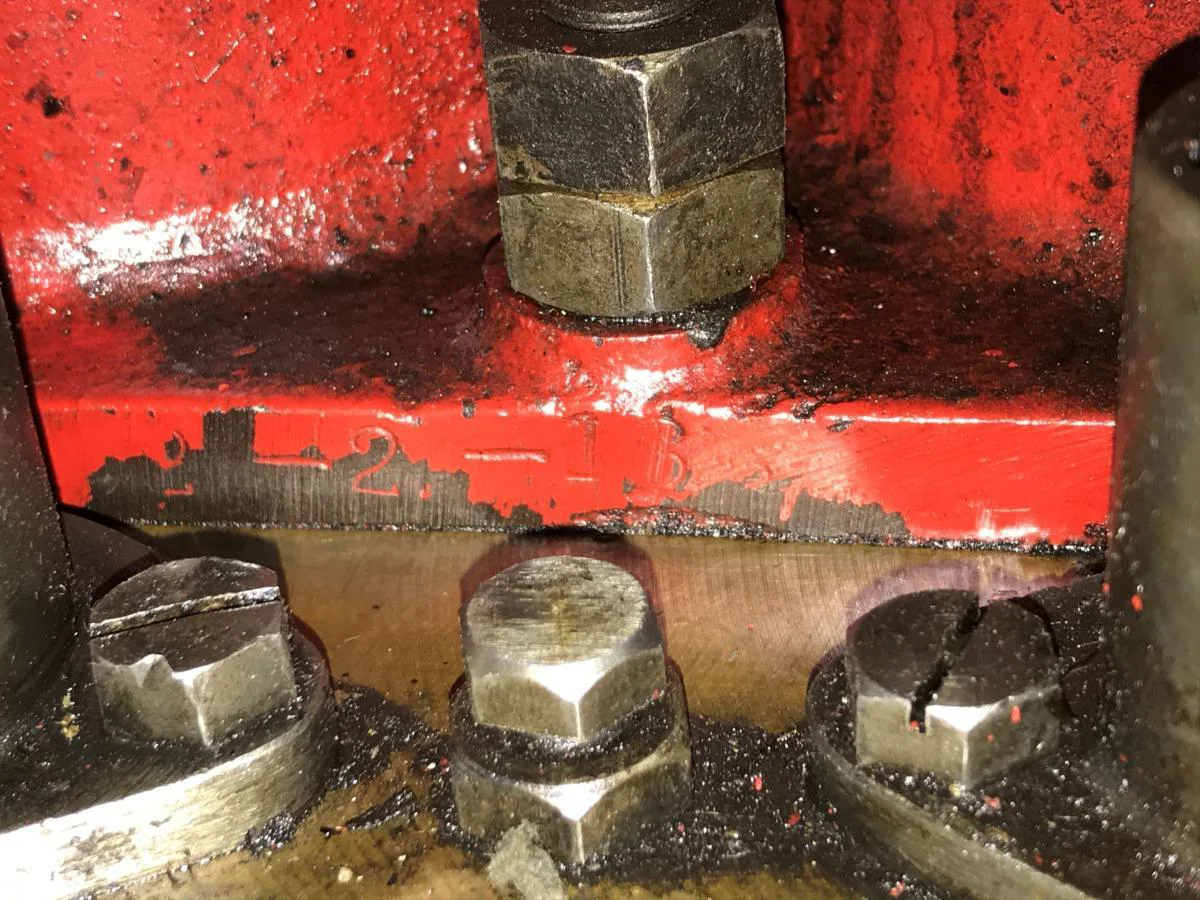
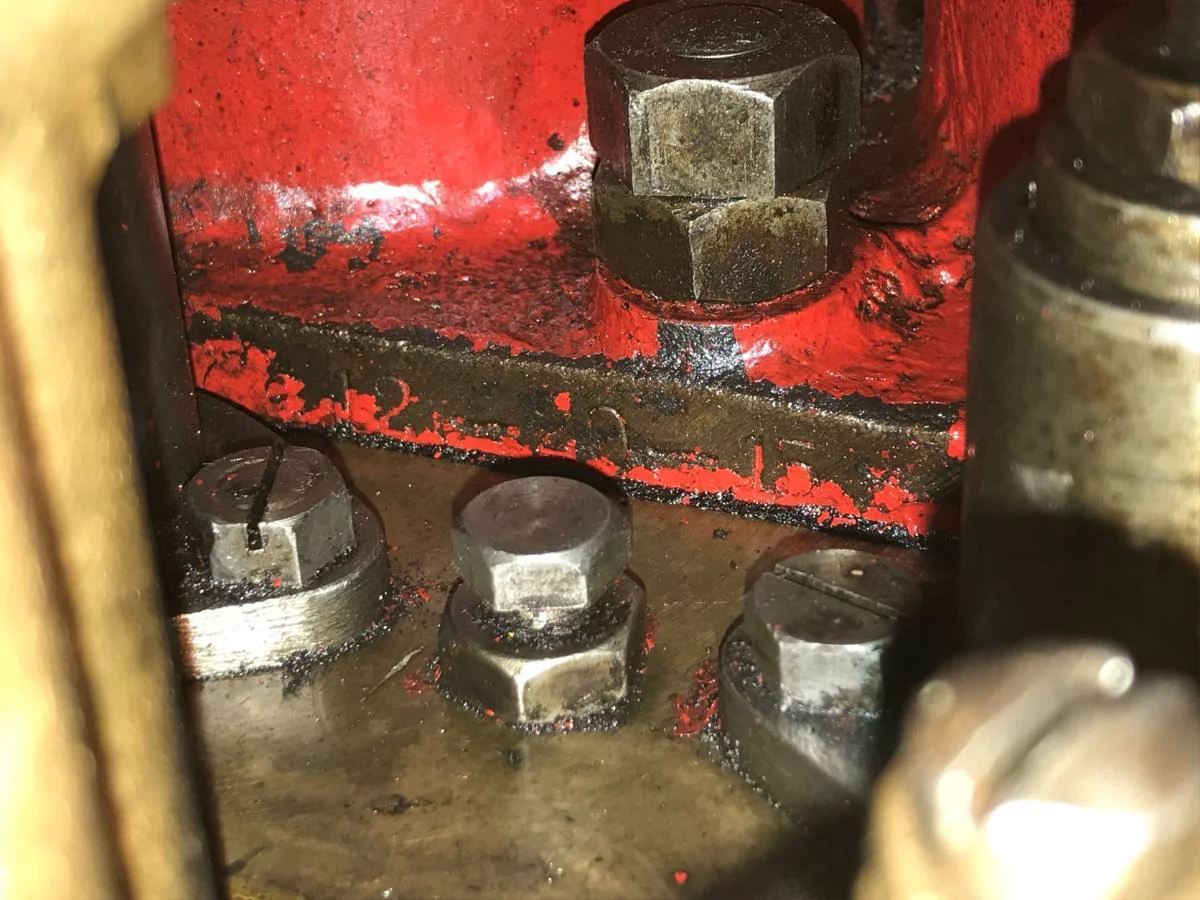
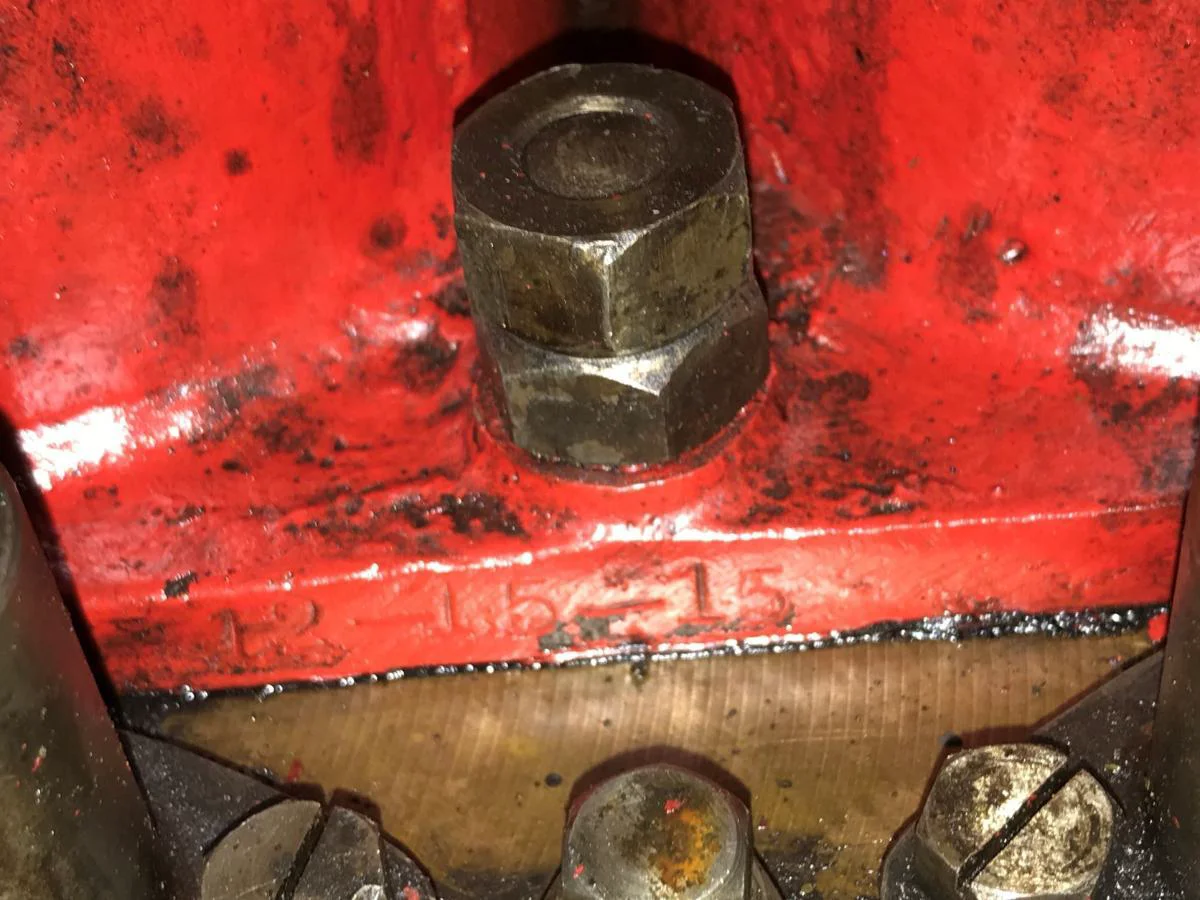

Very interesting numbers subject. It appears that the jugs on your 1917 were held in stock until needed or your engine was rebuilt at a later date using parts? What is your thinking? As I can I will check numbers on the 1925 Demarest Limousine.
Al
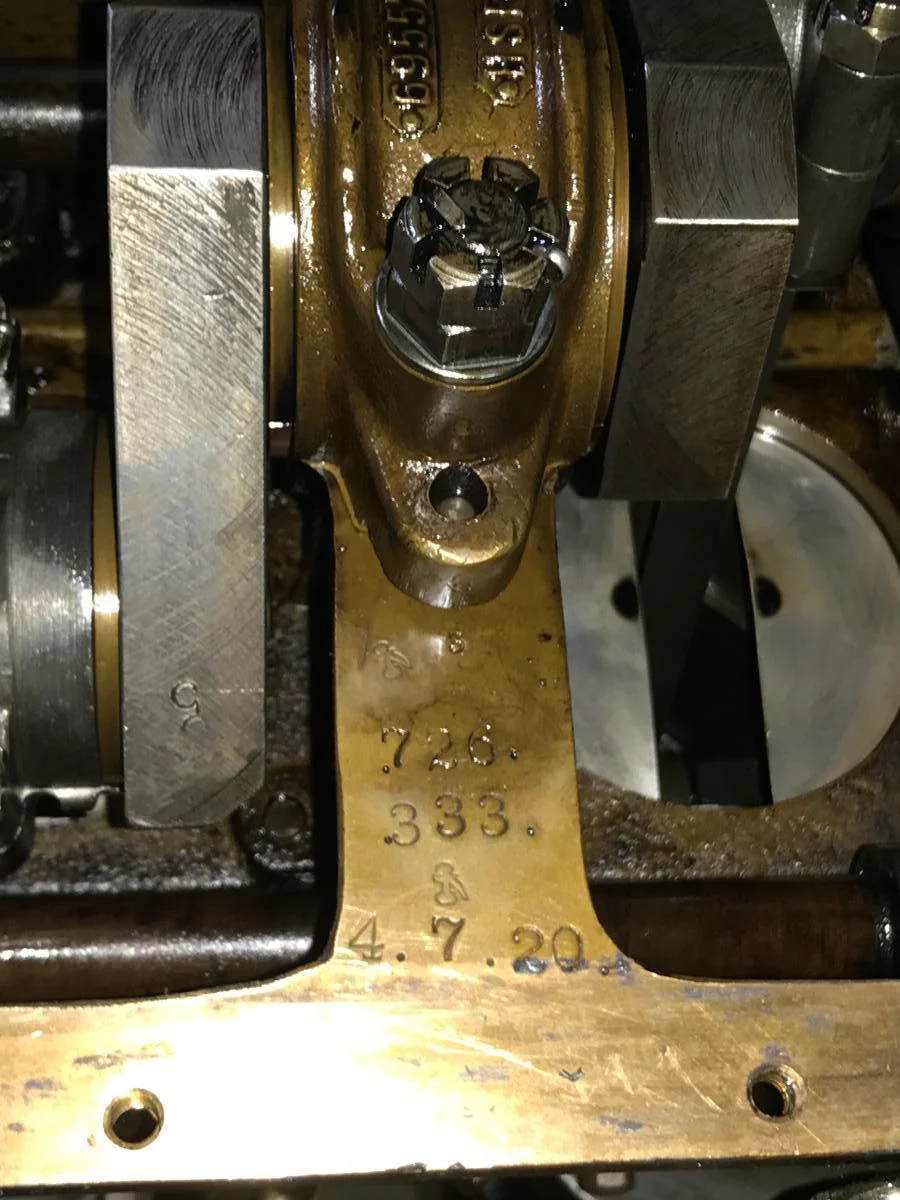
On another owner's car I found a date stamped into the crankcase, only visible when the oilpan is off. I assume this is the engine assembly finish date. On my 1921 model I was not able to find this manufacturing date information.
Here is an 38-48 engine related question. Are the cast aluminum valve covers the same between the 38 and 48?
Al
I wonder that the stamped image refers to that is located just above the date stamp?
Al
alsfarmsDec 22, 2021Very interesting numbers subject. It appears that the jugs on your 1917 were held in stock until needed or your engine was rebuilt at a later date using parts? What is your thinking? As I can I will check numbers on the 1925 Demarest Limousine.
Al
I hope to get the answer to this question when I take the oil pan off my Tourer. Right now there is no need for this.
I certainly agree, that question is nothing to loose sleep over.
Al
alsfarmsDec 22, 2021Here is an 38-48 engine related question. Are the cast aluminum valve covers the same between the 38 and 48?
Al
38 and 48 valve covers were most probably not the same size. Chris measured several dimensions of his 1917 model 38 and compared to my 1917 model 48, and everything is similar but smaller, shorter, slightly more narrow. Moreover, the calve covers were made individally to each engine, because they were stamped with the engine number and to which location they belong. No. 1 being the cylinder 1 inlet valve cover, number 12 being the cylinder 6 exhaust valve cover.
I assume they were made individually in order to reach the smalles possible tolerance because they shall be reasonably dust- and oil-tight without using any seal.
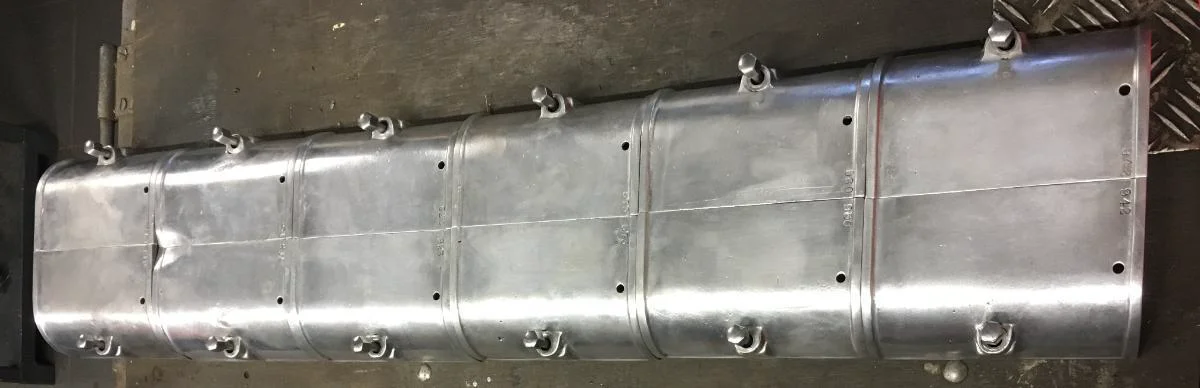
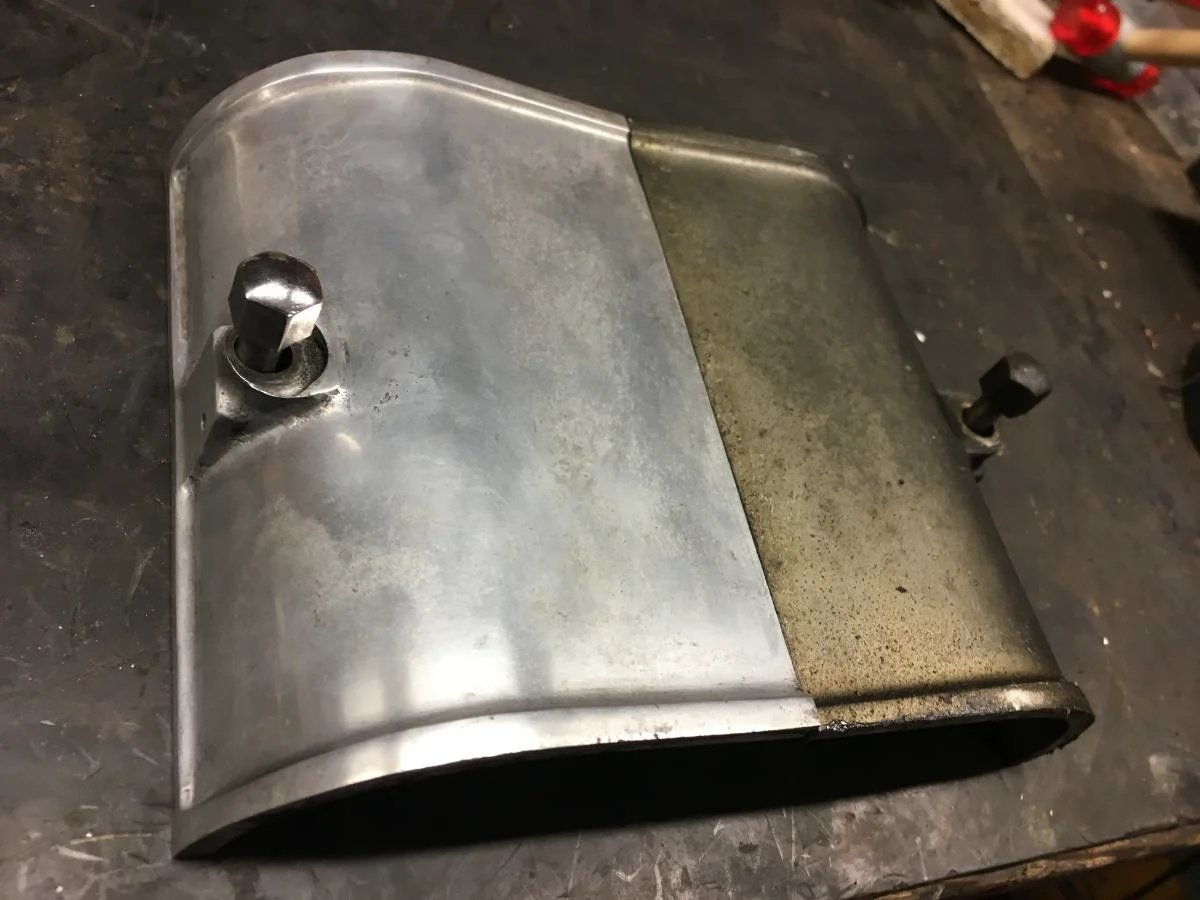
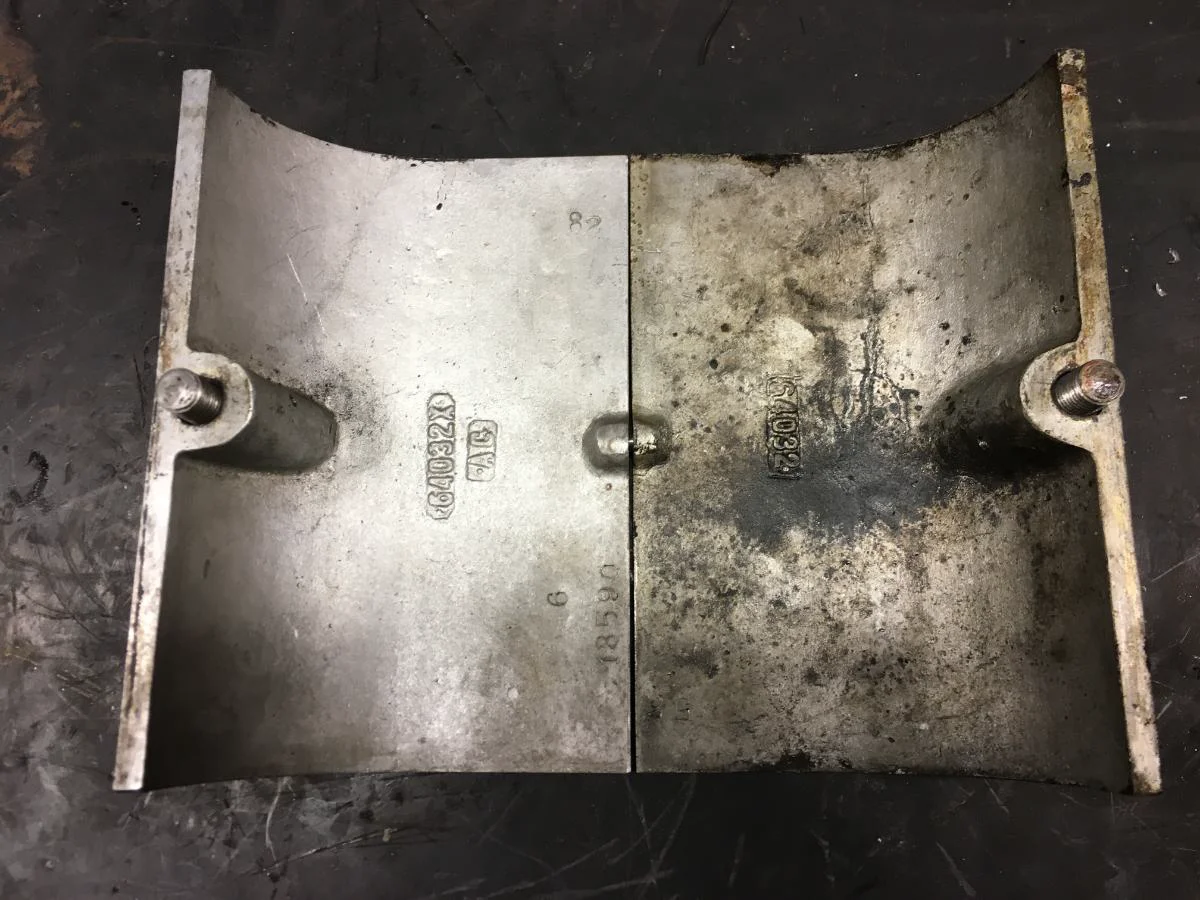
Upon further study of the valve cover castings...I unknowingly thought each cover was a single casting not made up of two pieces. The small center casting shown above must be an alignment pin. Frank, as you have been at this point on your 48's, do you take them off the engine as a pair or singly?
Al
alsfarmsDec 23, 2021Upon further study of the valve cover castings...I unknowingly thought each cover was a single casting not made up of two pieces. The small center casting shown above must be an alignment pin. Frank, as you have been at this point on your 48's, do you take them off the engine as a pair or singly?
Al
Undo both nuts (they are secured inside, cannot be lost), pull both as a set out a bit (two fingers can do, but take your time, they are made with a very close fit, easy to tilt), then separate them and get them out individually.
Please provide more information on the following statement. [Undo both nuts, they are secured inside, cannot be lost]. I am not sure how these "nuts" are secured so they can't be lost. Am I to assume that the threaded shank stays in the static position and the casting must be slid off those studs? I can see a future galvanic corrosion being an issue between two dissimilar metals and not being able to remove these covers very easily.
Al
alsfarmsDec 23, 2021Please provide more information on the following statement. [Undo both nuts (they are secured inside, cannot be lost]. I am not sure how these "nuts" are secured so they can't be lost. Am I to assume that the threaded shank stays in the static position and the casting must be slid off those studs?
Al
the shaft is much smaller then the thread, you can't pull the bolts out from the aluminium. The bolt can move quite freely in it's hole for easy alignment, but you can't get it out. I assume there is a little dowle pin somewhere close tho the shaft which stops the bolt from coming off. I didn't really search for it, just cleaned everything. The bolts seem to be nickel plated. You are right about the alignment pin and hole in the center.
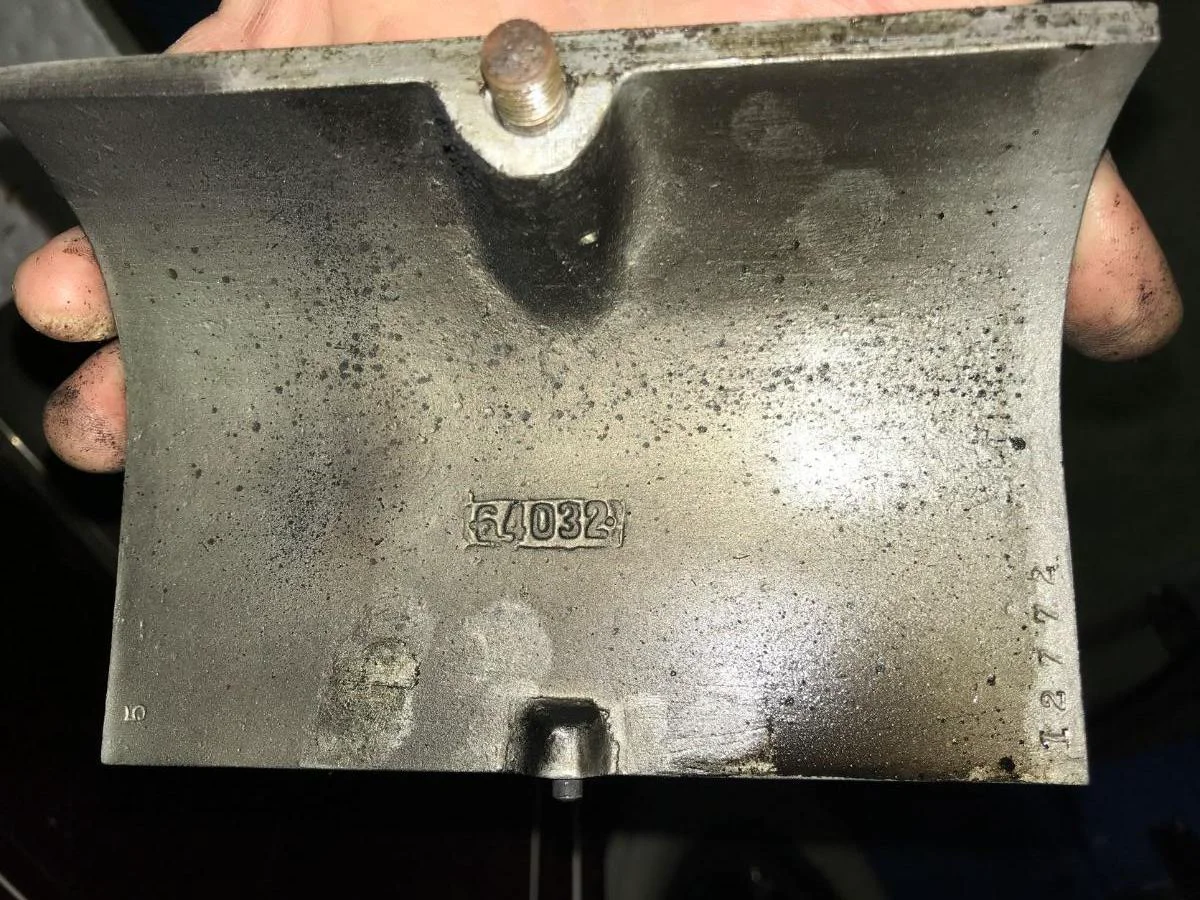
I am slow sometimes!!!! I studied the pictures and feel I have answered my own question. These aluminum valve covers are held on with a tall headed bolt. That would mean that as the bolt head is turned off to remove, the shank of the bolt breaks free off any bonding with the aluminum and the bolt can be slid out and also the valve cover. I might be slow but I am steady!!!! 🙂
Al
I can see from your picture a small hole drilled into the casting, inside. This must be for the locking pin to retain the shaft of the bolt. This is interesting. The Demarest Limousine does have the full set of valve covers however, I have a second project that I need to put a pair of valve cover castings on. I need to determine a proper means to replicate 4 valve covers.
Al
Frank, give me some insites on the pictures above that have the red cylinders on. Those are from your 1917 48? Your pictures of the crankcase nearly appears like they have been nickle plated. Is that a correct or incorrect assumption?
Al
alsfarmsDec 23, 2021Frank, give me some insites on the pictures above that have the red cylinders on. Those are from your 1917 48? Your pictures of the crankcase nearly appears like they have been nickle plated. Is that a correct or incorrect assumption?
Al
Yes, someone painted the engine red. Sooner or later I will correct that. My tourer is a M7 series two model 1917, parts are from 1915 and 1916 showing how slowly they produced. The crankcase is bronze as usual, but in some areas it seems to have a strange silver appearance, no idea what has been done to it. I have not started cleaning anything except the parts which I had taken apart (carburetor and intake manifold, starter and solenoid, valve covers, magneto, ignition switch, fuel pressure gauge and level indicator), the photos was taken before that.
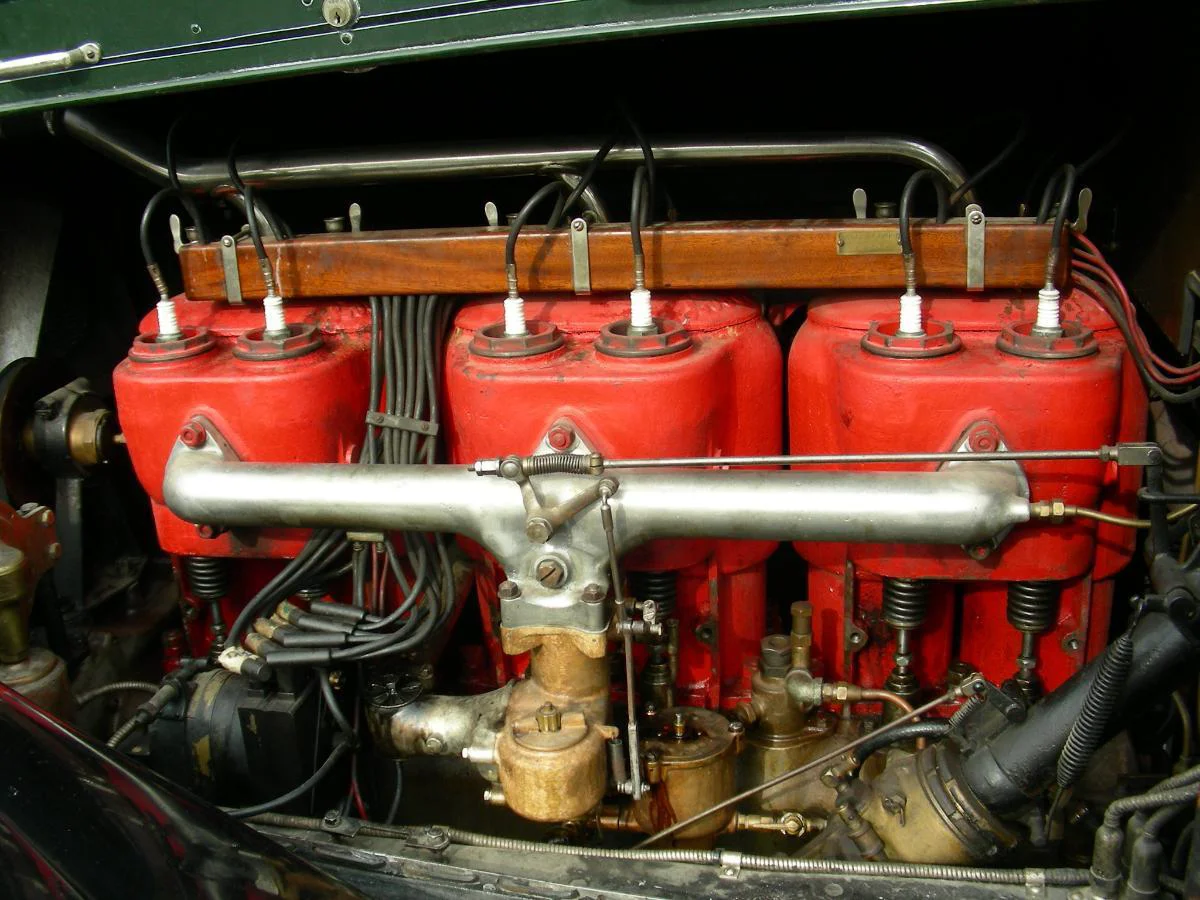
Here is a "tongue in cheek" comment. The red/orange Locomobile engine color looks very close to what would originally be on my 1957 Corvette engine! Do you see any design difference in carburetors on the 1917 and the 1921?
Al
alsfarmsDec 23, 2021Here is a "tongue in cheek" comment. The red/orange Locomobile engine color looks very close to what would originally be on my 1957 Corvette engine! Do you see any design difference in carburetors on the 1917 and the 1921?
Al
Yes, carburetors are similar at first view but very different internally. I will describe that soon, need to take measurements and more detailed photos first.
Is your magneto on the 1917 a Berling? Not sure of spelling.
To join in the conversation, you must be a club member.
You’re welcome to read and like every post. Members can reply and start topics of their own.